Why Reality-TV Interviews Often Match
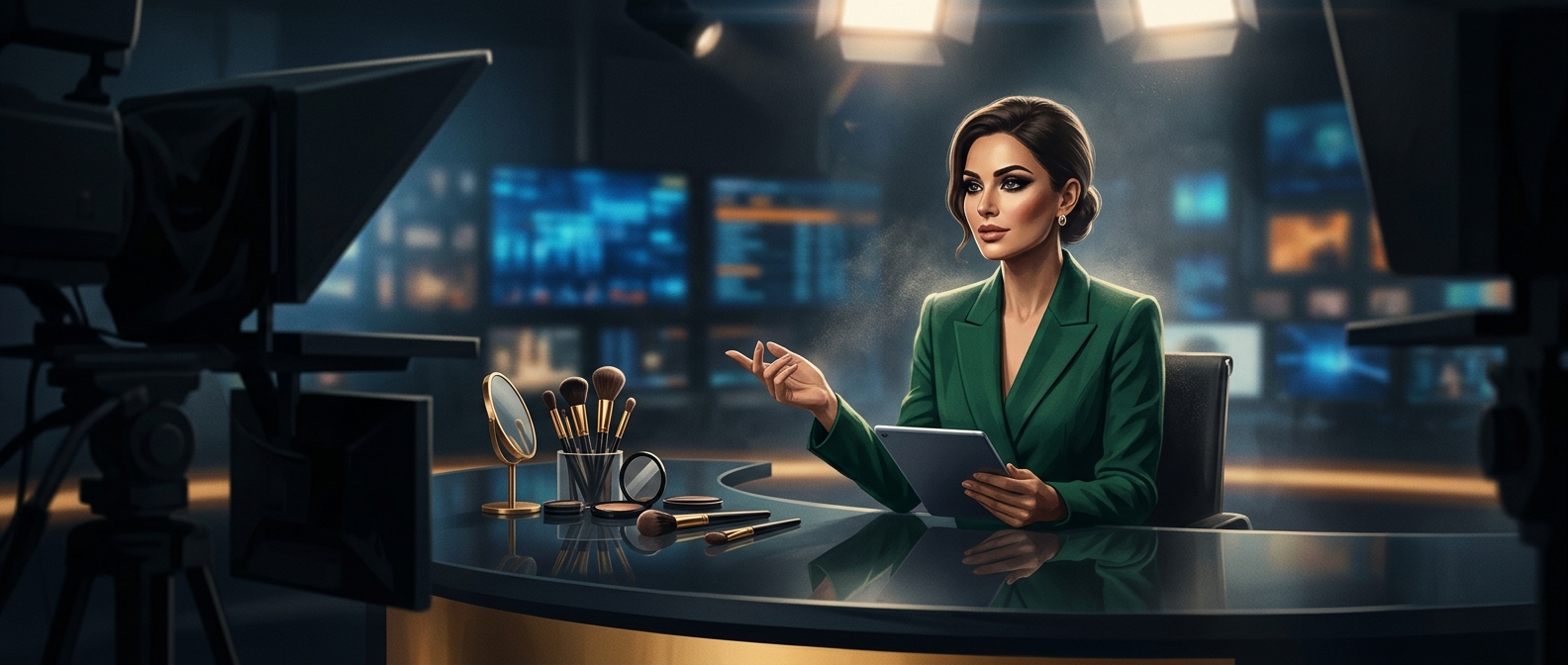
A contestant’s sit-down interview—often called a confessional—may look like one uninterrupted conversation, but it is commonly filmed in separate sessions. Producers can return to the person after an event, ask follow-up questions, or record answers to prompts that were not asked in the moment. The finished episode then weaves those comments around footage of the action.
If the star wears the same outfit for interviews meant to belong to the same stretch of the story, editors can cut between answers without a sudden change in clothing announcing that the camera session shifted. A different shirt, hairstyle, or accessory can make the edit feel like a jump to another day, even when the words flow smoothly.
Wardrobe Is an Editing Tool
Matching clothes give editors flexibility. They can combine a short reaction recorded later with an earlier answer, trim pauses, or rearrange comments to clarify a scene—all while making the interview appear visually consistent. The outfit does not make the statements contemporaneous; it simply helps the cut feel seamless.
That is why production teams may ask cast members to keep an interview look, or preserve the same outfit across sessions intended to be edited together. It is a continuity choice, much like keeping a prop in the same place between takes. It is not a universal rule: a deliberate wardrobe change can also help distinguish a new interview period or chapter.
The practical result is that a person can seem to be reacting to events in one flowing conversation even though the answers were gathered at different times. The familiar outfit is often the small visual clue that lets the edit hide that gap.