Why a Movie Gets a Longer Cut
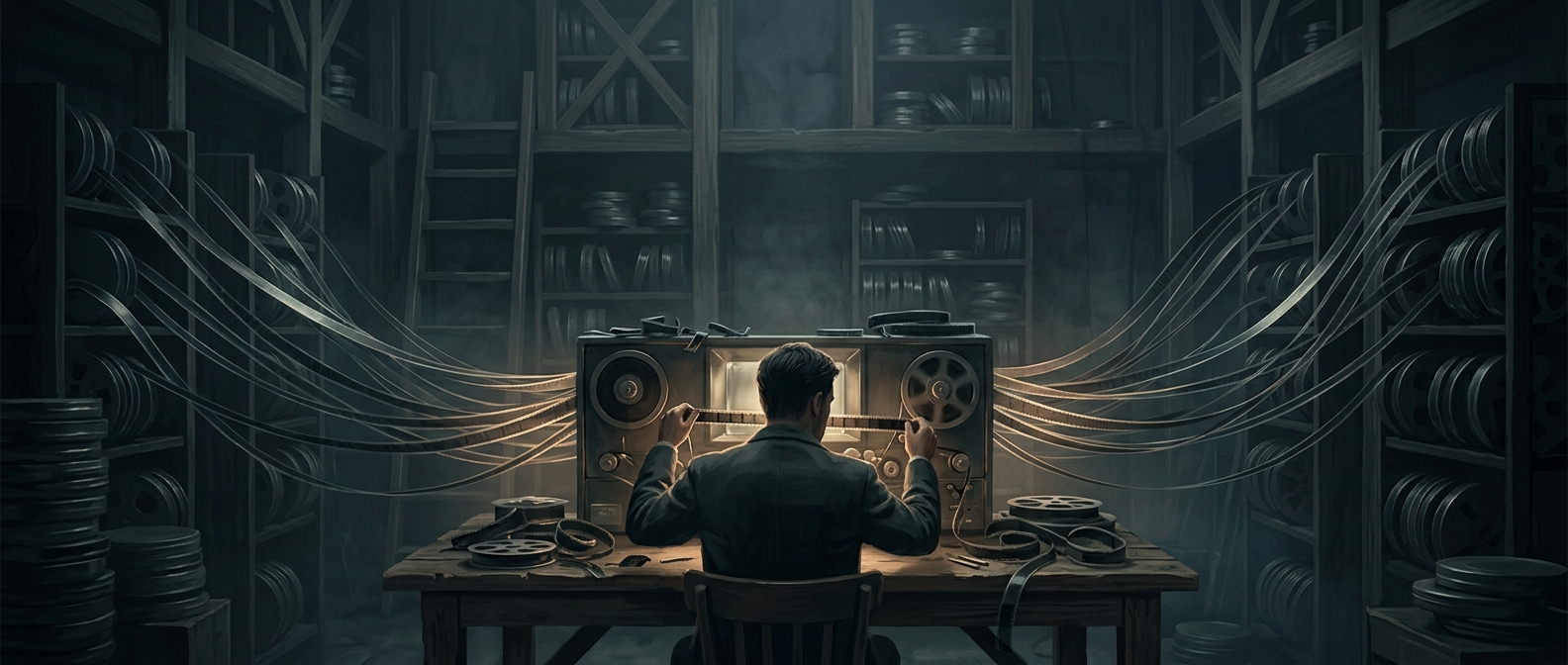
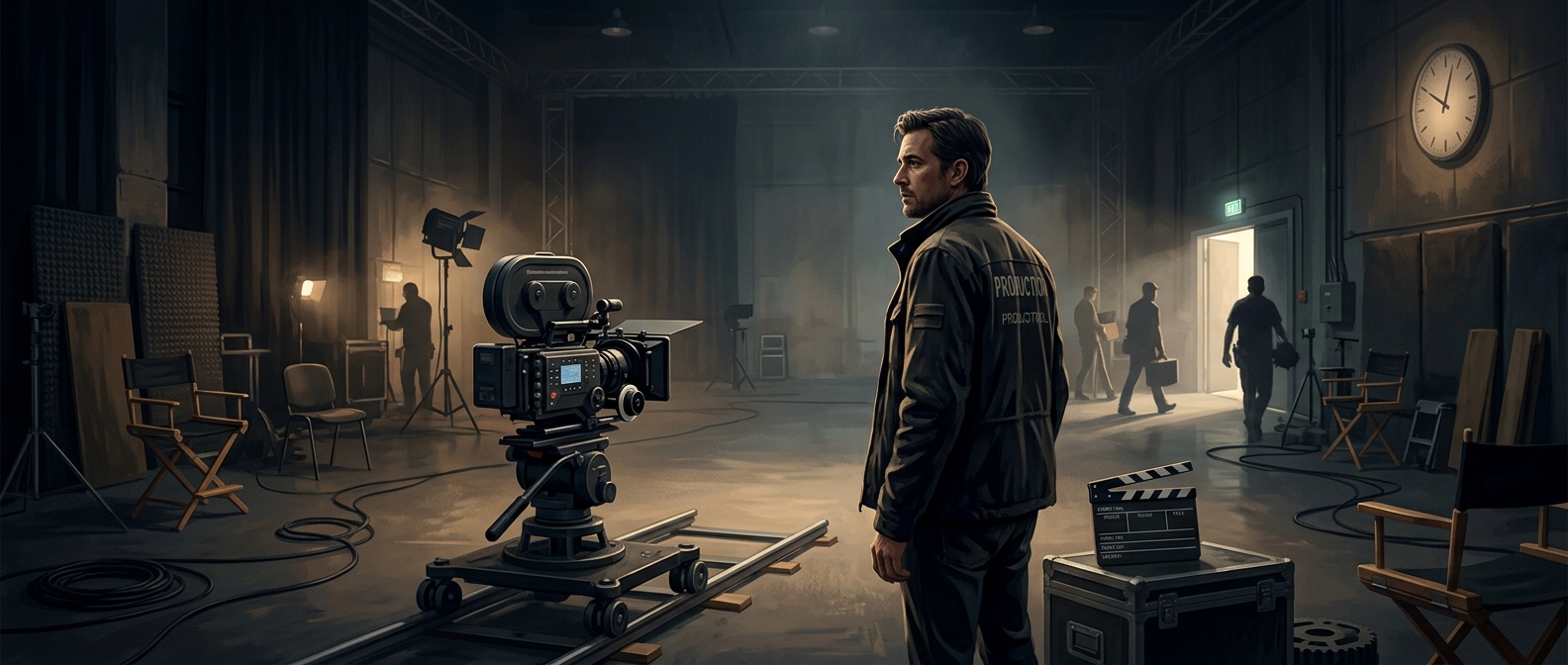
A theatrical release has to fit the practical limits of cinema programming: theaters need time between screenings, and distributors want a film that audiences can watch in one sitting. During editing, scenes may be shortened or removed to meet a target length, sharpen the pace, or respond to studio concerns about clarity and appeal. A director’s cut can put some of that material back, turning an edit shaped partly by those constraints into a longer version closer to the director’s preferred one.
Restored Footage Changes the Rhythm
The added minutes are not always a single missing subplot. They may be spread across scenes: a longer conversation, extra setup before a major event, or moments that give a supporting character more room. Those additions can make motivations easier to follow or deepen the atmosphere, but they also change the film’s pace. A scene that feels rich in a home viewing may have been removed because it slowed the theatrical version.
That is why a director’s cut is not automatically a better cut. More footage can clarify a story, but it can also repeat information or weaken momentum. The difference depends on what the restored scenes do—and on whether the viewer values briskness or extra context.
“Director’s Cut” Is Not One Fixed Recipe
The label does not guarantee that every added scene was personally chosen by the director, or that the version represents a single definitive vision. The term is used for different kinds of alternate edits, sometimes assembled later from available footage and production materials. The changes can be small, or substantial enough to add around 40 minutes.
In practice, the longer version lets viewers see a tradeoff that the theatrical edit hides: a film can gain detail while losing speed. The extra runtime is not merely more story; it is a different balance between explanation, mood, and momentum.