A rough cut tests the story’s shape
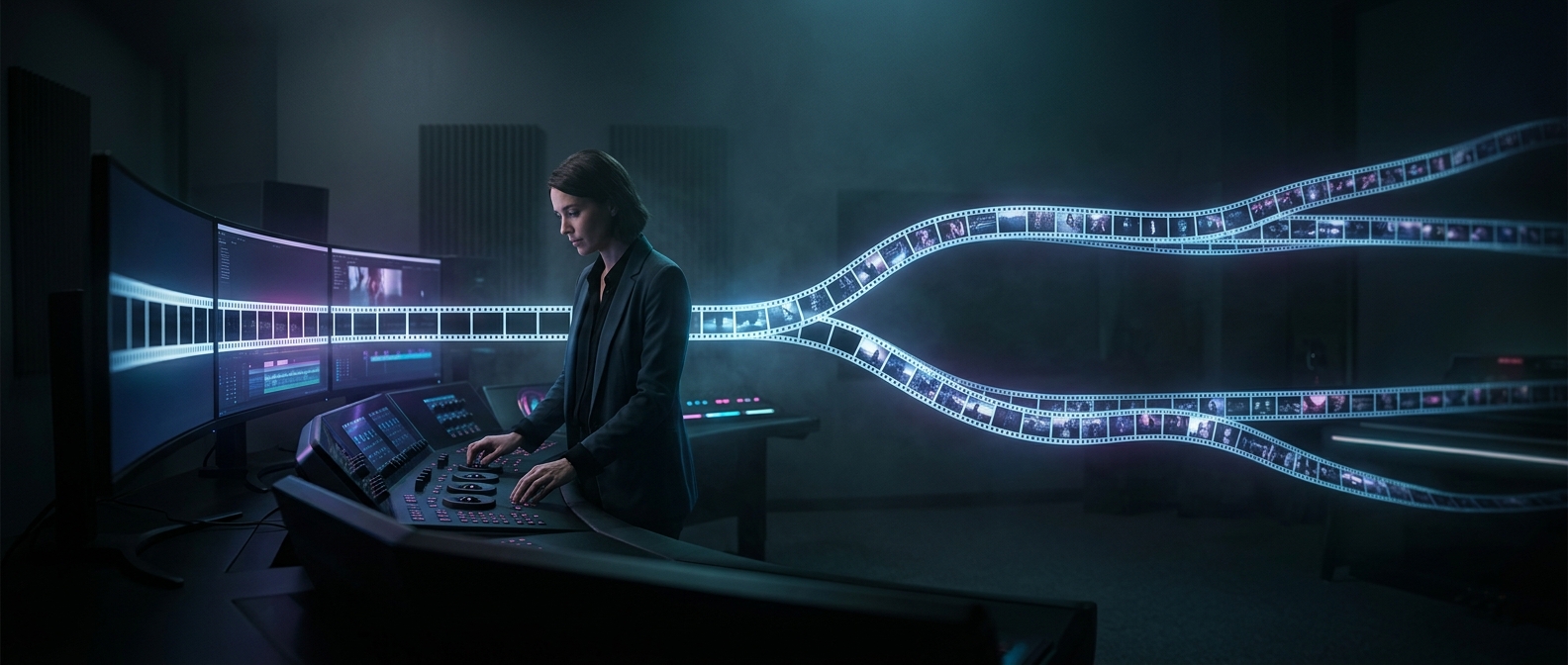
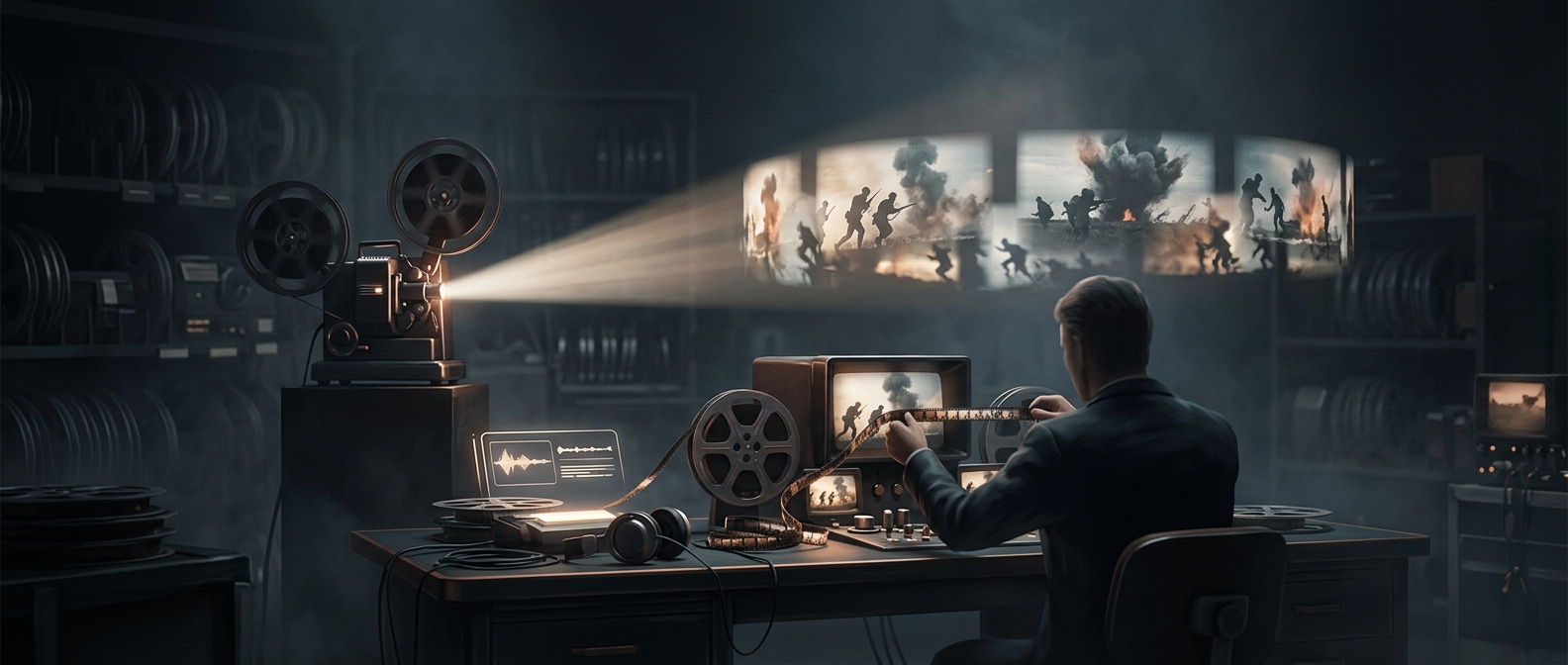
A rough cut is an early version of a film or video made by placing selected shots in sequence. It gives the editor and director a chance to watch the material as a story rather than as separate takes. At this stage, the order and basic structure matter more than a seamless viewing experience.
The sequence may still contain long pauses, temporary sound, or shots that do not yet connect smoothly. Those gaps can be useful: they reveal whether a scene earns its place and whether the story makes sense without the polish of finished sound and image.
Why editors make big decisions early
Polishing a scene takes time, so editors first need to know whether it belongs. In a rough cut, they can compare different takes, move scenes around, or remove material and see what changes. A scene that seems compelling on its own may slow the larger story; a brief reaction shot may make a character’s choice easier to understand.
This is also when structural problems are cheaper to fix. If a key moment arrives too early or a motivation is unclear, the team can reshape the sequence before spending effort refining transitions, sound, and color.
The unfinished version is a working tool
A rough cut is not simply a less attractive final cut. It is a way to test what the footage can communicate and identify what is missing. Once the sequence works, later editing can tighten timing and make the viewing experience feel continuous. Its roughness helps keep attention on the decisions that determine whether the story works at all.