How Dating Shows Put Romance on Fast-Forward
Dating shows cannot make contestants fall in love on command. They can, however, build a setting that makes attraction and emotional attachment more likely to develop quickly: repeated one-on-one dates, long stretches together, and few distractions from ordinary life.
In everyday dating, work, friends, errands, and weeks of routine interrupt the process. A show compresses that calendar. Contestants may spend far more time focused on one another than they would on a typical early date, while the format keeps bringing them back together. Each conversation can feel like a major step because the next decision—another date, a commitment, or an elimination—is close at hand.
Why the Pressure Matters
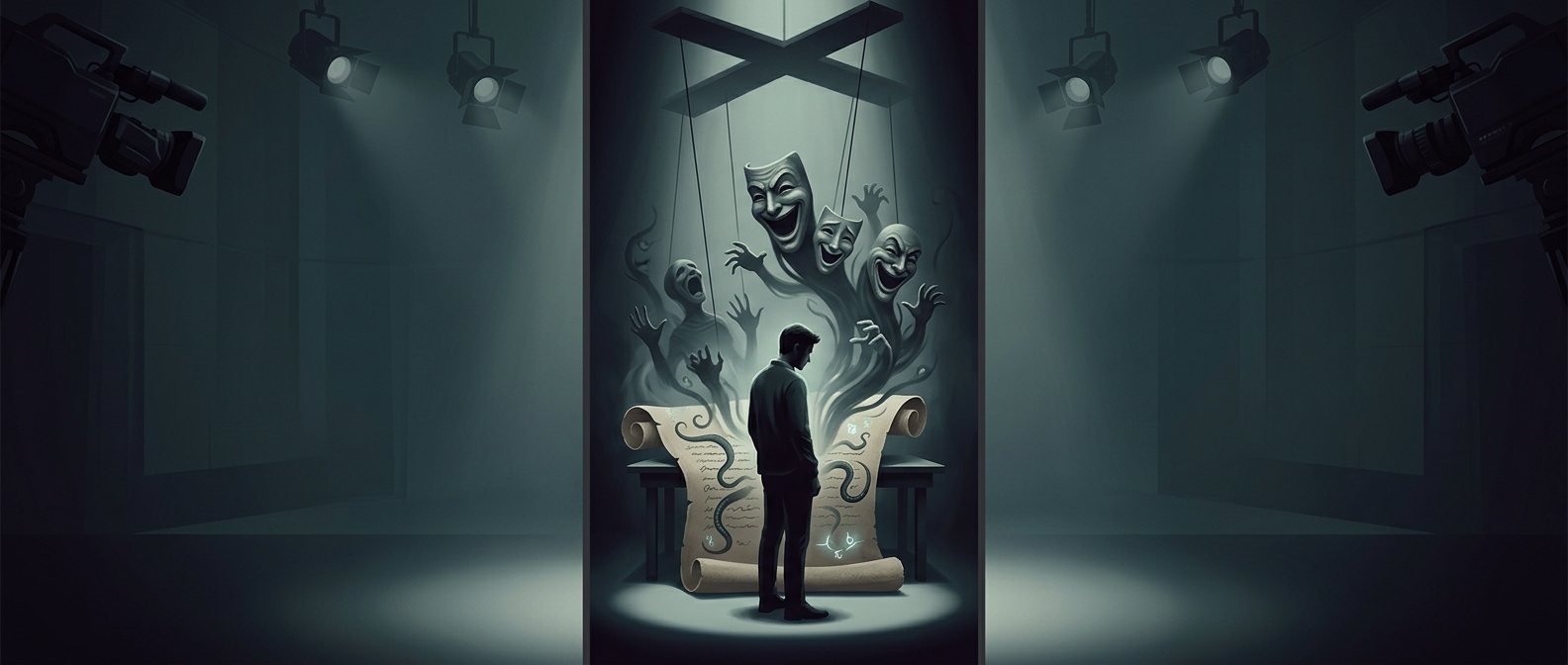
The show’s structure gives ordinary interactions unusually high stakes. A private conversation can influence who stays, and a rival’s date can make a connection feel urgent. This is a form of situational pressure: the environment encourages contestants to treat a new relationship as the central event in their lives, at least while filming.
Confessionals and producer-arranged dates also shape what viewers see. They highlight emotional turning points and leave out much of the waiting and repetition, making a short period appear especially intense. That storytelling can make rapid romance seem smoother and more inevitable than it feels to the people experiencing it.
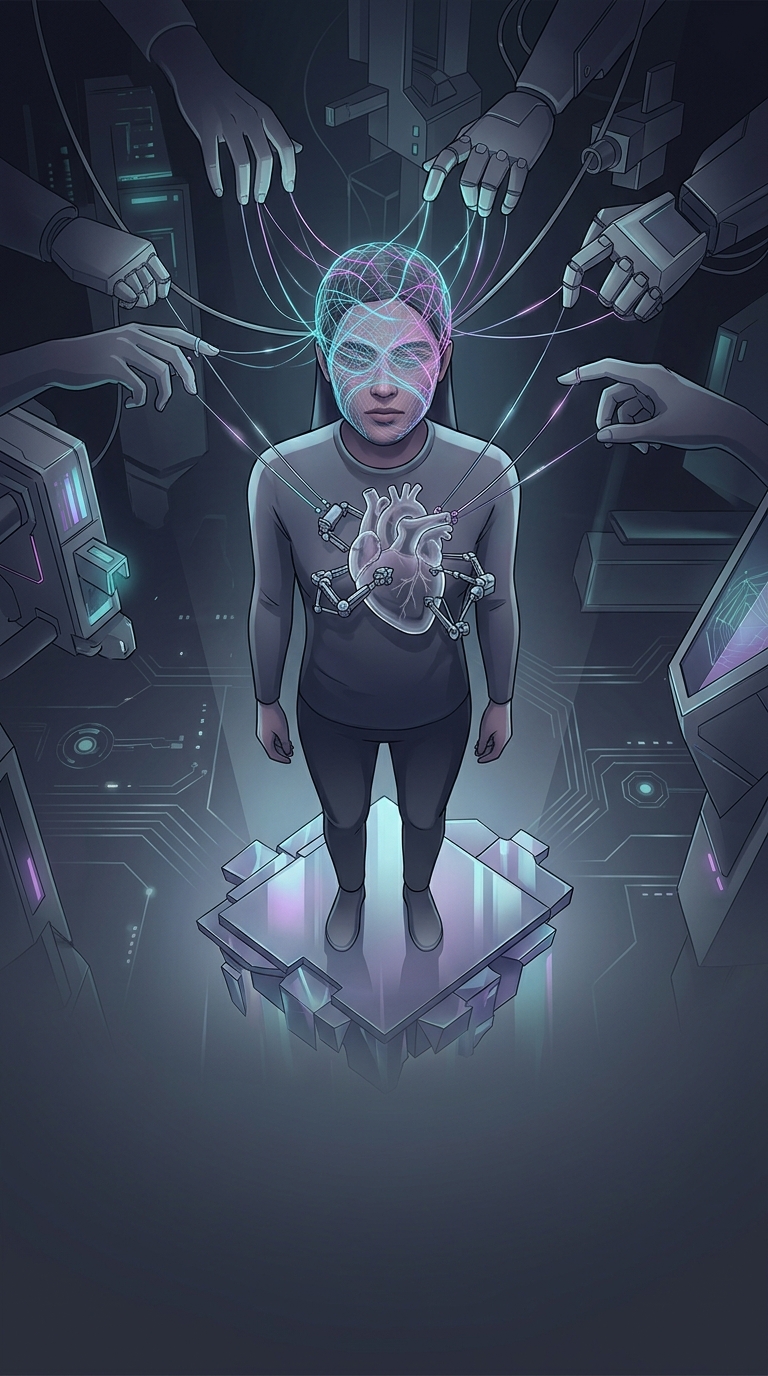
The tactic, then, is not a secret trick that guarantees love. It is time compression plus isolation from normal routines, reinforced by competition and a deadline. The result may be a real connection—but it begins under conditions that are very different from dating outside the show.