How an edit can reshape a person on screen
Reality television records real people, but the finished story is constructed in the edit. Producers choose which moments to include, where to cut, and how to arrange reactions. A pause can seem like coldness; a joke separated from its setup can sound cruel. Music, captions, and other participants’ comments can further steer how viewers read the same footage.
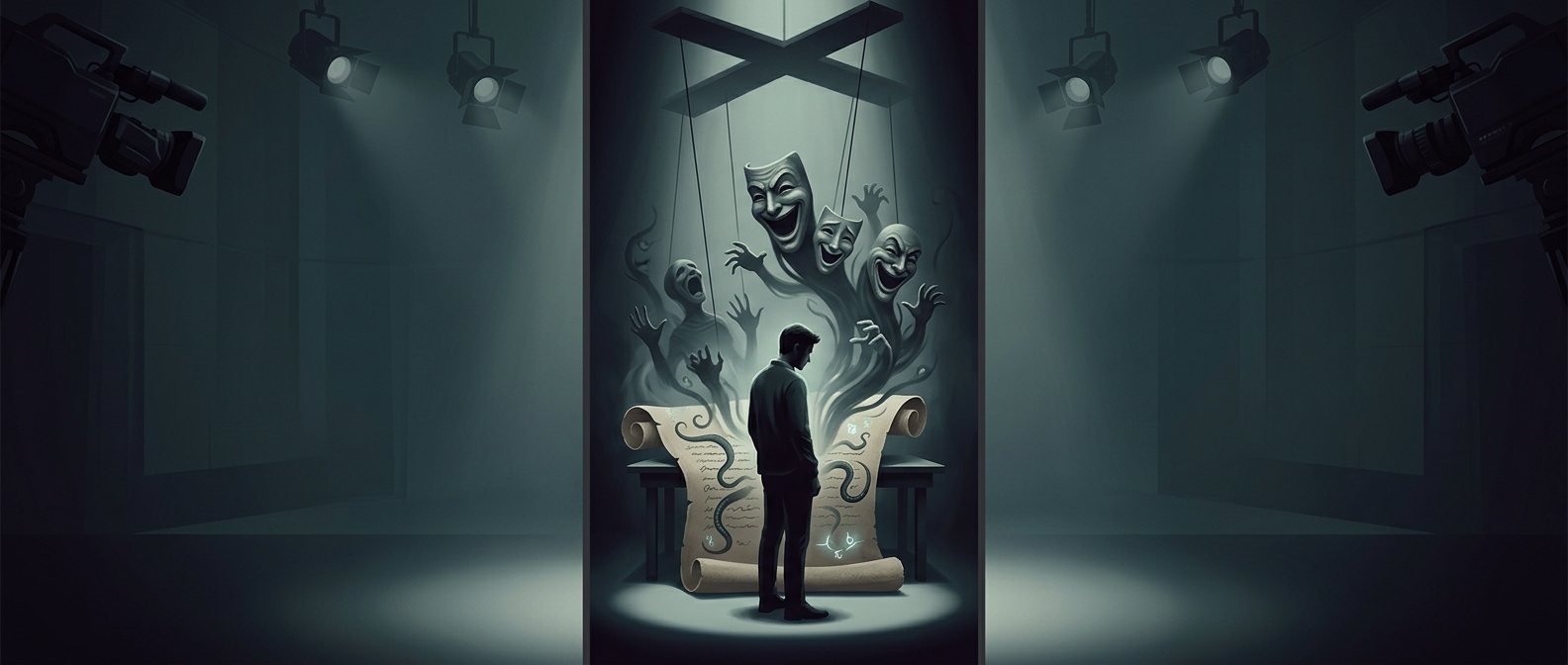
Some participant contracts give a network or production company broad control over that process. They may permit footage to be edited or presented in ways that make a participant look foolish, unstable, or otherwise unlike the person they believe they were on set. The contract does not change the participant’s actual personality; it can shape the version audiences encounter.
Why signing can limit a participant’s options
A participant may also agree not to sue over certain kinds of portrayal. Such terms can make it harder to challenge an unflattering depiction later, even when the participant feels the edit is misleading. In practical terms, the production company gets room to turn hours of unscripted material into a coherent, dramatic story, while the person on screen may have limited control over the final cut.
That does not mean every reality-TV contract contains the same language, or that every waiver would settle every possible dispute. The wording and applicable law matter. But the imbalance is consequential: producers control the edit, and participants may have agreed in advance to accept a wide range of portrayals.
For viewers, the result is worth remembering: a convincing on-screen “personality” may be less a complete portrait than a character assembled from selected moments.