Why Producers Put a Ceiling on Drinks
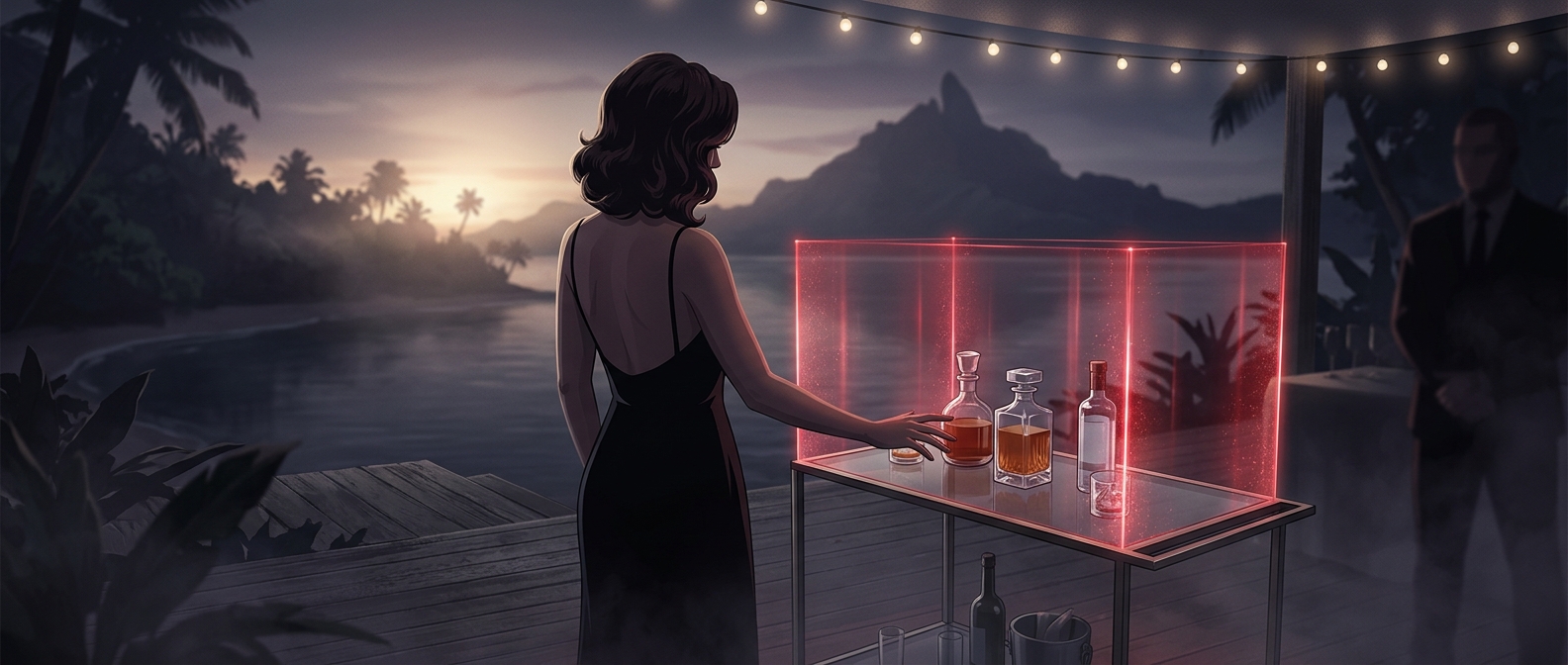
On a reality-show set, alcohol is not just a personal choice; it is also a production risk. Cast members are being filmed while living and socializing in close quarters, and a serious fall, fight, or medical emergency can disrupt filming and expose the production to liability. Limiting the amount—and strength—of alcohol helps reduce the chance that drinking will lead to unsafe behavior.
The limit also shapes what viewers see. A tense argument may look like a drunken blowup, but alcohol is only one possible influence. Fatigue can weaken patience and self-control, while dehydration can leave someone feeling physically worse and less able to cope with stress. Those factors can make an already strained interaction erupt even when cast members have had little to drink.
The Setting Still Matters
A two-drink cap does not make every conflict easy to explain, nor does it mean alcohol has no effect. It means the familiar image of a heavily intoxicated reality-TV cast is not necessarily what is happening behind a dramatic scene. Producers are managing a balance: allowing enough social drinking to feel natural on camera while keeping the risks of impairment within bounds.
That tradeoff can make the footage more misleading than it first appears: the argument is visible, but the mix of stress, tiredness, and physical discomfort behind it is not.