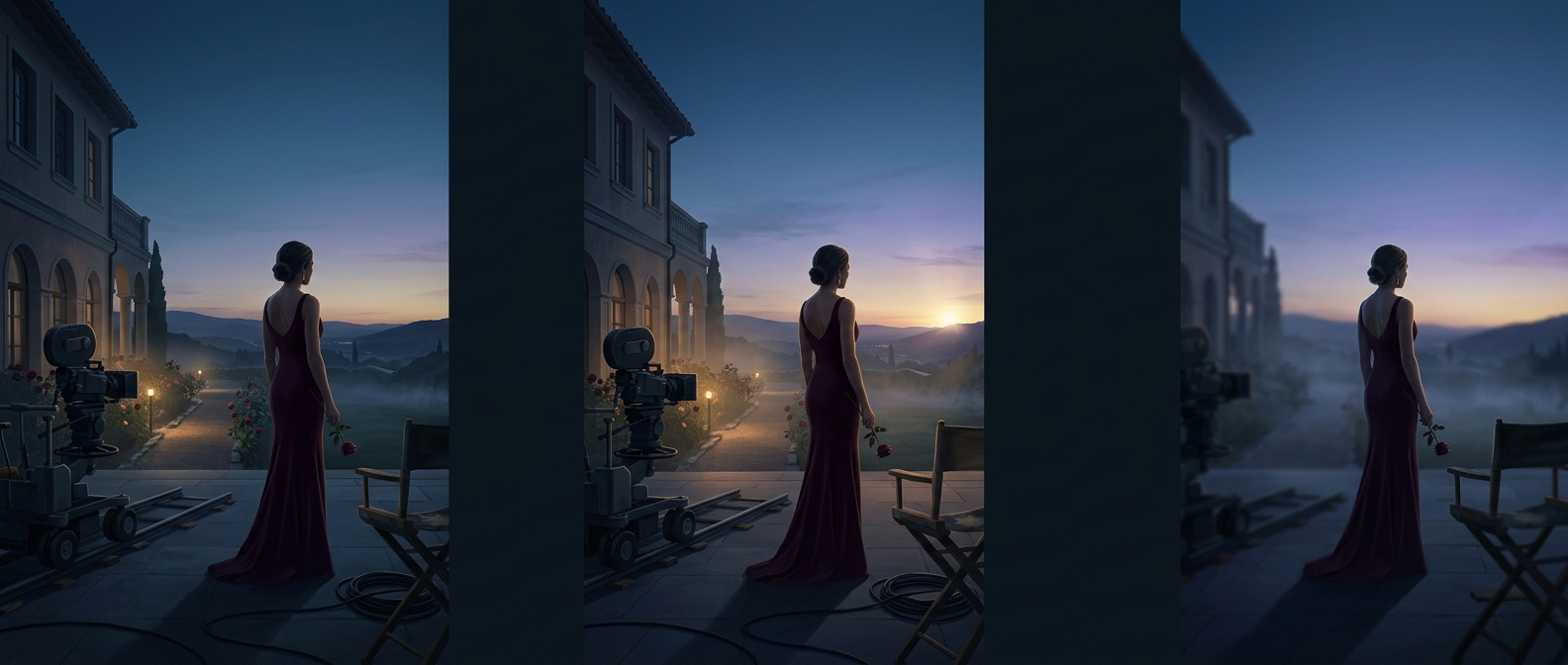
Why a Rose Ceremony Takes So Long to Film
A televised elimination can feel like a quick sequence: a name is called, a rose is accepted or refused, and the next person steps forward. On set, each moment has to be captured in a form that can be shaped into that clean sequence later. The ceremony can stretch to ten hours because the production is filming the event, not simply recording one uninterrupted view of it.
The pauses are part of the coverage
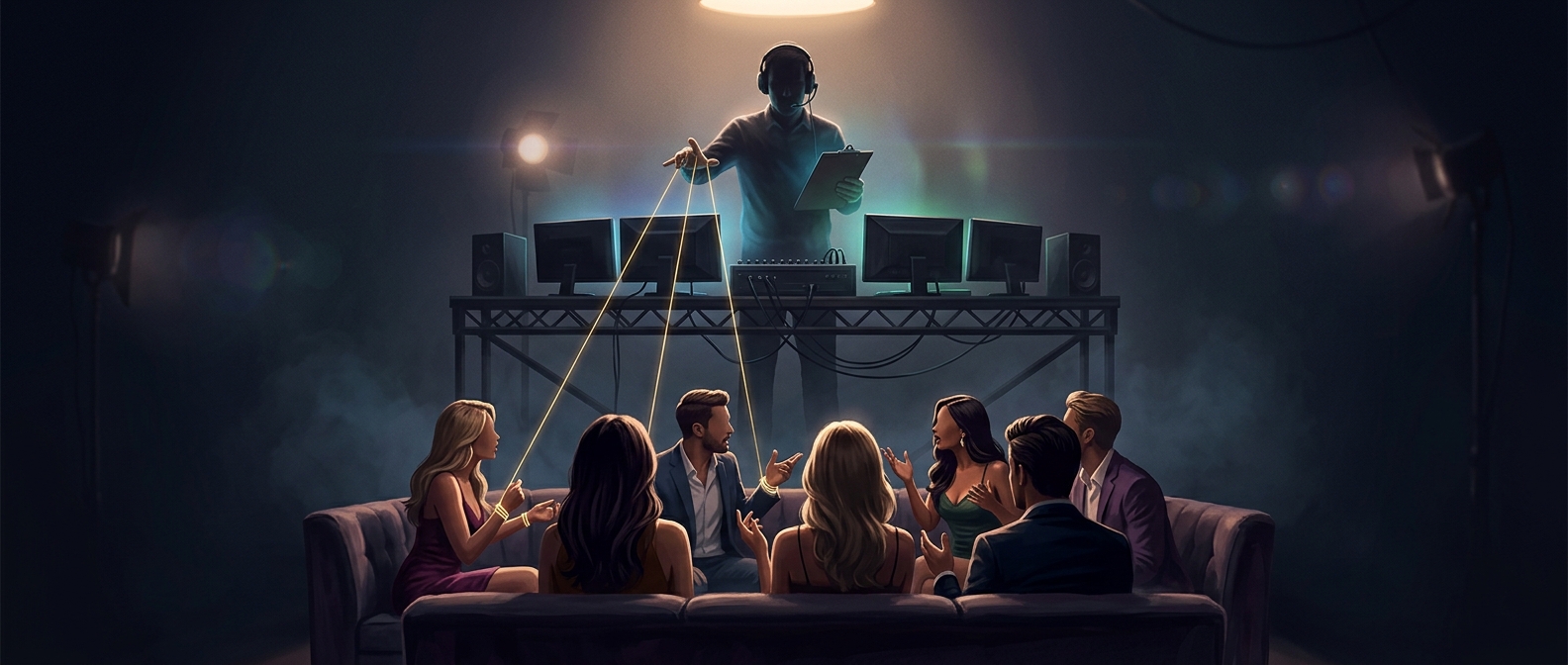
A camera setup is a particular arrangement for filming a shot. To make the ceremony work on screen, producers need usable views of the person speaking, the person receiving the rose, and the people waiting and reacting. Moving or redirecting cameras takes time, and the action may have to pause until the next view is ready.
Those pauses also leave room for reactions that the broadcast can use to convey tension. A long wait on set may become only a few seconds on screen—or disappear entirely. The finished episode compresses the ceremony by selecting and arranging footage, while the filming has to allow time to gather it.
A brisk edit, a slow process
That difference between the pace of the story and the pace of production is what makes the ceremony’s runtime surprising. Viewers see a sequence edited for momentum; the people filming must wait through setups and gaps between moments. The rose may be handed over in seconds, but capturing the angles that make those seconds legible can take much longer.