A familiar video becomes a social event
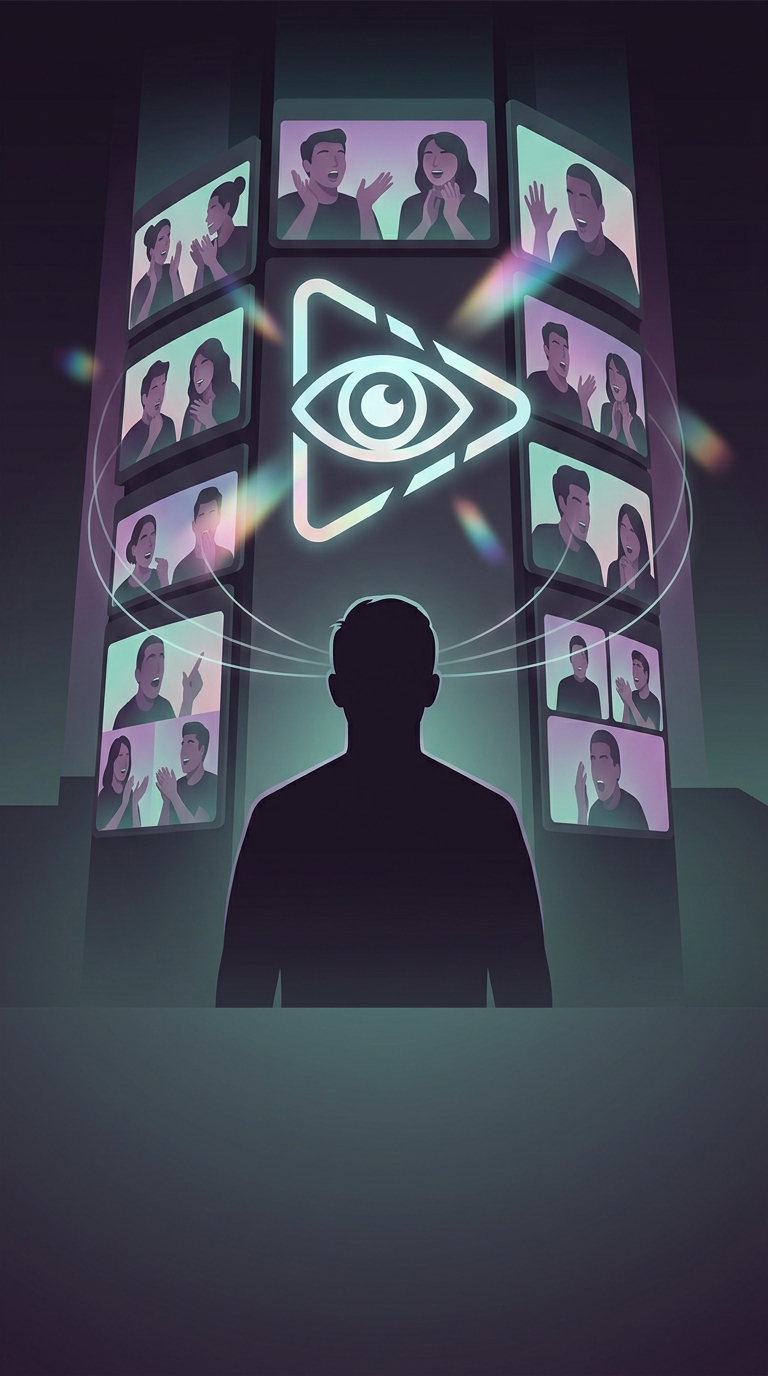
Watching a clip alone gives you its images and sounds. Watching someone react to it adds another stream of information: their anticipation, surprise, laughter, or discomfort. You are not only revisiting the clip; you are seeing how another person experiences it, moment by moment.
That makes a reaction video a kind of shared attention. The creator acts like a companion sitting beside you, directing your focus toward a detail and giving you a cue for how it might feel. A gasp can make a reveal land harder; a laugh can make an awkward moment feel easier to enjoy.
Familiarity makes the format easy to enter
Because viewers already know the original clip, they do not have to spend much effort figuring out what is happening. Their attention can shift to the creator’s expressions, commentary, and interpretations—or to noticing whether their own response matches. The known video provides a dependable structure; the reaction supplies the variation.
Creators also shape the experience through pacing. They may pause before a reveal, rewind a brief moment, or explain what they noticed. Those choices turn a short clip into a small performance, with suspense and payoff even when the source material is familiar.
The appeal is partly the person watching
Over time, viewers learn a creator’s tastes and mannerisms. That familiarity can make the reaction itself the attraction: people return to see how this particular person responds, not simply to watch the clip again. The format combines recognition with novelty—the same footage, filtered through a different personality.
It is less a replacement for the original video than a way to experience it in company. A clip you have already seen can feel newly entertaining when someone else’s reaction gives you a fresh cue for where to look, what to feel, or what to laugh about.