A daydream you can sort
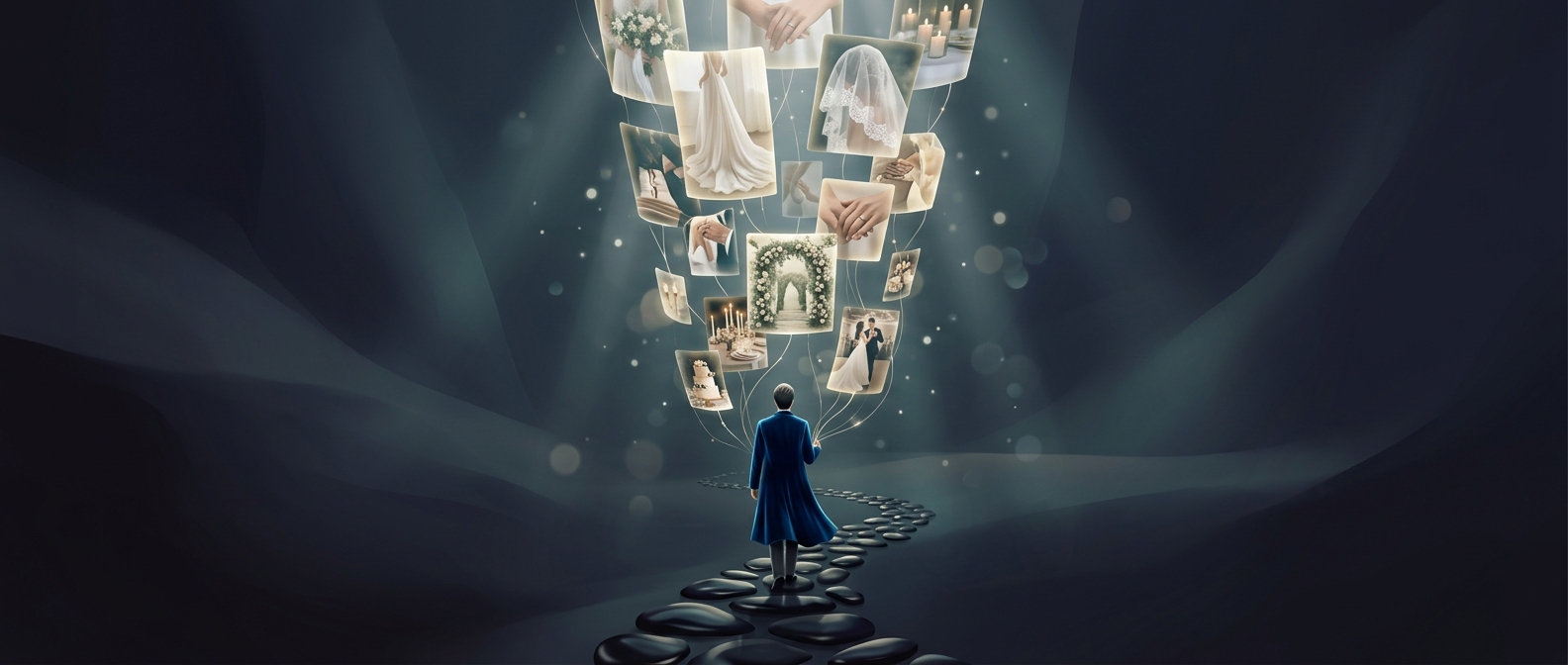
A daydream usually arrives as a loose sequence: a room you like, a dress, a garden, a color scheme. Pinterest gives those fragments somewhere to go. A person can save images as “Pins” and group them on themed boards, turning scattered visual impulses into collections that can be revisited and rearranged.
That structure changes the experience. Instead of having to describe an imagined house or wedding in words, someone can collect examples that show what they mean. A board can hold mismatched possibilities side by side—different kitchens, bouquets, or table settings—without requiring a decision about which one is realistic or final.
Planning without a plan
The act of organizing can feel practical even when the imagined project is remote. Naming a board, sorting images, and noticing repeated colors or styles gives a fantasy a little shape. The user is not necessarily making a budget or committing to a purchase; they are exploring what appeals to them.
That makes Pinterest different from a daydream that disappears as soon as attention shifts. The collection persists, and each new image can refine or complicate the imagined scene. The pleasure lies partly in making possibility visible and orderly, without having to make it happen. A board can be both a design exercise and a record of a life someone is only imagining.