A gesture turns a glance into an action
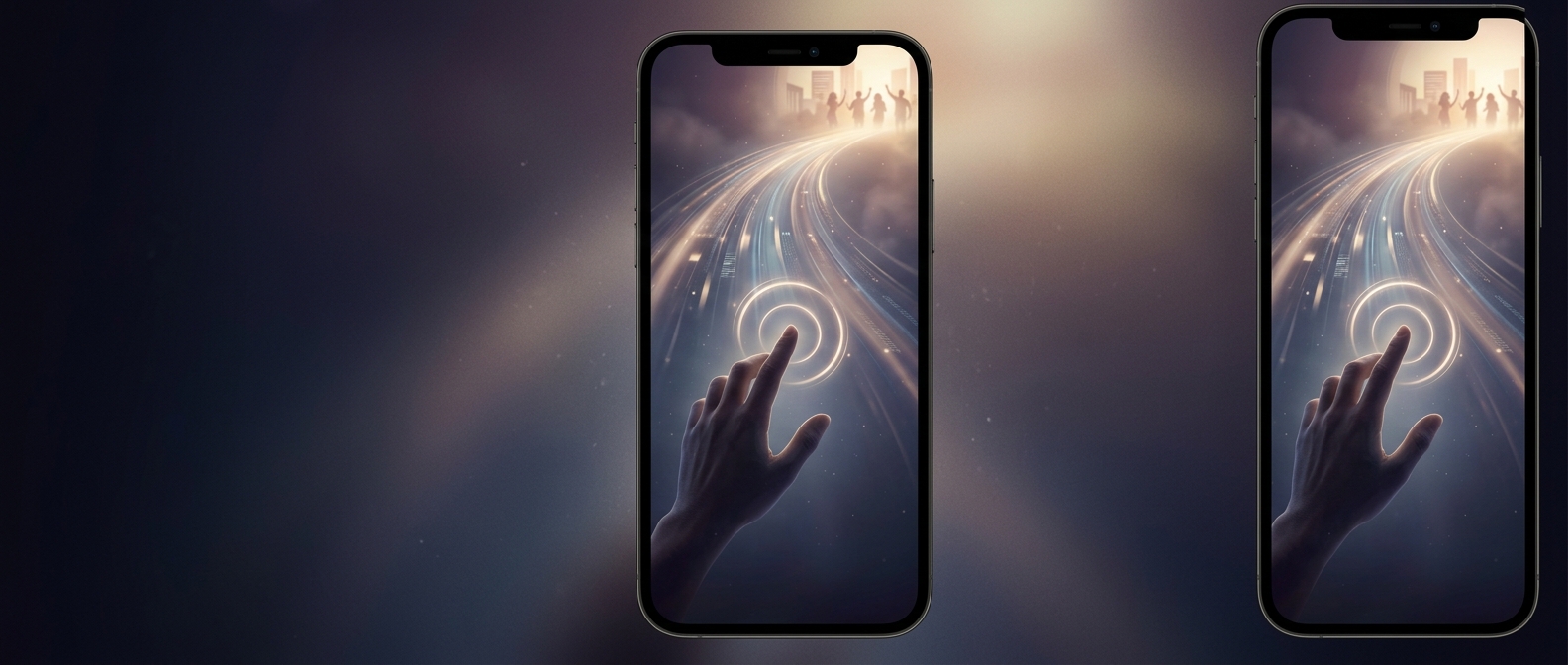
A photo can hold someone’s attention for only a moment. If liking it required shifting a thumb to a small on-screen button, that extra movement and visual aim would add friction to a casual response. A double-tap makes the image itself the control: the viewer can react where their attention already is.
Why the shortcut feels quick
The app recognizes two taps close together as one deliberate gesture. That is different from treating every tap as a like, which would make ordinary actions—such as opening or inspecting a photo—too easy to misread. The gesture lets one area of the screen serve two purposes: viewing the image and responding to it.
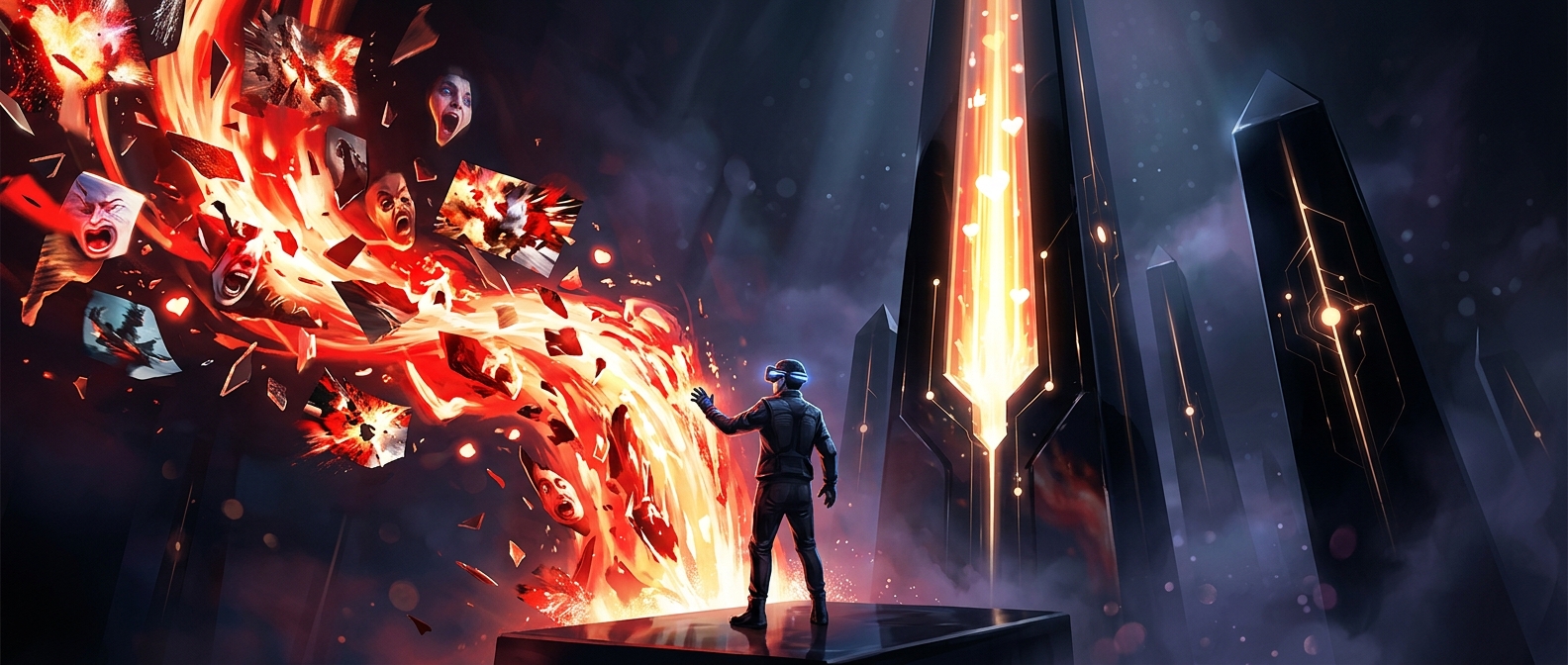
A visible response, often a brief heart animation, matters too. It confirms that the app registered the gesture, so users do not have to look around for a button changing state. The feedback closes the loop between action and result.
Convenience has a tradeoff
A gesture can be faster than a button, but it is less discoverable: a new user may not know it exists. And because the image is the target, a double-tap can sometimes register when someone meant only to interact with the picture. Apps therefore often keep the visible like control as an alternative.
The design’s small advantage is cumulative. When reacting takes almost no aiming or navigation, people can respond without breaking the flow of browsing.