Why one more swipe rarely feels like a decision
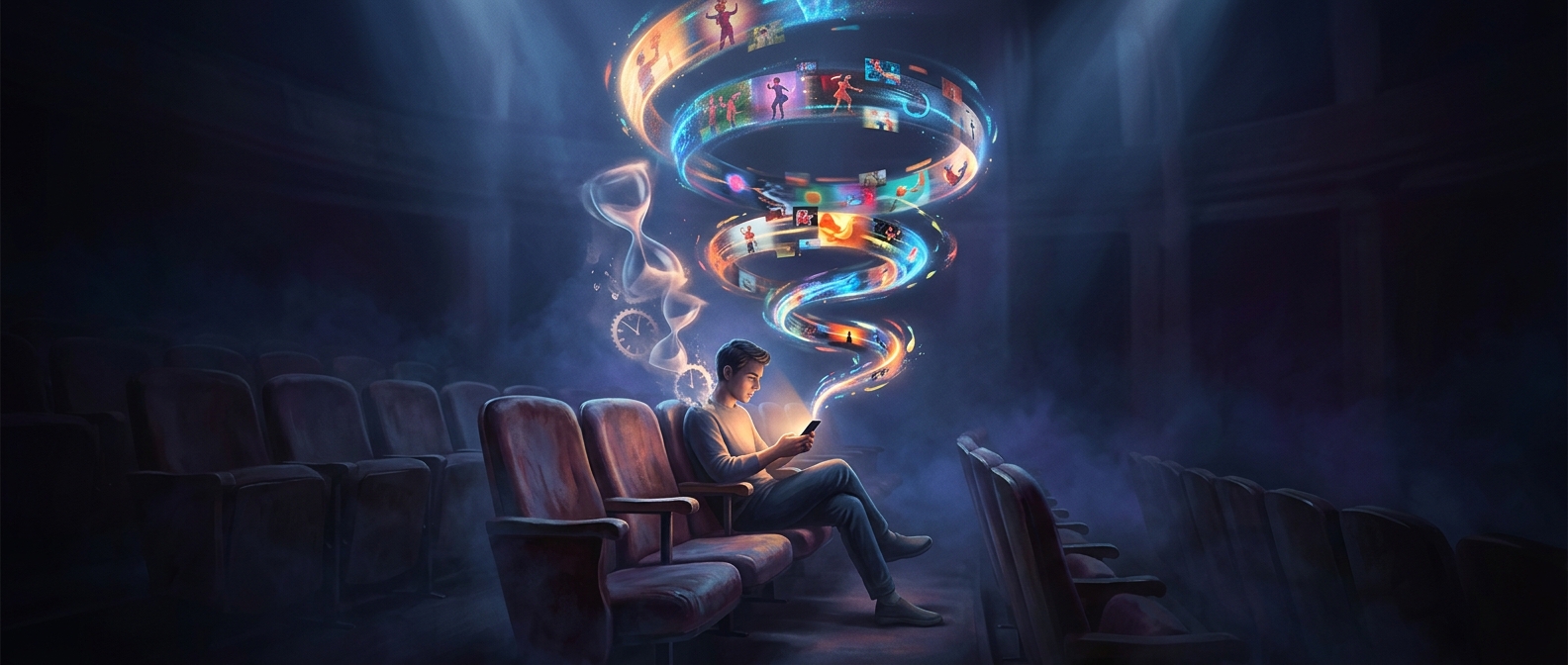
Short-video feeds make viewing feel less like choosing a program and more like sampling an endless stream. A swipe replaces the current clip almost instantly, while autoplay or looping keeps the next moment close at hand. There is no episode list to finish and no natural pause that asks, “Are you done?” Each clip ends, but the feed itself does not.
That changes the effort required to continue. Stopping means interrupting the stream; continuing takes only a thumb movement—or none at all. When the cost of another minute is barely noticeable, small extensions can accumulate into a substantial stretch of viewing.
The next clip is uncertain; the next swipe is easy
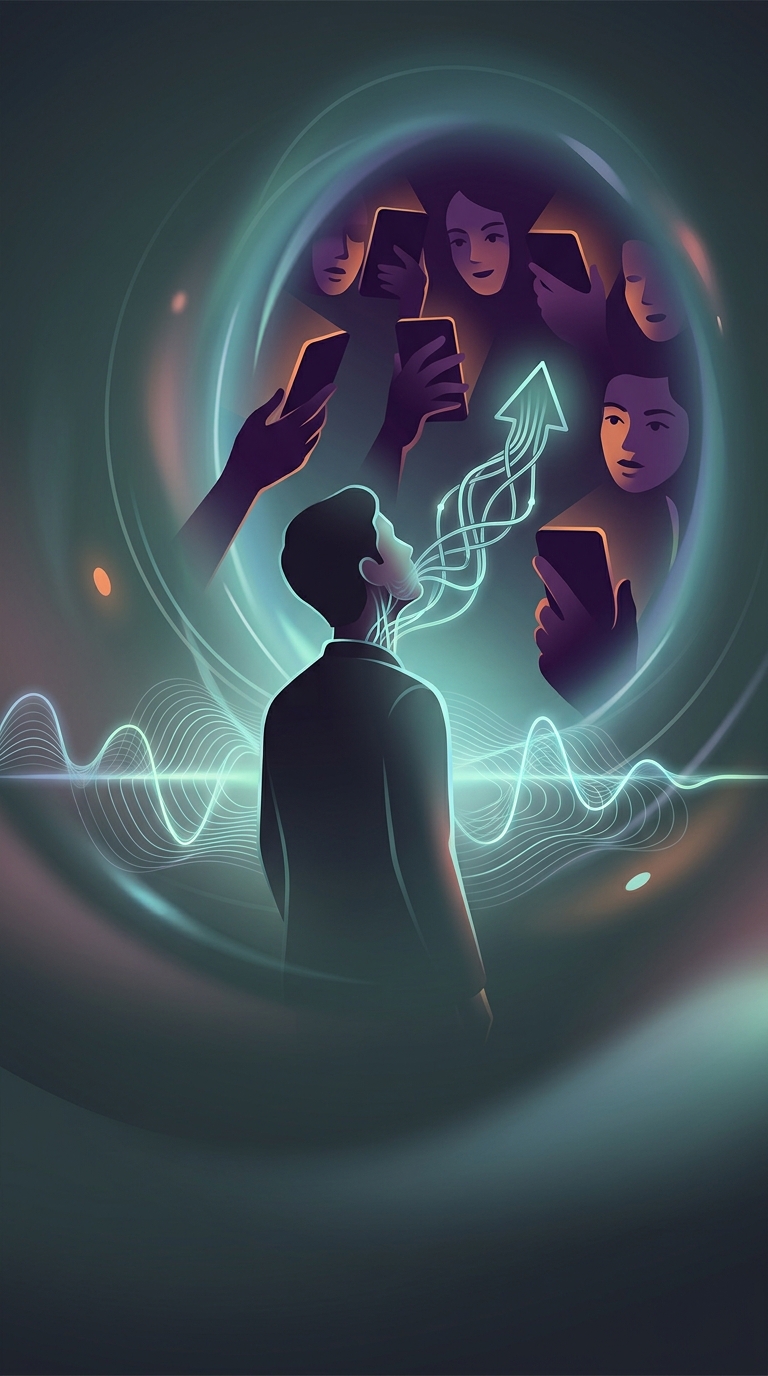
A recommendation system selects videos based on signals such as what a viewer watches, skips, or replays. The precise mix varies by service, but the result is a personalized sequence: some clips are immediately appealing, while others may surprise or disappoint. That uncertainty can encourage sampling. A viewer who is waiting for a particularly funny, useful, or intriguing video can keep swiping because it might be just ahead.
This does not mean every clip is rewarding, or that viewers lose control. It means the feed combines unpredictable content with a very low-effort way to check what comes next. The brief wait for a better clip can quietly stretch a session.
Why the clock can disappear
Short clips offer frequent transitions, but those transitions do not necessarily prompt a person to notice elapsed time. Attention stays on the next piece of content rather than on a clear endpoint. Without a stopping cue—such as a finished episode, a scheduled break, or a planned limit—the session can continue by default.
That is why a few spare moments can turn into a long viewing block: the feed keeps offering a next step, while the user has to create the stopping point.