How a campus network grew up with its users
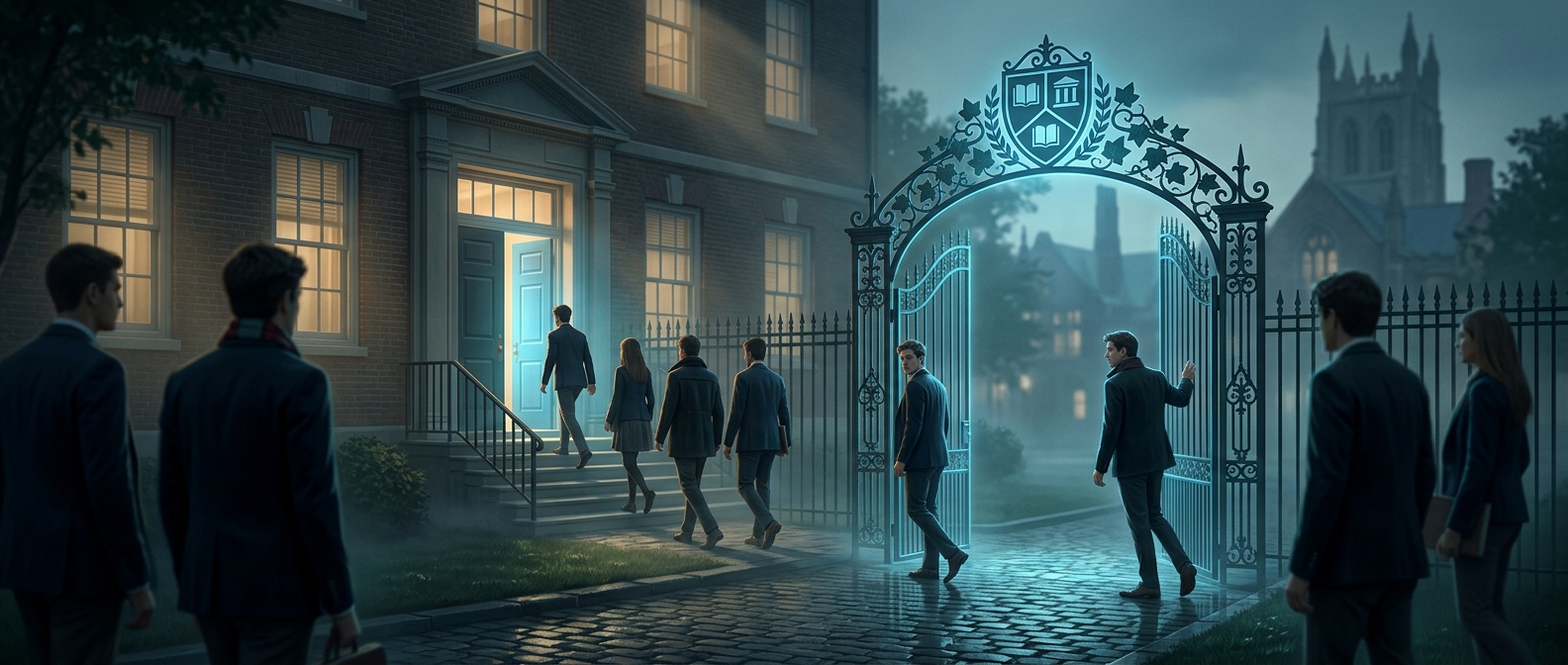
Facebook’s early appeal depended on a built-in audience: people arriving at college could find classmates, reconnect with friends, and keep familiar relationships visible online. As those students moved into jobs, neighborhoods, and family life, the same network followed them. Years of accumulated connections made an account useful even as its owner’s interests and daily routines changed.
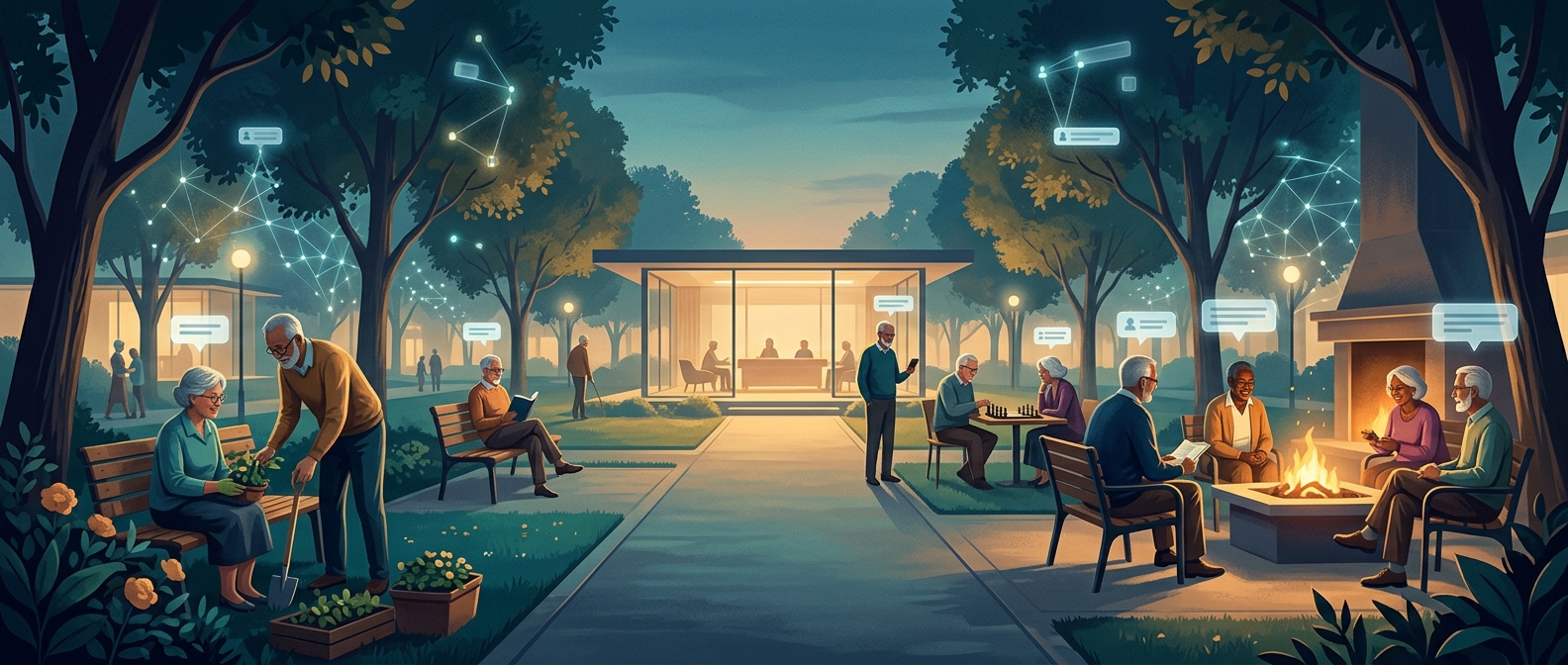
That continuity helps explain the “digital retirement community” feel. A feed is shaped not only by the platform, but by the people a user has chosen to keep around. When longtime friends and relatives post local updates, community concerns, and encouraging sayings, those subjects can become the texture of the site—especially for people whose social circles are already established there.
Why the feed can feel older
Social networks tend to reward staying connected: leaving can mean losing an easy window into relatives’ lives, neighborhood groups, and old friendships. Younger users may adopt other services for different kinds of interaction, while older users remain active where their existing contacts already are. The result is not a formal age boundary; it is a change in the site’s center of gravity and in what users encounter from one another.
This also makes Facebook less like a single shared youth culture and more like a collection of overlapping communities. A local-news argument may matter because it concerns the place someone lives, while a sentimental quote may be a low-effort way to reach a broad circle. The familiar feed is, in part, a record of relationships that have lasted longer than the trends that first brought people online.