A draft is a post paused at the decision point
A social-media draft sits between private thought and public performance. Writing it is relatively easy; publishing it means choosing an audience, a moment, and a version of yourself to show them. That last step can make the button feel much more consequential than the words on the screen.
A heated message may look satisfying while the feeling is fresh, then seem risky after a few minutes. A photo may be technically fine but feel too revealing, too posed, or simply unlike the mood the user wants to project. Editing gives someone a way to test those possibilities without yet inviting anyone else to react.
The imagined audience edits the post, too
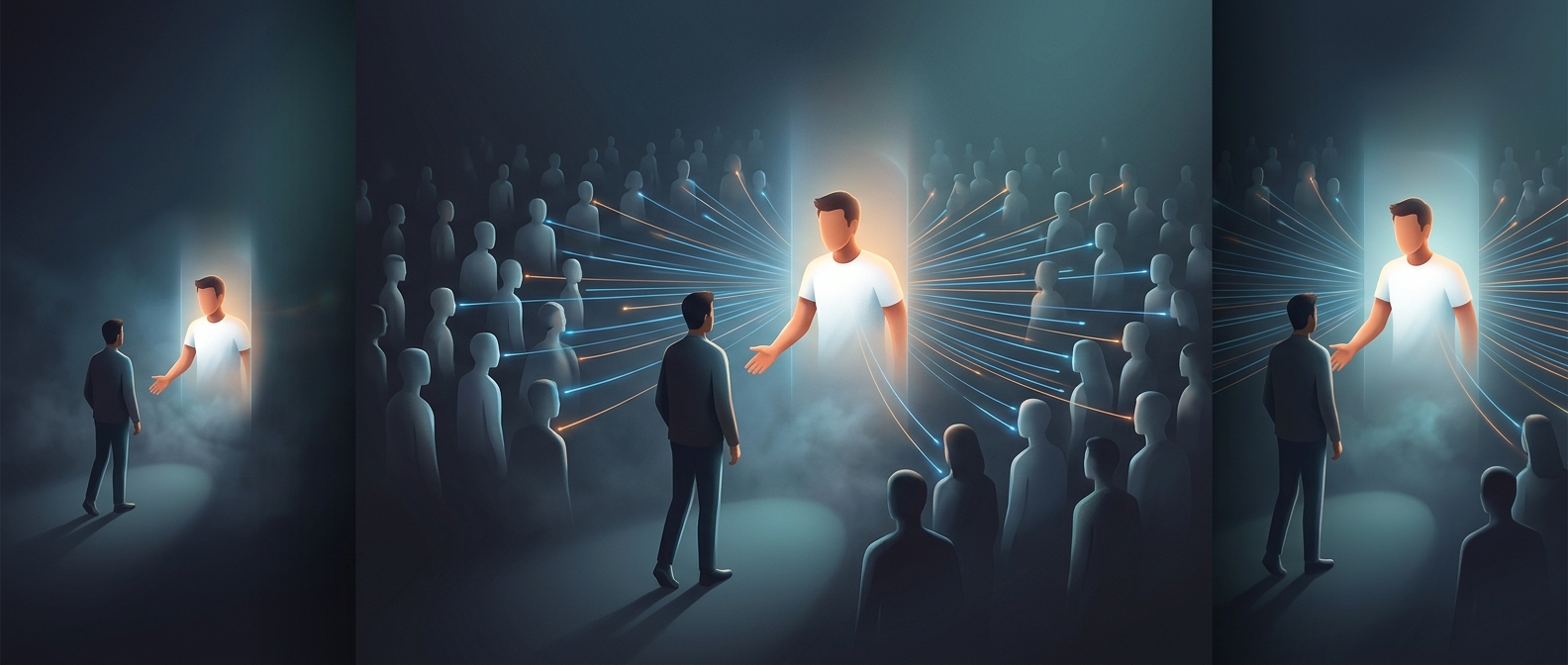
Even when a post is meant for friends, people often picture how different viewers might read it: a coworker, a relative, an ex, or someone who knows the backstory. That imagined audience can change the wording or image—and sometimes make posting feel not worth the effort. The draft becomes a record of a choice that never quite settled.
Platforms make this pause easy by keeping unfinished content inside the app, ready to revisit. But a saved draft is not necessarily a lasting archive; how drafts are stored and whether they survive a device change or app deletion depends on the service. Their more revealing role is immediate: they let users rehearse a public version of a thought before deciding whether it belongs in public at all.
That is why a drafts folder can contain more than abandoned content. It holds the gap between what someone felt like sharing and what they ultimately chose to show.