Why a Bite Becomes the Main Event
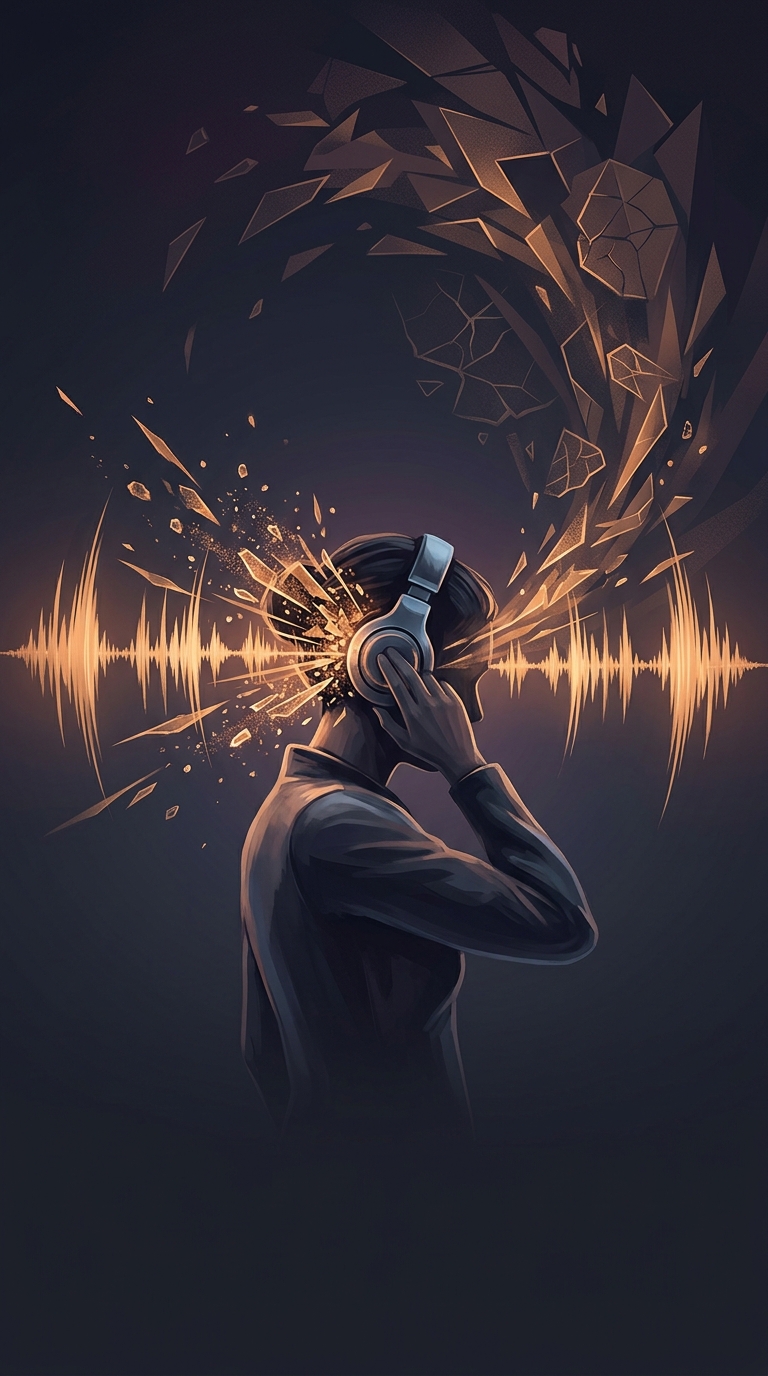
A microphone placed close to the mouth captures details that are easy to miss across a table: the brittle snap of a chip, the crackle of a crust, the wet shift of chewing. Amplification makes those small sounds feel unusually near. In a video, that closeness can turn an ordinary bite into the scene’s central event.
For ASMR—videos designed to evoke a relaxing, tingling response in some viewers—close, distinct sounds are part of the appeal. Crunching, tapping, and whispering can hold attention because they are intimate and easy to follow. The response varies: a sound that feels soothing to one person may seem unpleasant to another.
Sound as a Review of Texture
In food videos, a loud crunch also conveys information. A cut-open pastry can show its layers, but the crack of its crust suggests crispness; a slurp or chew can signal a softer texture. Viewers cannot taste through a screen, so sound helps make the food’s qualities feel more immediate.
That is why creators may choose foods with pronounced textures, bring microphones close, or leave pauses around a bite. The sound is not merely background to the review: it becomes evidence the viewer can hear. A crisp bite can communicate texture faster than a description can.
The Tradeoff of Extreme Close-Up
Recording and editing can make these sounds much more prominent than they would be in a room. A close microphone picks up fine detail, while reduced background noise gives each snap more space. The result can feel immersive—but it can also magnify mouth sounds that viewers would normally ignore.
The same production choice therefore serves two purposes: it creates a focused sensory experience and makes food’s texture vivid at a distance. Whether that feels calming, appetizing, or too intense depends on the listener; the crunch is doing the same job either way—bringing the bite closer.