Why the “work from anywhere” setup gets crowded
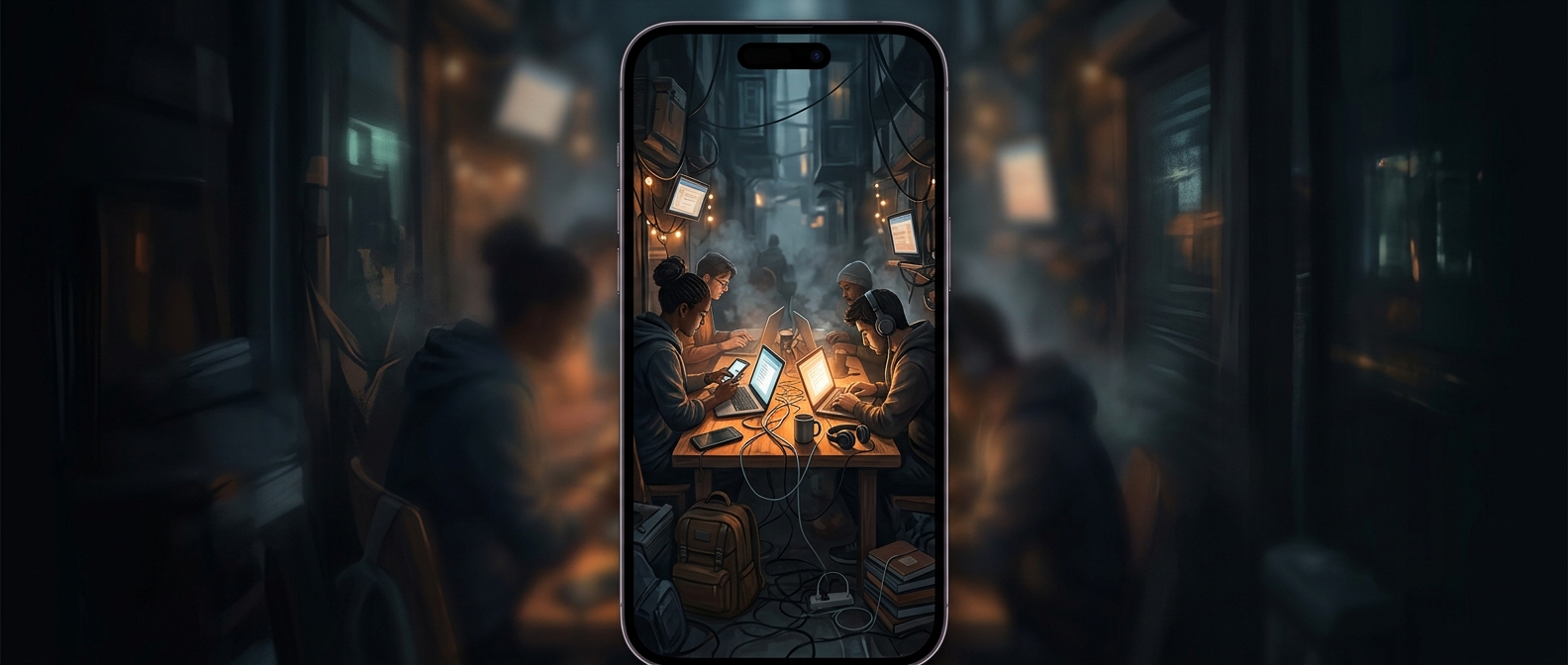
A laptop makes remote work portable, but it does not make every place suitable for a full workday. Workers still need dependable Wi-Fi, a seat, power, and enough quiet to concentrate or join calls. A beach or café may look appealing; a shared workspace is more likely to provide the practical basics. When many people make the same calculation, the room fills up—and the hunt for a usable outlet becomes part of the working day.
The tradeoff behind a shared desk
Coworking spaces let people use desks and common facilities without arranging a permanent office. That flexibility suits travelers who may stay in one place briefly, but it also means they share finite resources with other members and visitors. Busy periods can bring noise, limited seating, and calls competing with the room’s background activity. A space can be convenient without offering the privacy or predictability of a dedicated office.
For remote workers, choosing a location is therefore less a search for a perfect backdrop than a negotiation among cost, convenience, connection quality, and working conditions. The most photogenic setting may lose out to the ordinary room where the internet holds steady and the next meeting can happen.
The practical consequence
The freedom to change locations does not remove the need for workplace infrastructure; it shifts the search for that infrastructure from an employer’s office to cafés, rentals, and shared desks. Before settling in, workers often have to check the basics—especially whether they can get online, sit comfortably, and recharge their devices. A portable job still depends on a place that can support it.