Why four-wheel luggage gives up room
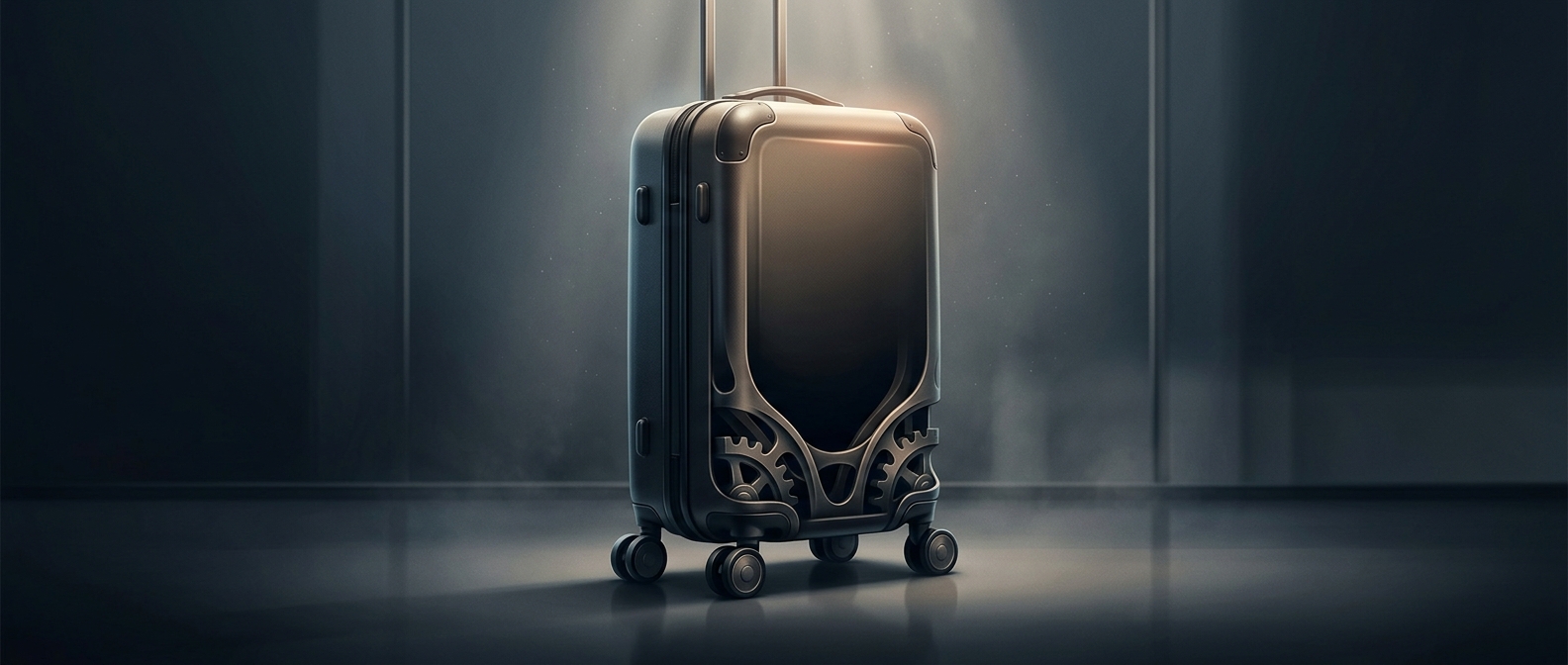
A spinner suitcase can pivot and roll in any direction because each of its four wheels swivels independently. That freedom depends on hardware mounted at the bag’s corners: each wheel needs a fork or housing, a swivel joint, and a reinforced attachment point. The parts project beyond the shell, and their fasteners and supports occupy space at the bottom corners inside it.
Designers must preserve that structure while keeping the case light and able to withstand bumps. Simply making the shell deeper may not solve the problem: the wheel assemblies still need clearance, and a larger exterior can make the suitcase bulkier to store or handle.
The tradeoff is how the bag moves
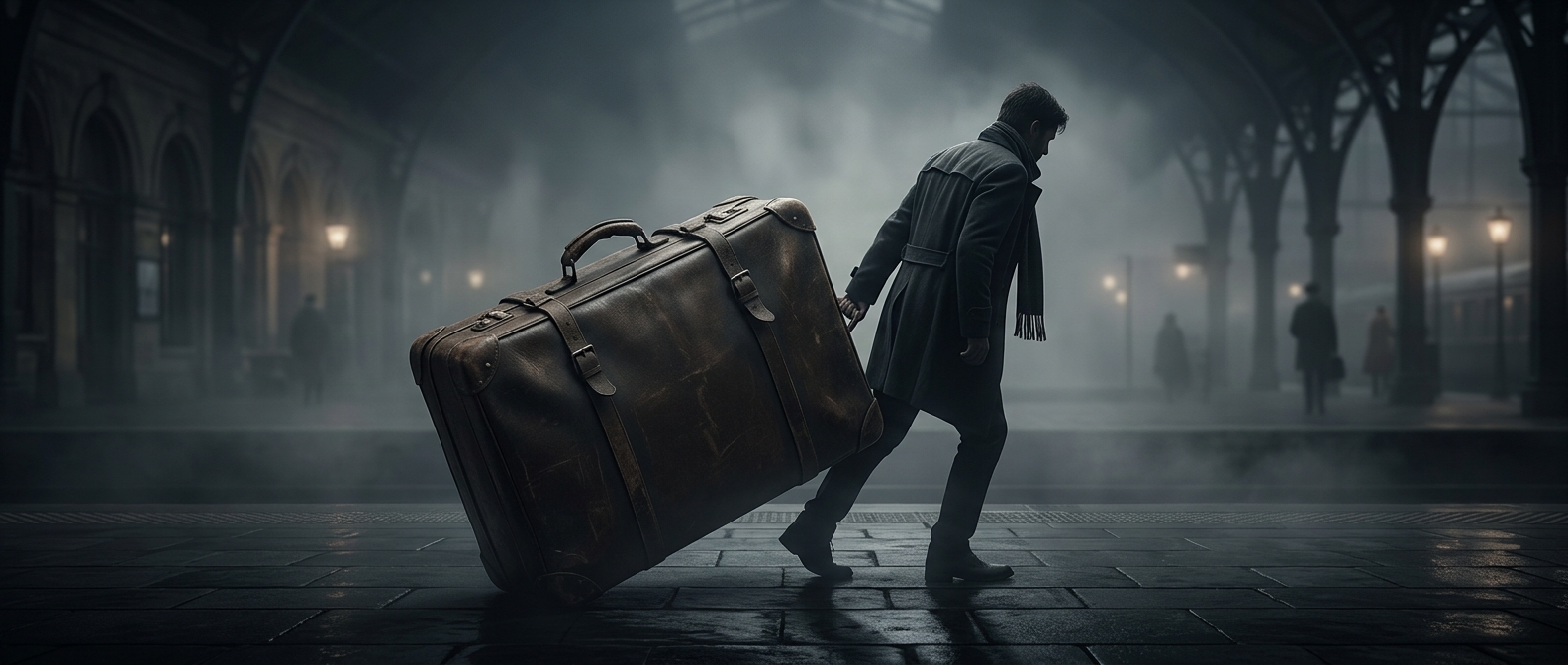
Two-wheel suitcases typically use larger wheels partly recessed into the body. They roll forward and backward, so the traveler usually tilts and pulls the case. With less wheel hardware at all four corners, that layout can leave more of the shell available for packing. The wheels are protected by the case, too, though the bag cannot glide sideways or turn as easily in a tight space.
Spinners instead stay upright and can be pushed alongside the traveler, which makes maneuvering through crowded aisles feel easier. But when choosing between designs, compare the usable interior—not just the exterior dimensions. A suitcase that looks equally large from the outside may devote more of its lower corners to the machinery that lets it swivel.