How emotional distress can become physical pain
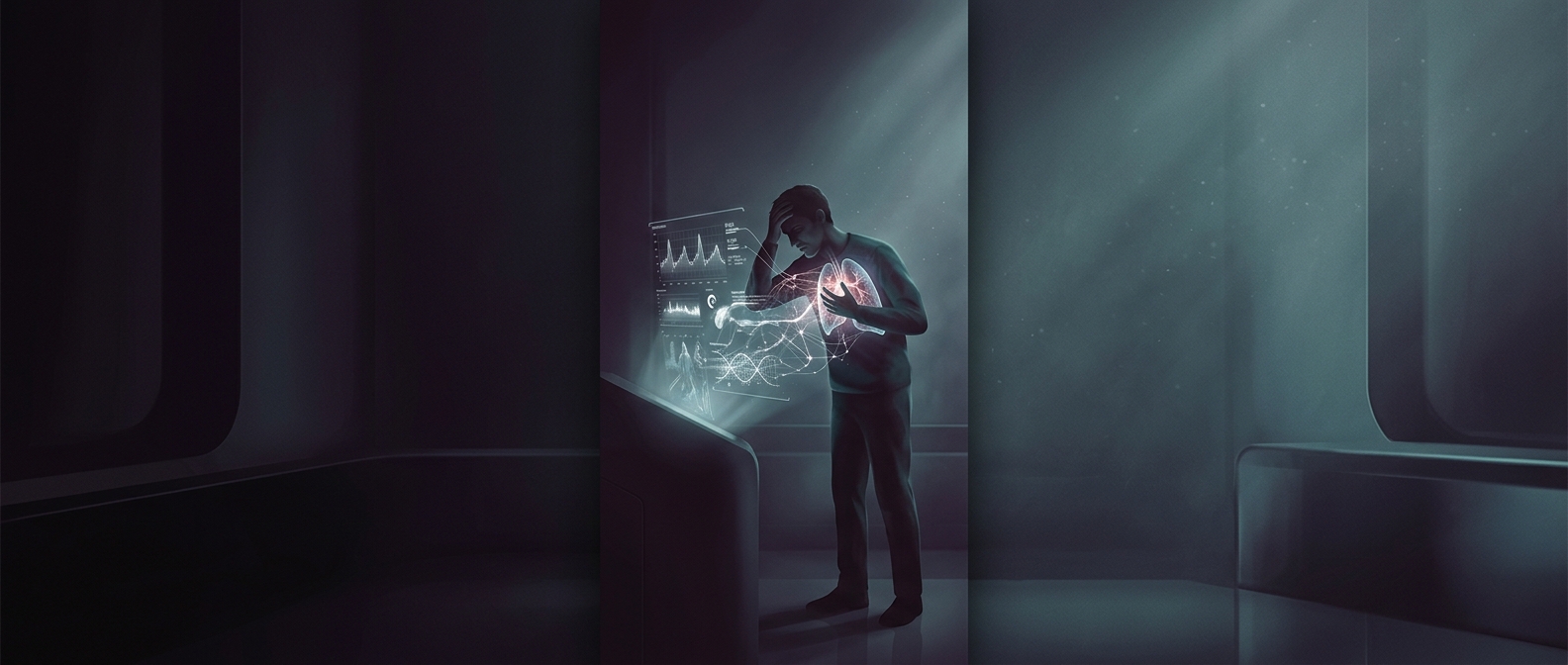
A painful loss can show up as a tight chest, aching shoulders, a knotted stomach, or a headache. These sensations are not imaginary. The brain and body continually exchange signals, so emotional strain can change bodily processes—and the brain can interpret those changes as pain.
Stress changes what the body is doing
When something feels threatening or overwhelming, the brain can activate the body’s stress response. The heart may beat faster, breathing may become shallower, and muscles may tighten. If that tension persists, it can leave muscles sore or contribute to familiar aches. Stress can also disrupt sleep and digestion, which may make discomfort harder to shake.
At the same time, attention and expectation influence how strongly the brain registers sensations. During distress, a person may monitor the body more closely, and the nervous system may become more reactive. An ordinary sensation can then feel unusually intense; an existing ache may become harder to ignore. That does not mean the pain is “all in your head”: pain is an experience produced by the nervous system, shaped by signals from the body and by the brain’s interpretation of them.
Why the feeling can linger
Emotional upset and physical symptoms can reinforce each other. Poor sleep or persistent muscle tension can increase discomfort, while discomfort can add to worry and make it harder to rest. The loop helps explain why the body may keep registering distress even when there is no visible injury.
Recognizing that connection can make a symptom less mysterious, but it cannot identify its cause on its own. New, severe, or persistent pain deserves attention as a physical symptom too. Emotional pain can be felt in the body—and bodily pain should not automatically be dismissed as emotional.