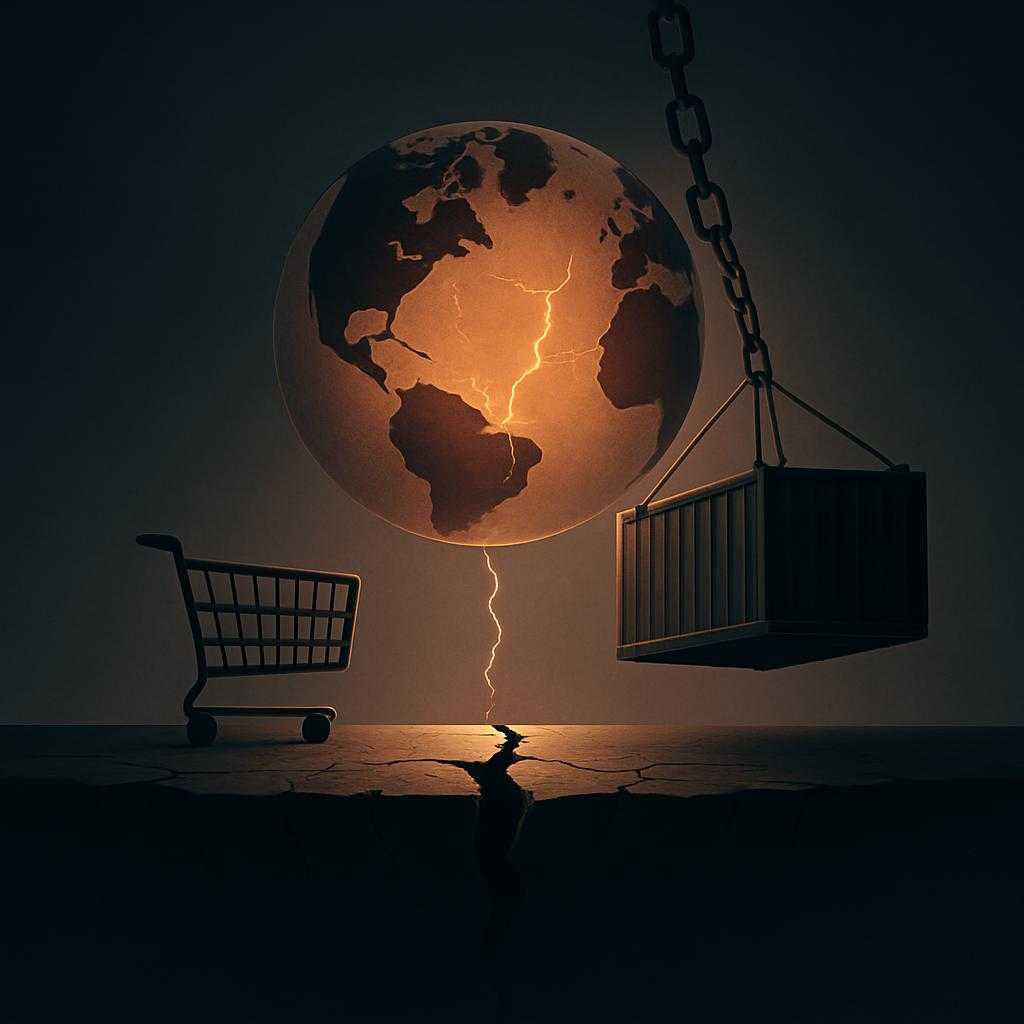
The efficiency strategy built around having less
The strategy was just-in-time inventory: keep only a small amount of material on hand and arrange for more to arrive close to when a factory or store needs it. Instead of paying to warehouse months of parts, a company could use frequent deliveries and carefully coordinated schedules to keep goods moving.
That approach can lower storage costs and tie up less money in unsold stock. It works best, though, when suppliers, transport routes, and delivery times are dependable. A warehouse with little reserve has no easy substitute when a shipment is delayed.
How a delay becomes a shortage
Supply chains are connected sequences, not isolated purchases. A factory may need components from several suppliers, and one missing part can hold up a finished product even when everything else is available. When a port, shipping route, or supplier is disrupted, deliveries can arrive late together. Businesses that planned around steady replenishment then have little inventory to draw down while they wait.
The resulting shortage can travel downstream: manufacturers slow or pause production, retailers receive fewer goods, and customers encounter empty shelves or longer waits. The vulnerability is not simply that a company had too few boxes in one building; it is that the whole system had limited slack—the spare capacity or stock that absorbs a shock.
Resilience has a carrying cost
The lesson was not that every business should store everything. Extra inventory costs money, takes space, and can become obsolete, while relying on one supplier or route may be cheaper in ordinary conditions but risky during a disruption. Companies therefore face a tradeoff: optimize for low routine costs, or pay for buffers such as reserve stock, alternative suppliers, and more flexible transport.
A few weeks of inventory may look wasteful when deliveries are smooth. When they stop, that same stock becomes the difference between keeping production running and waiting for the next shipment.