Why the Liver Could Speak for the Gods
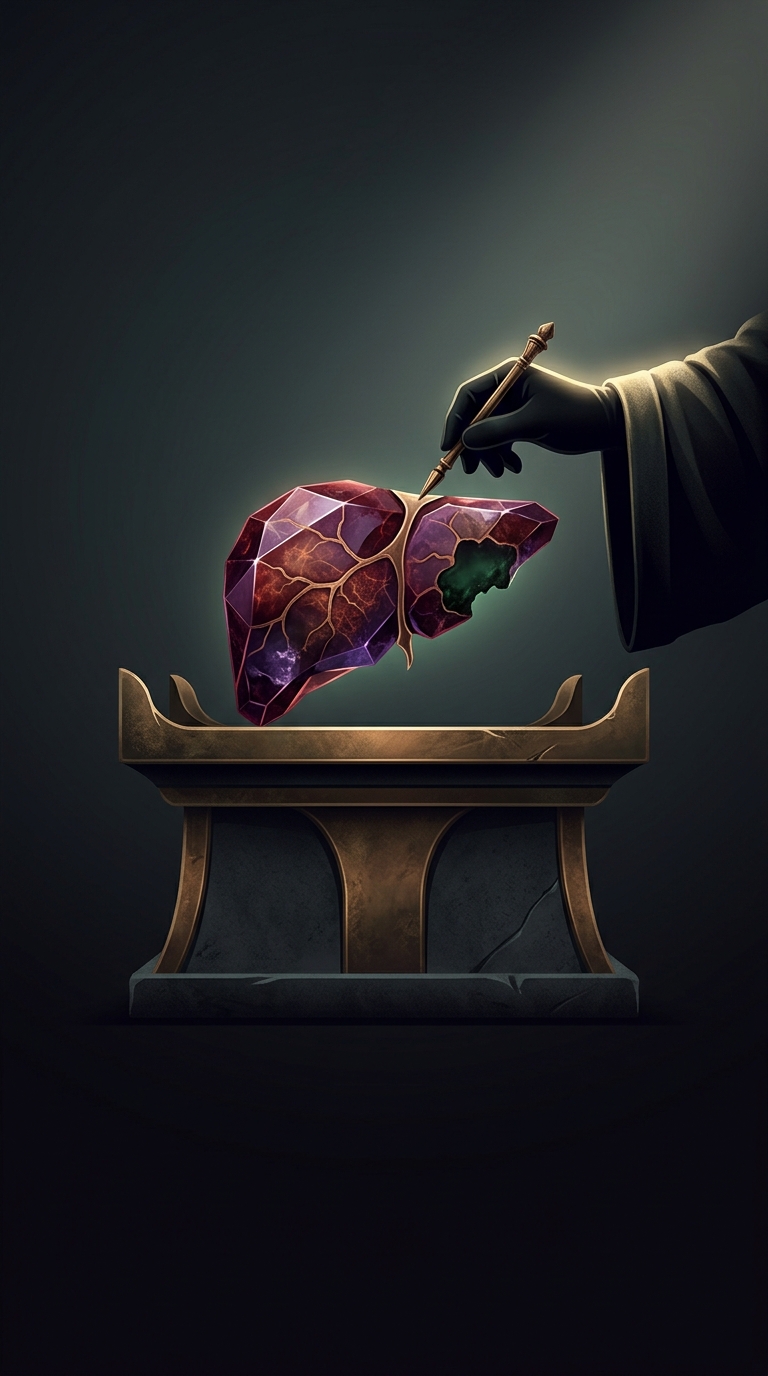
For Etruscan diviners, a sacrificial animal was not merely an offering. Its organs could serve as a message from the gods, and the liver was especially useful because its distinct regions offered a surface to interpret. A haruspex—a specialist in this practice—looked for unusual features and read them within a religious system that connected parts of the liver with divine powers.
That made the inspection more than a search for a single “good” or “bad” sign. The location and character of a feature mattered: an irregularity in one area could carry a different meaning from one elsewhere. Bronze models of livers, including an Etruscan example divided into marked sections, show how carefully this interpretive map could be organized.
From Sign to Public Decision
Rome adopted Etruscan religious expertise and consulted haruspices about troubling signs and consequential choices. Their interpretations offered officials a way to decide whether circumstances seemed favorable—or whether action should wait. A warning could therefore affect events beyond the ceremony: leaders might postpone a military campaign or reconsider a public vote.
The practice did not make the future mechanically predictable. It gave political and religious authorities a recognized method for interpreting uncertainty, with the diviner translating an animal’s condition into guidance. The practical force of the omen came from the community’s confidence in that method: if the signs called for a pause, waiting could itself be treated as the responsible decision.