How a Cat Became a Warning Sign
A black cat did not carry the same meaning everywhere—or in every era. In parts of medieval and early modern Europe, cats became entangled with stories about witchcraft. Their nighttime habits, quiet movement, and independence made them easy to cast as mysterious companions; in some accounts, they were linked to witches as “familiars,” or supernatural helpers. Black fur added to the association with darkness and danger.
Those ideas could give an ordinary encounter a frightening interpretation. If misfortune followed a cat crossing someone’s path, the coincidence might be remembered as evidence that the animal had brought bad luck. But this was a cultural belief, not a universal rule: cats have also been valued as useful household animals, and black cats have not meant the same thing in every place.
From Omen to Chosen Aesthetic
A symbol can lose its power to frighten when the stories around it change. As belief in witchcraft weakened in many societies, black cats increasingly appeared in popular entertainment and seasonal imagery, especially around Halloween. Their old associations with mystery remained, but people could now enjoy them at a safe distance—as theatrical, playful, or spooky rather than genuinely threatening.
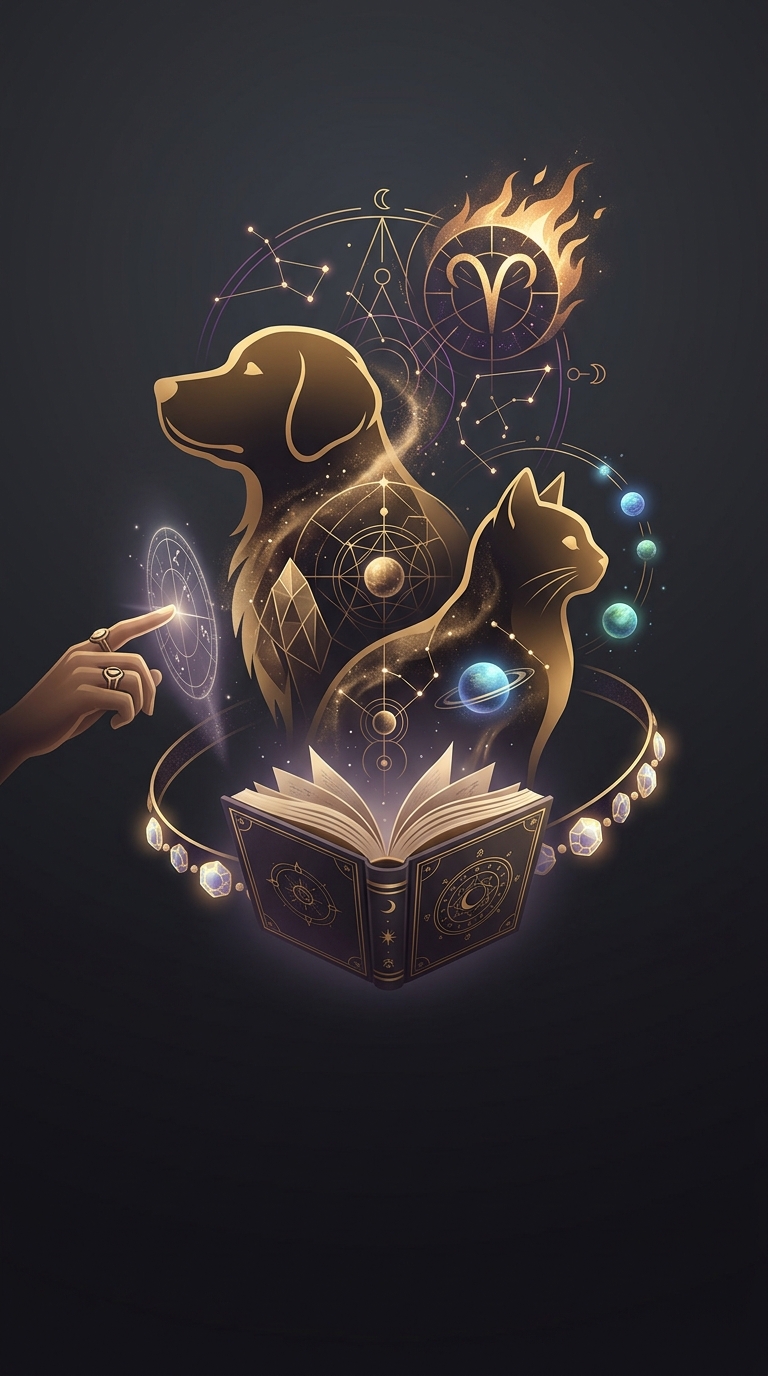
That shift makes the image easy to reuse online. Astrology and witchy lifestyle posts borrow familiar symbols—cats, moons, crystals, dark colors—and combine them into a recognizable visual mood. A viewer can share the look without believing that a cat predicts the future. The symbol becomes a style choice: a way to signal playfulness, gothic taste, or interest in the occult.
Why the Old Meaning Still Lingers
Aesthetic reinvention works because it keeps a trace of the original charge. A black cat can feel mysterious precisely because generations of stories taught people to associate it with the uncanny. Online, that tension is converted into humor and decoration: the once-feared omen becomes a familiar mascot, carrying just enough old-fashioned eeriness to make the joke—and the image—work.