A guidebook that made sightseeing selective
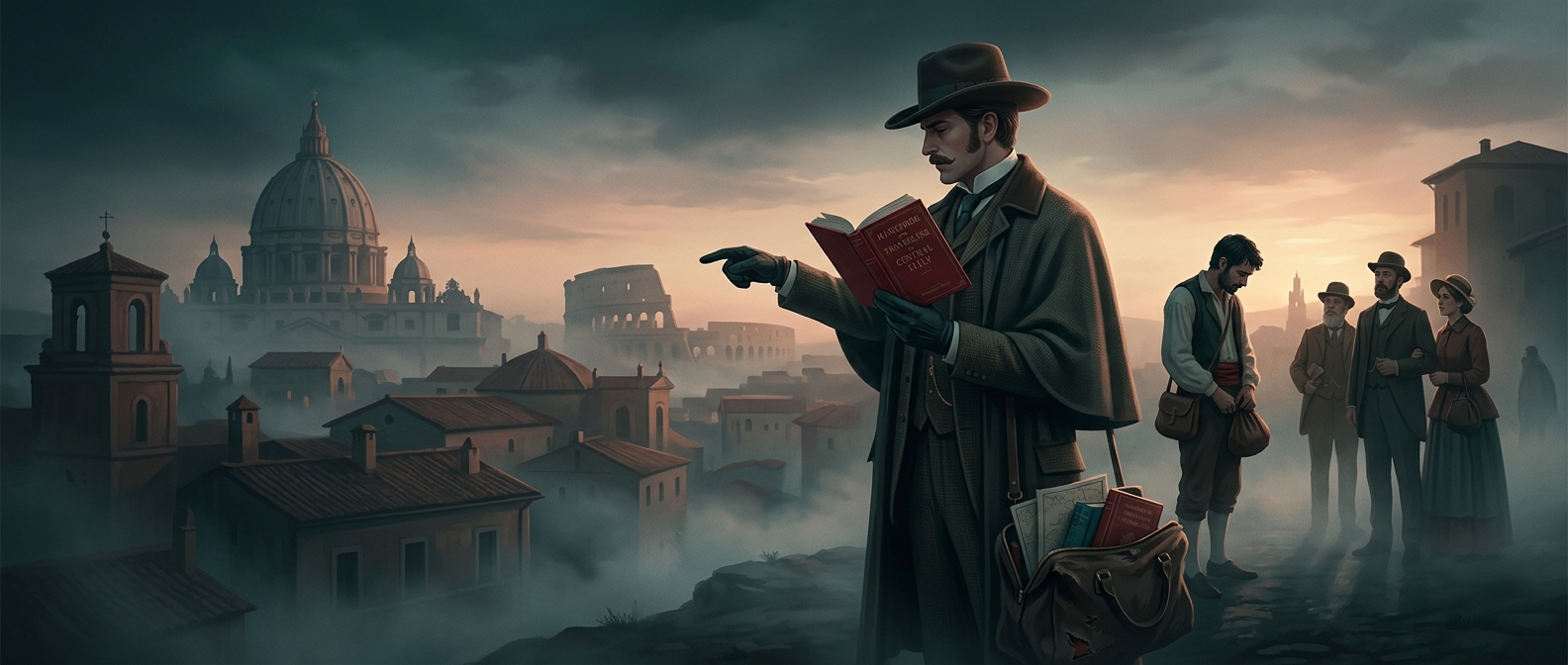
For a Victorian traveler in Italy, seeing every ruin was not a realistic plan. Roads, rail connections, lodging, and travel time shaped what could fit into a trip. John Murray III’s handbooks helped turn that problem into a series of choices: which places merited a detour, and which could be passed over.
Their value was not just naming monuments. A useful guide connected a site to the practical work of reaching it and gave readers enough description to judge whether it suited their itinerary. That made the book a portable adviser, helping travelers spend limited time on places its editors considered most rewarding rather than treating every ruin as an equal stop.
From information to influence
A recommendation could redirect a visitor—and, over time, help concentrate attention on particular landmarks. The same judgment that saved a traveler a wasted journey also carried the guidebook’s preferences into the landscape: some sites became expected highlights, while others were easier to leave unseen.
That is why Murray’s books were an early form of tourist filtering, not merely lists of Italian antiquities. They offered travelers a way to avoid disappointing stops, but they also helped define what counted as worth seeing. For a reader planning an expensive journey, a few lines in a handbook could determine which ruin received an afternoon—and which remained just beyond the route.