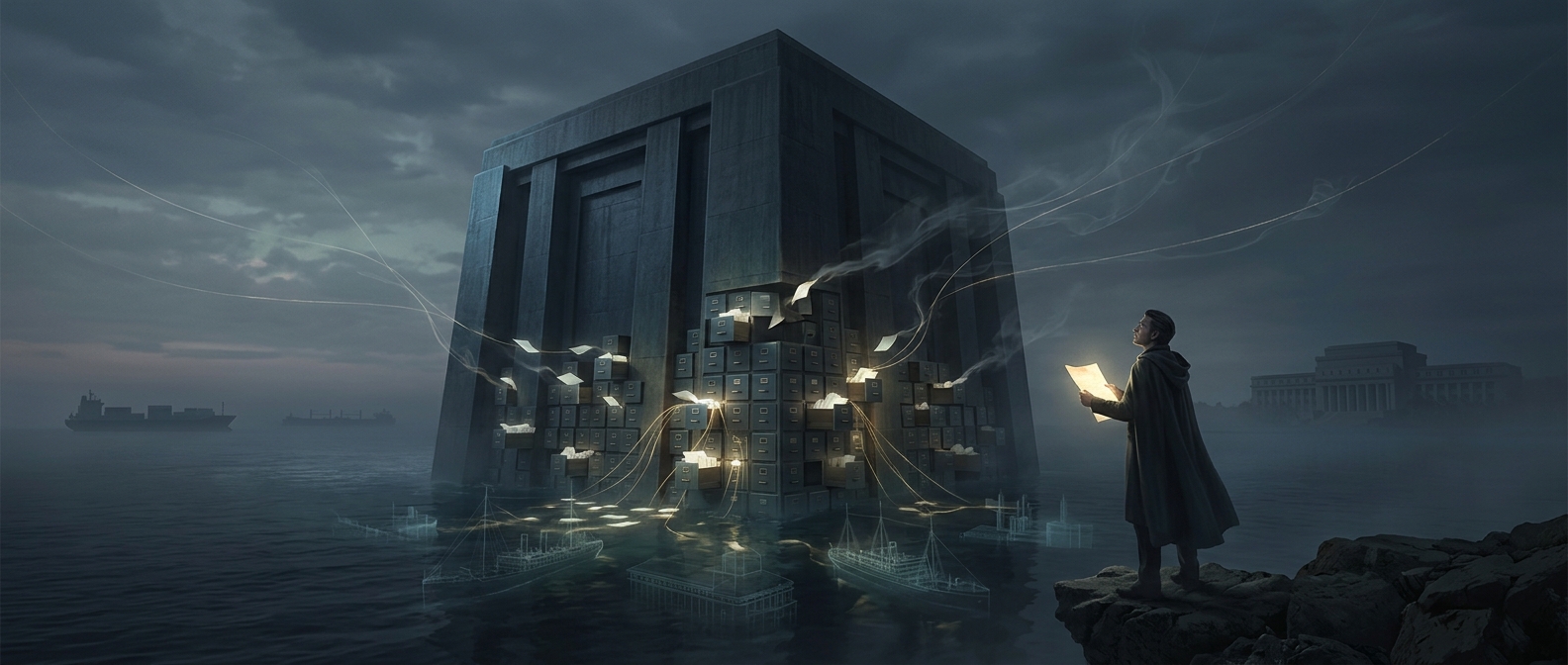
How a company can hide its owner
An offshore company is registered outside the country where its owner lives or does business. Such companies can serve ordinary purposes, including holding property or organizing investments across borders. The opacity comes from how they are structured: one company may own another, while a law firm or intermediary handles paperwork and communicates with banks. The person who ultimately controls the assets—the beneficial owner—can be much harder to identify than the company’s name on a document.
That arrangement can separate wealth from public view without making every transaction illegal. But secrecy also makes it harder for tax authorities, investigators, and the public to trace money or determine who benefits from a deal.
What the leaked files made visible
The 2016 Panama Papers came from Mossack Fonseca, a Panamanian law firm that helped clients establish offshore companies. The documents offered an unusually detailed look at the machinery behind them: records could connect companies, intermediaries, and clients, revealing links that would be difficult to see from any single registration alone.
The leak did not mean that every named person had committed a crime, or that the documents added up to a verified inventory of hidden wealth. The often-cited estimate of as much as $32 trillion referred to the broader scale of wealth held offshore, not a precise total uncovered in the files.
Why the scale mattered
The disclosure showed how legal corporate structures can make ownership difficult to follow across borders. That creates a practical imbalance: people with access to specialized legal and financial services can arrange their affairs through layers of entities, while authorities must piece together records from different jurisdictions to establish who controls the money.
The files’ lasting significance was not simply the fortunes they suggested, but the paper trail they exposed—evidence of how easily a name can disappear behind a chain of companies.