Why gate areas get softer floors
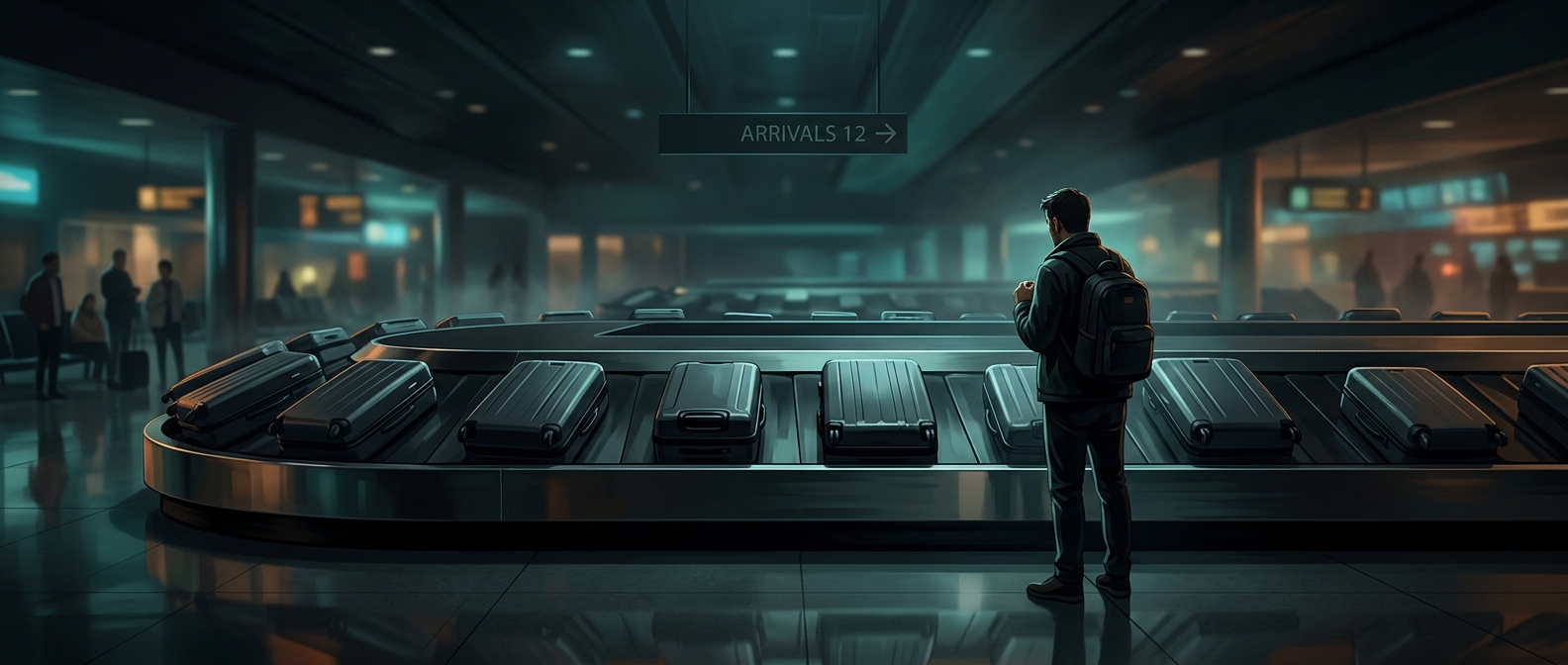
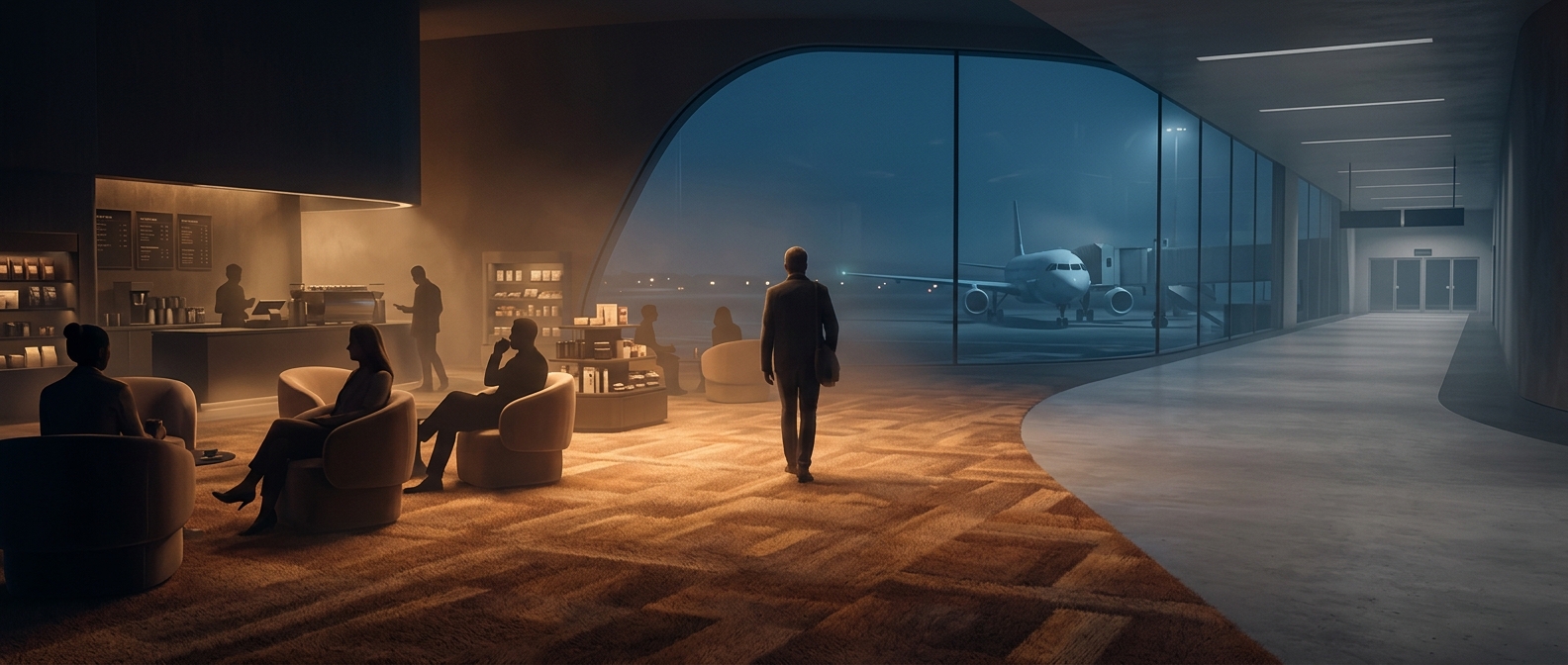
An airport terminal has two very different kinds of space: routes people move through and places where they wait. Hard flooring suits the first. It stands up to heavy traffic and makes it easier to roll suitcases, carts, and equipment. Around gates, where passengers may sit for a while, carpet helps signal a change in pace.
The sound changes, too
A hard surface reflects sound, so footsteps, rolling bags, and nearby conversations can blend into a steady wash of noise. Carpet absorbs some of that sound instead of bouncing it back into the room. It cannot make a crowded gate quiet, but it can soften the clatter and echo that make a large terminal feel more hectic.
That acoustic difference supports the room’s other cues: seats, boarding displays, and carpeted floors all mark the gate as a place to pause rather than a corridor to cross. The flooring helps divide the terminal into spaces for moving and spaces for waiting.
A practical boundary
Carpet is less convenient where luggage wheels and constant foot traffic dominate, and it needs upkeep that a hard floor does not. Keeping it near seating and gates lets airports use its calmer feel where people linger without putting it across every route. The result is a subtle transition: the floor underfoot changes as the passenger’s job changes from getting somewhere to waiting to board.