Why some prescriptions need a cold chain
Many temperature-sensitive medicines are biologics: drugs made from proteins or other complex molecules. Unlike a simple chemical that may tolerate a broad range of conditions, a protein can lose its useful shape if it gets too warm—or, for some products, freezes. Once damaged, it may not work as intended even if it still looks normal.
A cold chain is the set of steps used to keep such a medicine within its product-specific temperature range from storage to delivery. The range differs by medication, so a package designed for one prescription may not suit another.
How the package buys time
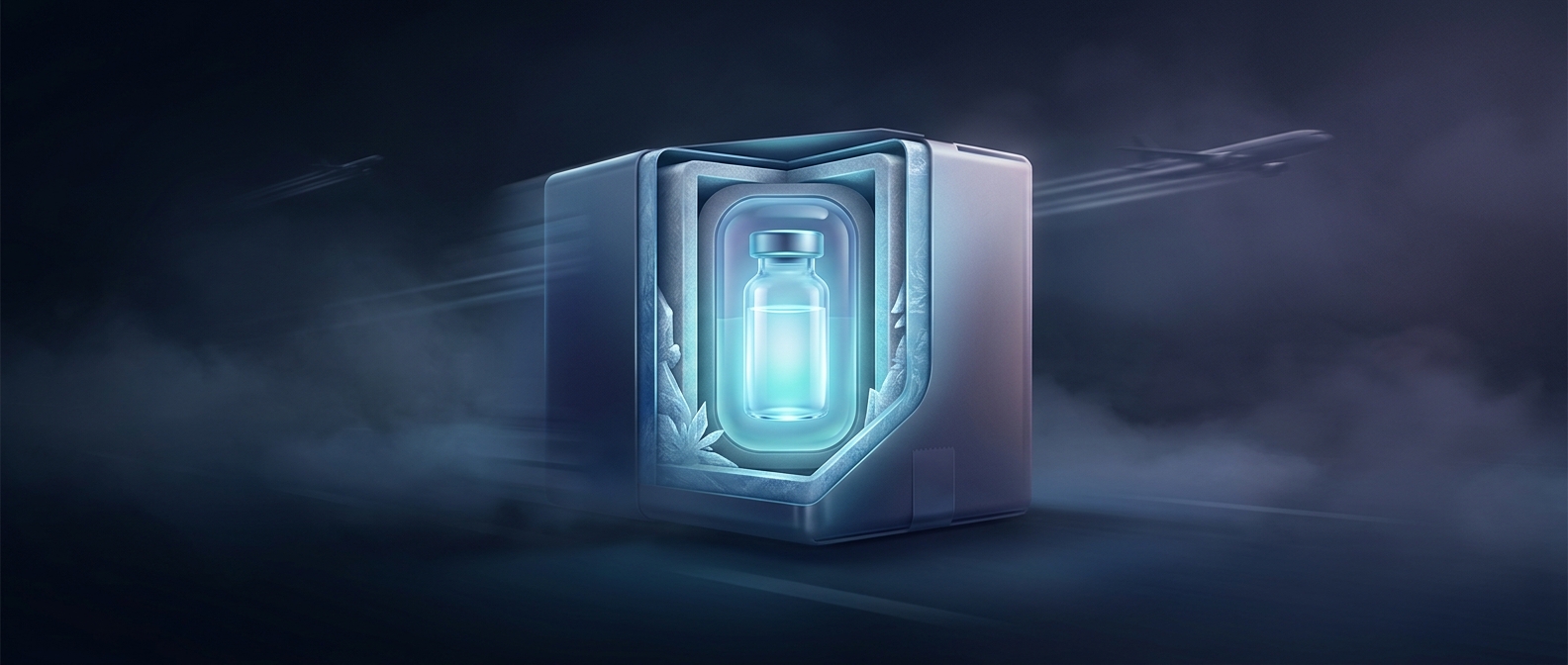
Insulating material slows heat moving between the outdoors and the shipment. Chilled gel packs add a buffer: as they warm and change state, they absorb heat from the space around the medicine. Together, the insulation and packs create a temporary protected environment—not a miniature refrigerator that can hold its temperature indefinitely.
Pharmacies and shipping services have to account for the expected journey, including outdoor conditions and time in transit. The goal is to keep the medicine protected until it reaches the patient, not simply to make the box feel cold when it arrives.
What happens at delivery matters
The package’s protection has limits, especially if a delivery is delayed or left outside. Patients should follow the storage instructions for their particular prescription and any delivery guidance from the pharmacy. If a shipment arrives unexpectedly warm, damaged, or late, the safest next step is to contact the pharmacy before using the medicine; appearance alone cannot reliably show whether a temperature-sensitive drug has been affected.
That is why delivery timing is part of medication handling: the chain is only as dependable as the handoff at the door.