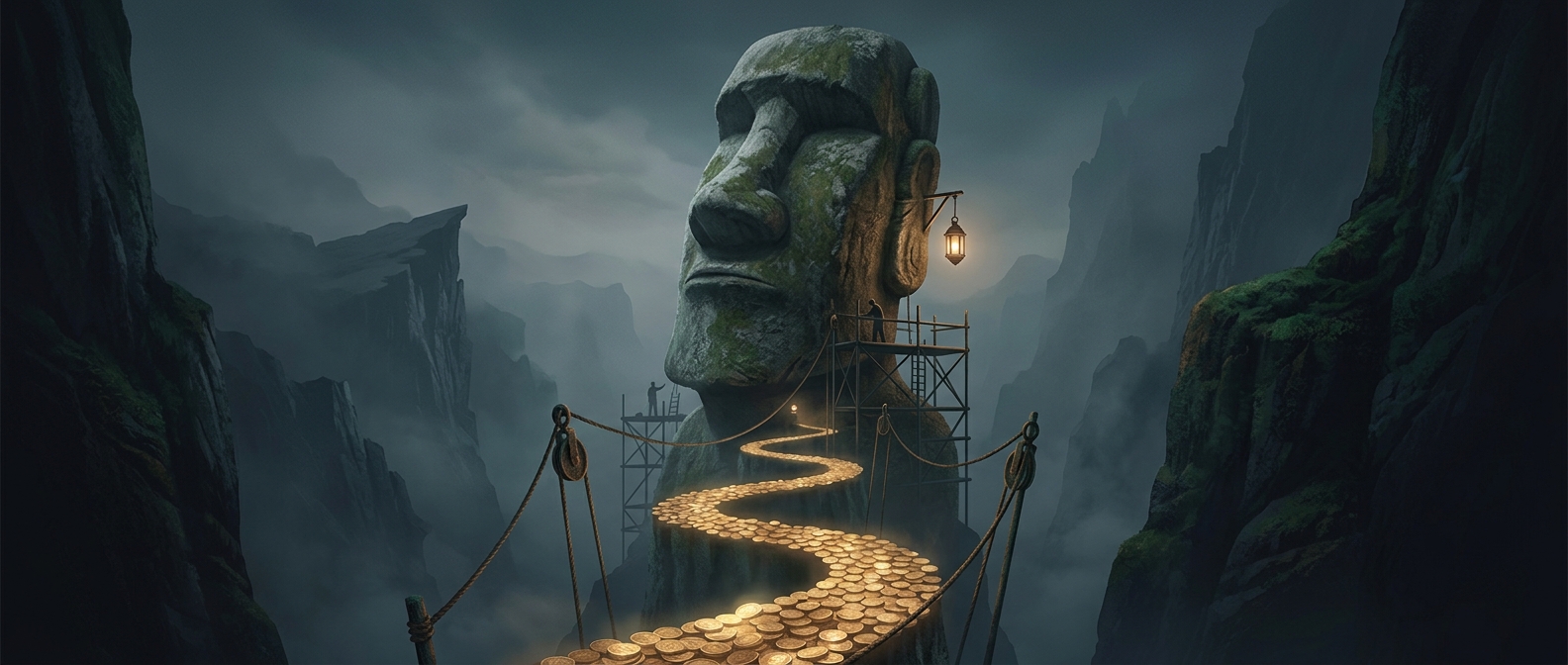
The Cost of a Stone Monument Continues After Carving
A giant stone head may look permanent, but exposed rock slowly changes. Water can seep into small cracks, temperature swings can widen them, and wind and weather gradually wear the surface. Even a small weakness matters when the sculpture is large, valuable, and open to the elements.
That makes finishing the carving only one part of the expense. Staff must keep watch for changes and arrange structural repairs before a minor problem becomes a larger one. Monitoring means more than looking at the monument: it can involve recording its condition over time so conservators can spot movement or deterioration and decide where work is needed.
Why Public Funding Has to Last
The costs arrive across many years, not just during construction. A park therefore needs continuing money for inspections, conservation expertise, equipment, and repairs. Those needs compete with other public responsibilities, so maintenance depends on budgets being renewed rather than on a one-time construction fund.
Delaying care can make later work more difficult and costly, while spending too aggressively without evidence can waste limited resources. The practical task is to identify real changes early and direct repair funds where they will protect the stone most.
The monument’s upkeep is part of the monument itself: its survival depends not only on the original carving, but on a long-term public commitment to noticing and fixing damage.