What handwriting can actually show
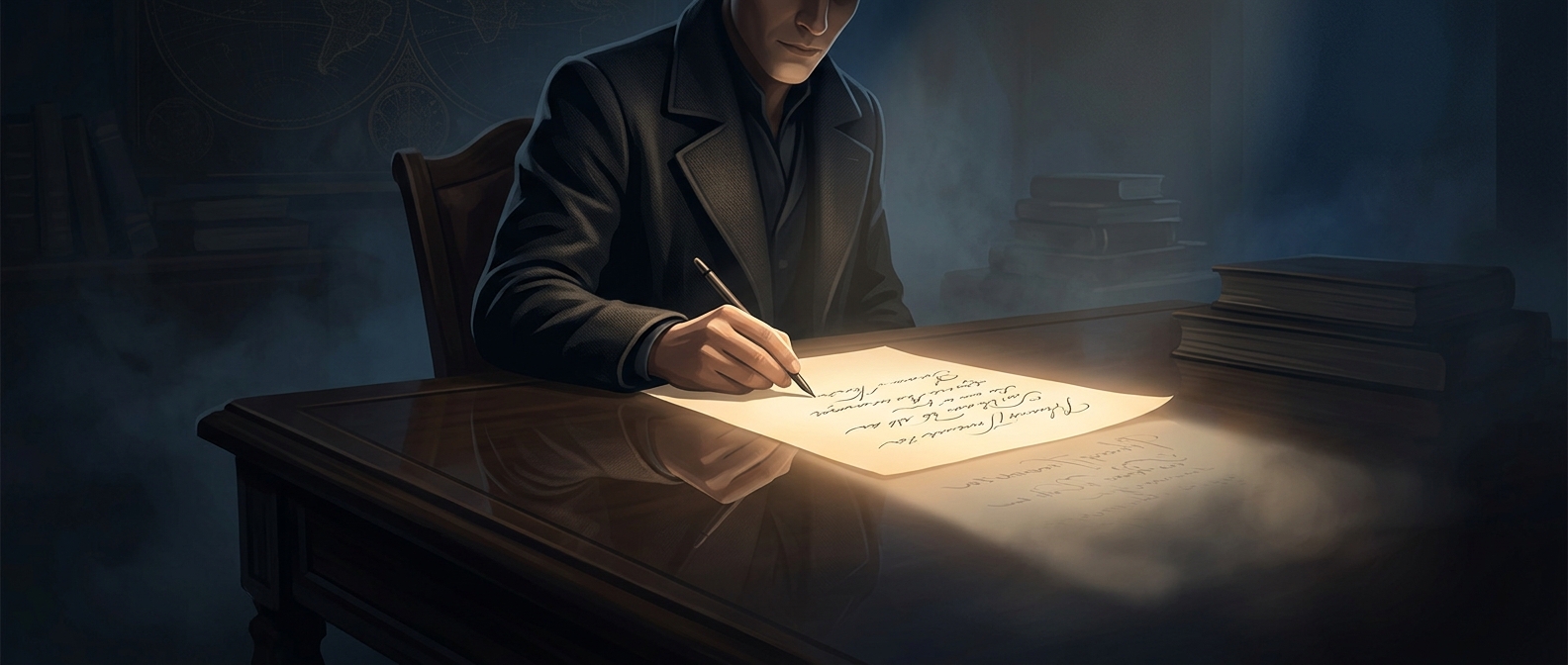
A page of handwriting is a record of movements, not a direct map of someone’s character. The hand has to guide a pen across a surface while the writer manages pressure, speed, and letter shapes. Those practical demands can leave visible patterns—especially in how a person positions the page and moves the pen.
Left-handed writers often adapt to writing from left to right. Some angle the paper or curve the wrist to see what they have written; others use a different grip or movement. Such habits can offer clues about handedness, though no single feature is conclusive. Left-handers vary, and right-handers can adopt similar positions.
Why personality readings miss the mark
Graphology—the practice of interpreting personality from handwriting—treats features such as slant, size, or pressure as signs of inner traits. But those marks have ordinary explanations. A cramped line may come from limited space; heavy pressure may reflect a pen, a writing surface, or the writer’s motor habits. Schooling, speed, fatigue, and years of practice also shape letterforms.
That makes handwriting a poor personality test: the same visible mark can arise for many unrelated reasons. A page may tell you something about the physical process that produced it, but it cannot reliably tell you whether its writer is confident, secretive, or generous. The more revealing question is often not what a letter supposedly says about a person, but what their hand had to do to put it there.