The void was not always mere absence
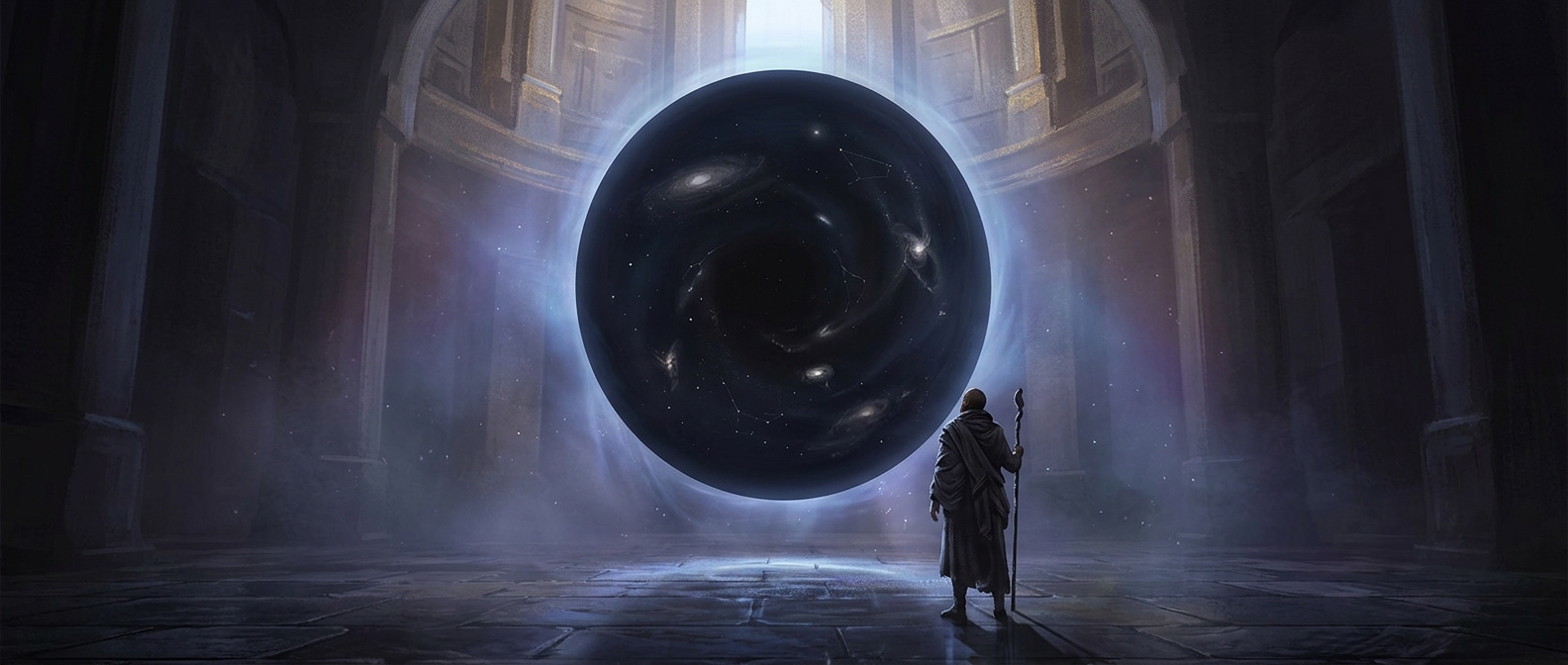
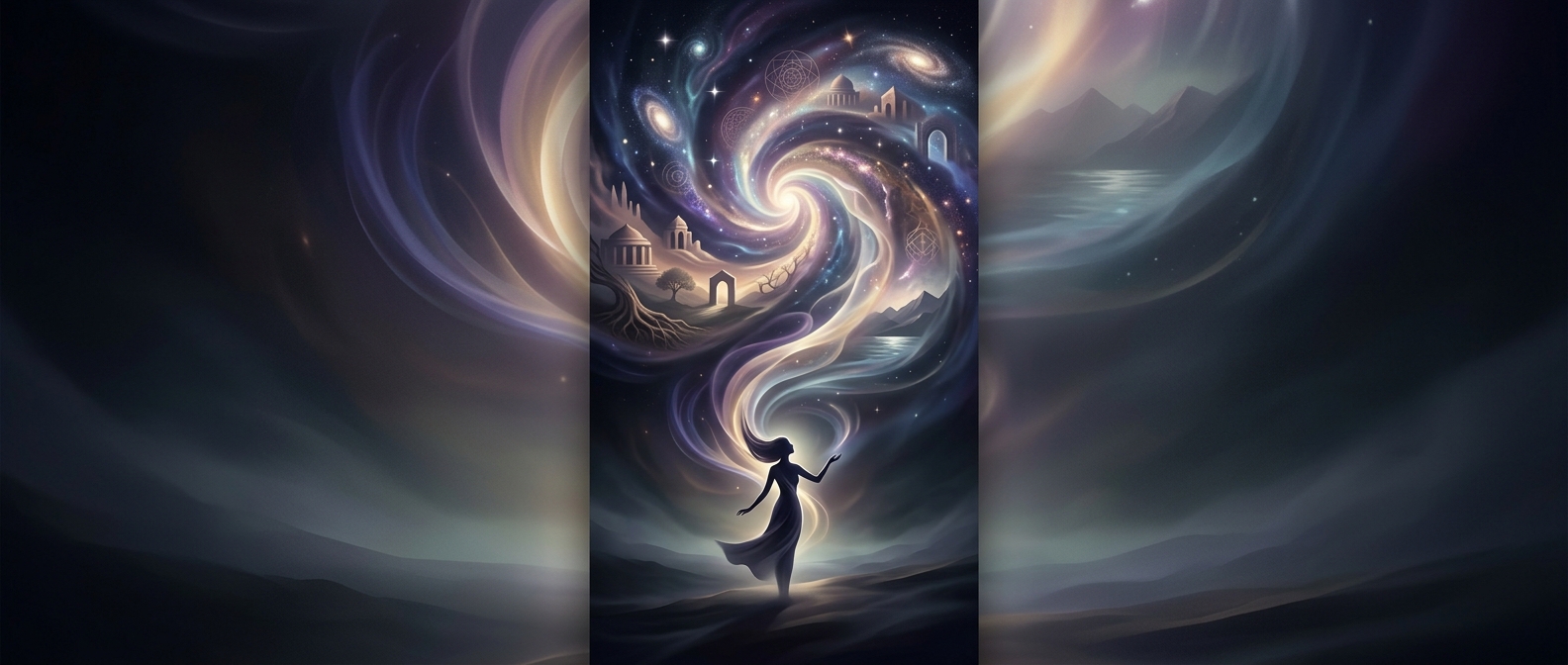
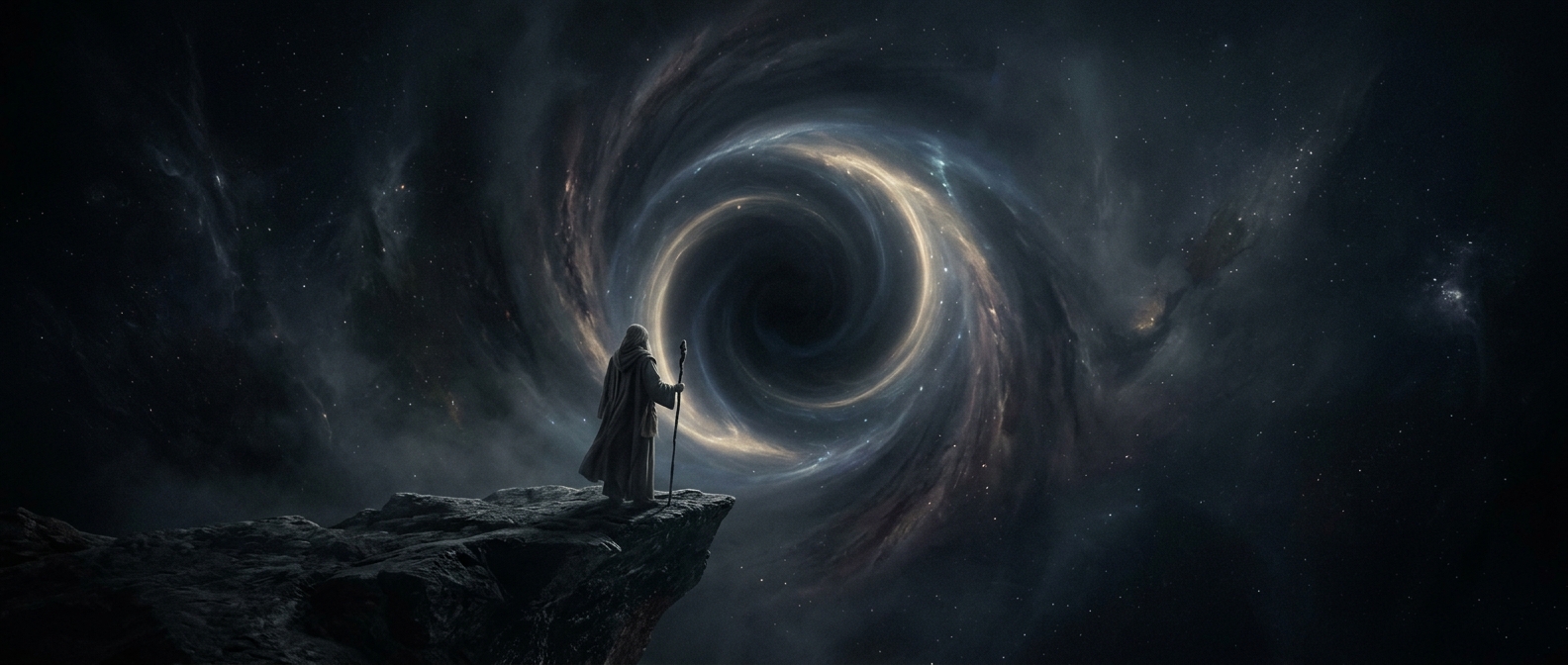
In some mystical and philosophical traditions, “nothingness” meant more than an empty space or a lack of things. It could describe an unmanifest state: reality before its distinct forms appeared, or a boundless ground from which those forms emerged. That idea makes the void generative rather than simply blank.
This is a metaphysical claim about what existence means, not a mathematical definition. Different traditions gave emptiness different meanings, so it should not be treated as one universal doctrine—or as proof that the universe literally began from mathematical zero.
From empty place to usable number
Mathematical zero answered a more practical question: what should a numeral system show when a place has no value? In a positional system, the position of a digit determines its worth. A zero can mark an empty place, distinguishing, for example, a number with no tens from one with no hundreds. Without that marker, written numbers become harder to read reliably.
Over time, zero also came to be treated as a number in its own right, with rules for using it in calculation. That shift—from signifying an empty place to participating in arithmetic—made it possible to represent absence precisely and manipulate it consistently.
The two ideas can sound similar because both concern what is not present. But their force is different: mystical voids can be imagined as a source of being, while arithmetic zero is a defined value within a system. The contrast is worth remembering: the same “nothing” can be a profound account of reality in one setting and a practical tool for keeping a numeral in the right place in another.