When a Feature Is Built In but Still Locked
A subscription can charge for more than a service delivered over time. In some cars, the heating elements for a seat are already installed, but software controls whether the driver can activate them. The recurring fee buys permission to use the feature—not the seat or its heater.
That arrangement turns a physical component into a continuing digital entitlement. The car’s software can check whether an account is authorized and enable or disable the feature accordingly. This is different from paying for a streaming library or cloud software, where ongoing access depends on a service being maintained and delivered. Here, the hardware is already inside the vehicle.
Why Companies Like the Model
A one-time sale brings in money once. A subscription can produce revenue for as long as a customer keeps paying, and software makes it possible to sell access without changing the hardware in each car. For a manufacturer, that can create a continuing relationship with the owner and a new source of income after the vehicle leaves the showroom.
The tradeoff is that customers may see the fee as paying repeatedly for something they have already bought. A monthly charge can also make the true cost harder to judge: a small recurring price may add up over years of ownership, while a buyer may not know whether the feature will remain available under the same terms.
Ownership Becomes a Question of Permission
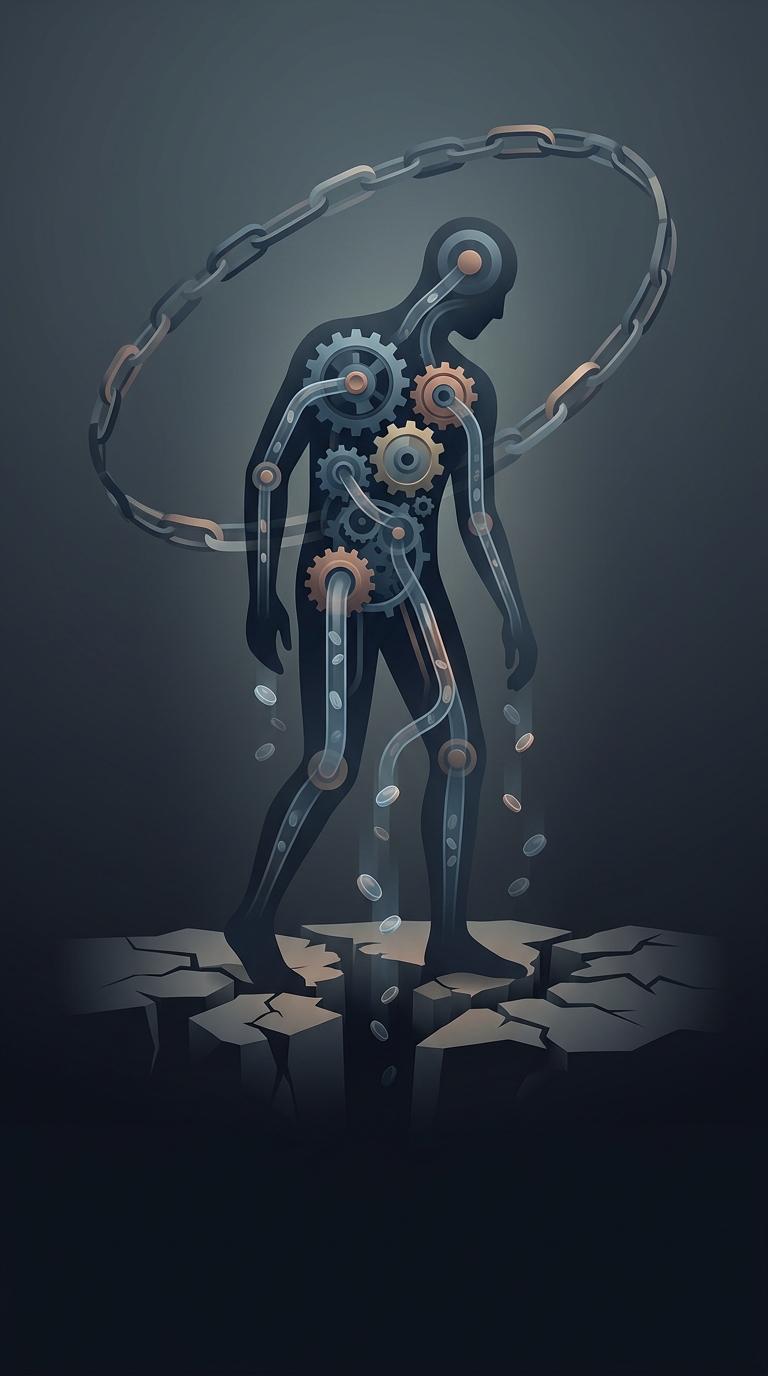
Subscriptions make the boundary between owning a product and accessing its functions less clear. A driver may own the car, yet the company’s software can determine which built-in capabilities are usable. That shift matters beyond heated seats: as products rely more on connected software, ownership can include the hardware while leaving some of its functions conditional on an account or payment.
The striking change is not that the seat itself is rented. It is that a familiar physical control can become a switch for a recurring business relationship.