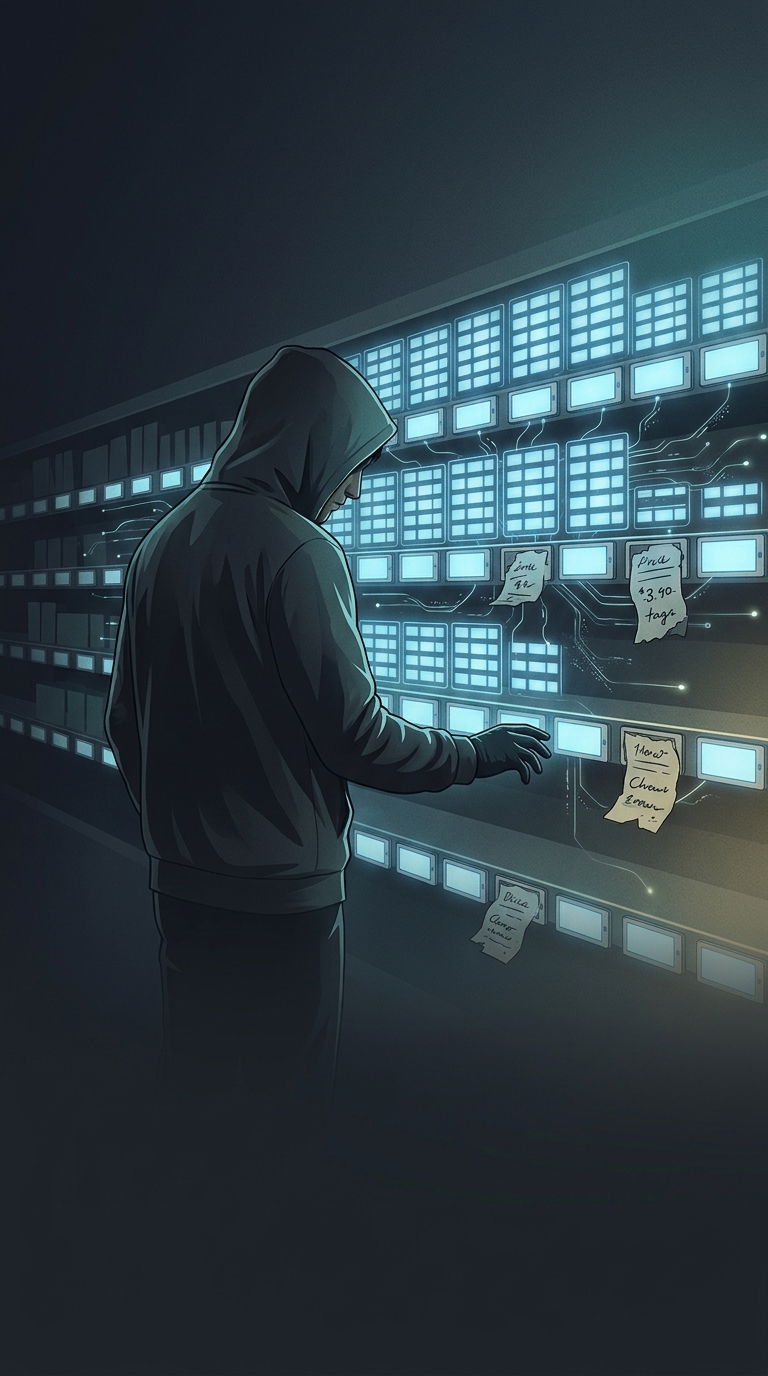
The hidden cost of a paper price tag
A paper label is cheap to print, but changing thousands of them takes time. When a grocery store adjusts prices or starts a promotion, employees may have to print new labels, find the right shelf positions, and replace the old ones. Missed or misplaced tags can leave shoppers seeing a price that does not match the checkout system.
Electronic shelf labels shift that work from the aisle to a store’s computer system. Each small display receives price information wirelessly, so staff can update many tags without walking shelf to shelf. That can reduce routine labor and help keep shelf prices aligned with the register.
Why stores pay for the screens
The displays and wireless network cost more upfront than paper labels, and the tags need batteries. Stores weigh that investment against repeated printing and replacement work, as well as the cost of price errors and delayed promotions. The technology is especially attractive in large stores, where a small task repeated across many shelves adds up.
The same system can make price changes easier to carry out, but that does not mean every store changes prices constantly. Electronic labels are a tool: managers still decide when prices change, and updates may follow ordinary schedules for promotions, costs, or inventory.
A faster update, with a visible consequence
Because prices can be changed remotely, a promotion can appear on the shelf without waiting for someone to replace a paper tag. That speed is useful—but it also makes accuracy and clear communication more important. A shopper may encounter a price that changed since an earlier visit, while the store gains a more direct way to keep the shelf display synchronized with the checkout price.