“Indestructible” Is a Promise With Limits
A chew toy has to balance two competing jobs: resist a dog’s teeth and still be usable as a toy. A material made extremely hard may last longer under chewing, but it can be less forgiving when bitten; a softer toy may feel more satisfying to chew but wear down sooner. Shape matters, too. Seams, thin edges, hollow sections, and protruding parts can give teeth a place to start tearing, even when the main material is tough.
That means durability is not a single property. A toy can withstand repeated chewing in one spot and fail quickly when a dog grips an edge or twists it. “Indestructible” is best understood as marketing shorthand, not a guarantee against every jaw, chewing style, or play session.
Why the Market Keeps Making Tough Toys
There is a clear incentive to sell toys that promise a longer life: owners would rather not replace a favorite every few days. But a toy that never gives way may not deliver the texture or movement a dog enjoys, while a toy designed to be appealing can be vulnerable to damage. Manufacturers are trying to find a workable middle ground, and owners often have to choose between toughness, feel, shape, and price.
The label also cannot capture how differently dogs use toys. One dog may carry and gently mouth a toy; another may clamp down, brace it with its paws, and pull. A product that lasts for the first dog may be quickly dismantled by the second. Size and chewing style therefore matter as much as the material name on the package.
When a Toy Starts to Fail
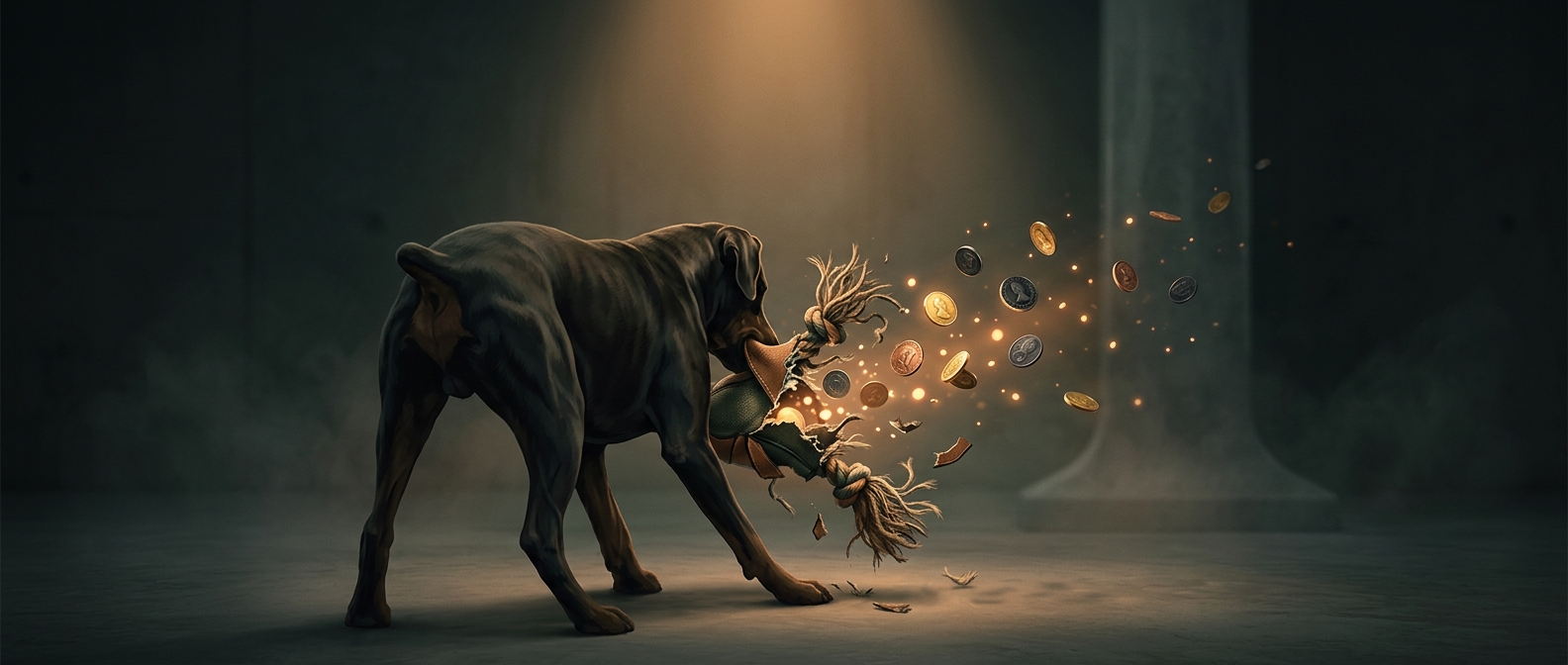
Damage changes the practical tradeoff. A torn or broken toy may expose pieces a dog can swallow, so a toy that once seemed sturdy can become unsuitable as it wears. The useful question is not whether a toy can ever be destroyed, but whether it is holding up to this dog’s actual play—and whether it should be taken away once it is not.