Names made a difficult system easier to use
IKEA’s naming system is often traced to a practical problem: founder Ingvar Kamprad, who had dyslexia, found it difficult to keep track of products by strings of numbers. Names offered a more memorable alternative. Instead of asking people to remember a code, the company could give a product a word that was easier to recognize and discuss.
That shift mattered in a business where customers encounter hundreds of products across catalogs, showrooms, packaging, and instructions. A name can help a shopper remember a bed seen on a showroom visit—or ask an employee about it—without recalling its item number. The name does not eliminate the need for precise product records: retail systems still need codes to distinguish items, sizes, and variations. Names make the range more human-readable; codes make it manageable in the back end.
A naming map, not a random word list
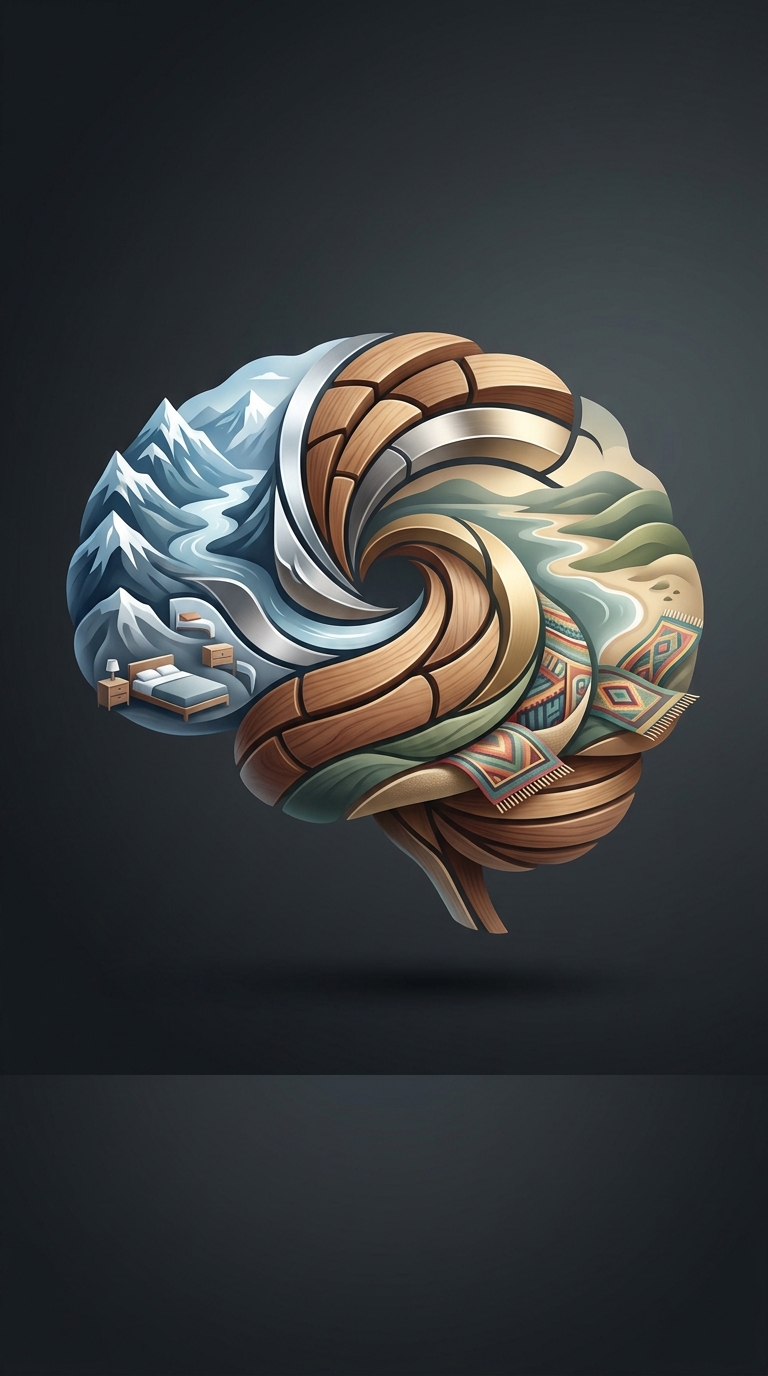
IKEA organizes names by product type. Beds, for example, are named after Norwegian places, while rugs take names from Danish places. Other categories draw on different kinds of words, including Swedish and Scandinavian place names. This gives the vast catalog a loose internal map: a product’s name can hint at what kind of thing it is, even before a customer learns the specific range.
The structure also turns a personal workaround into a repeatable company convention. Without category rules, names could become confusing as the catalog grew. With them, staff can choose names from defined pools and customers encounter a pattern across stores and product lines. The system’s quirks—especially names that are unfamiliar or hard for international shoppers to pronounce—are a tradeoff for a vocabulary that is distinctive and easier to remember than a shelf full of codes.
The small idea behind a large operation
A naming convention cannot, by itself, explain IKEA’s business success. Its value is more modest and more concrete: it helps people navigate a large assortment while giving the company a consistent way to label products. A founder’s difficulty with numbers became a design constraint, and the constraint produced a system customers can recognize across the catalog. Even when a shopper cannot say a rug’s name confidently, they may remember that it was the Danish-place-name one.