Why Milk Is Often Far from the Entrance
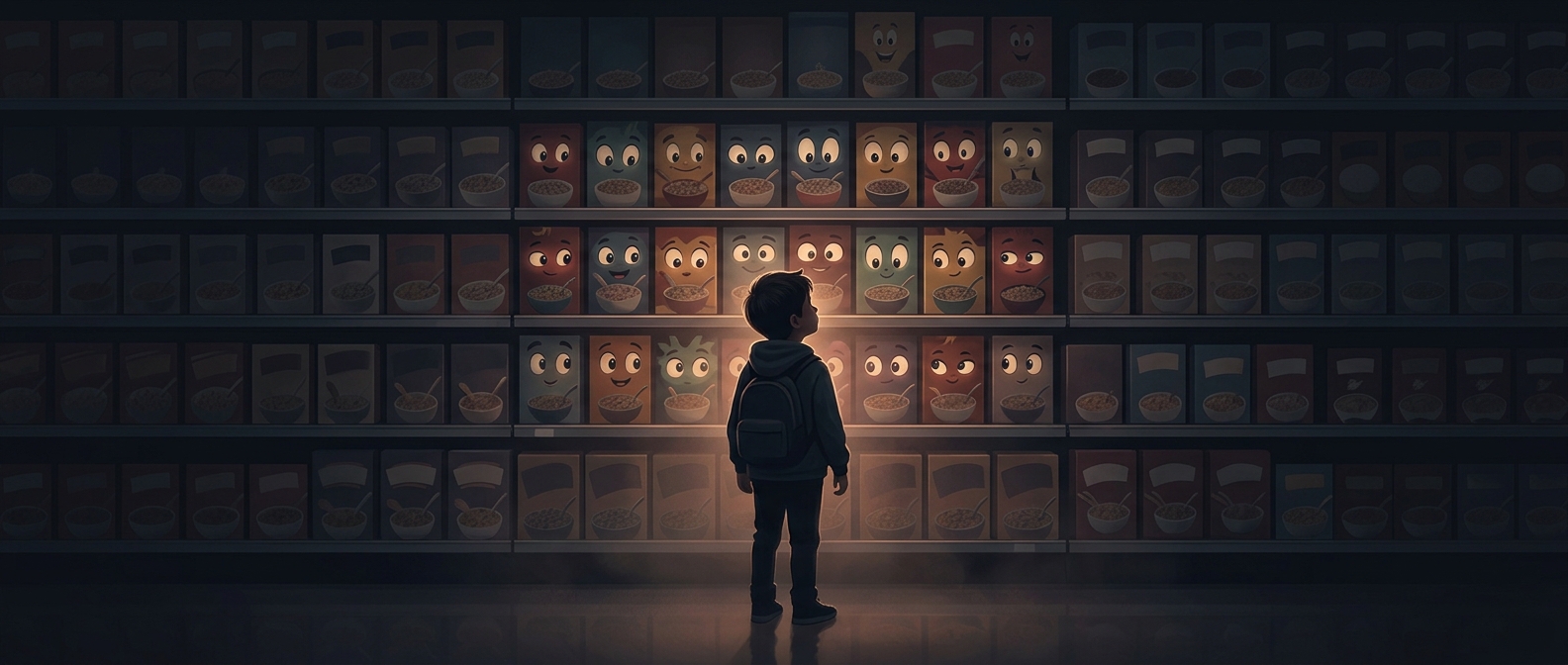
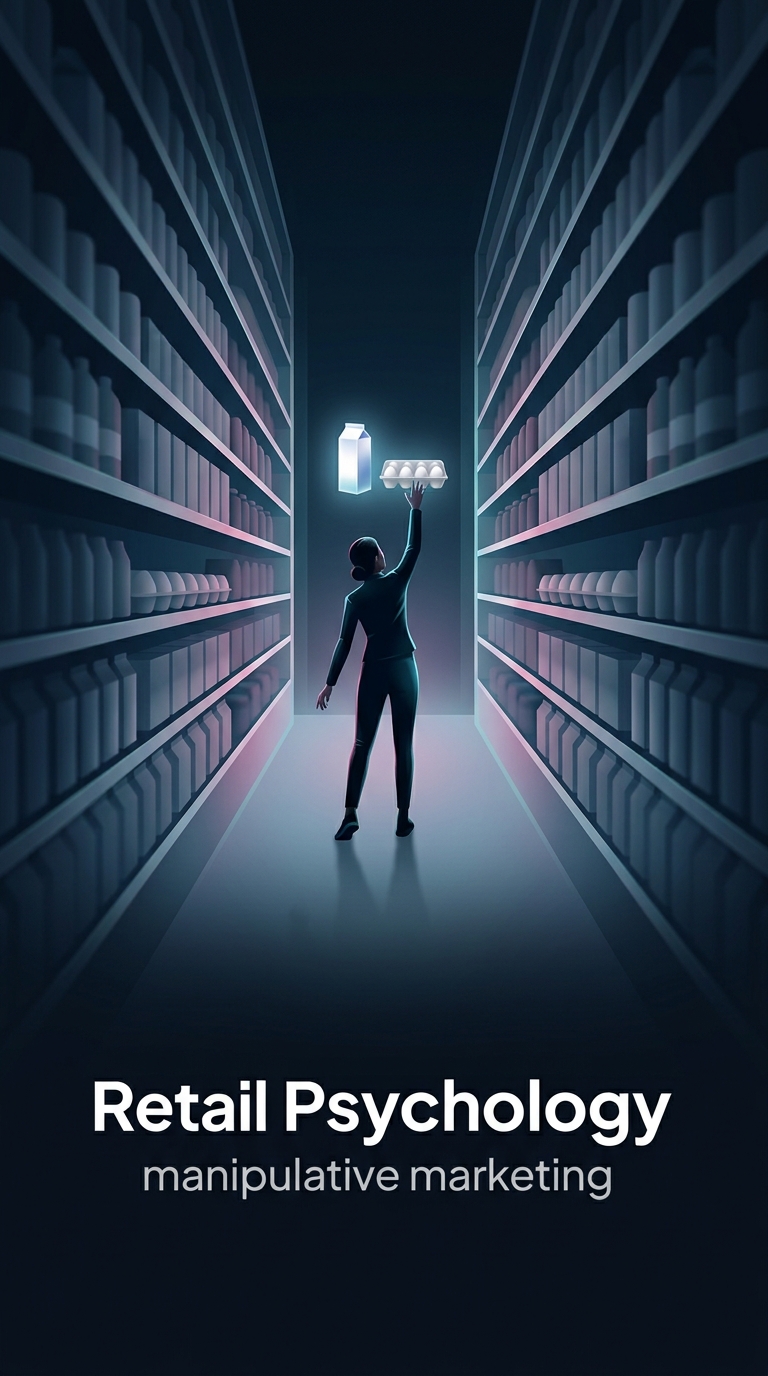
Milk is a frequent stop on a grocery trip, so placing it near the back can make shoppers pass other aisles on the way to it. That creates more chances to notice—and add—items that were not on the list. The layout is a form of store design that turns foot traffic into shopping opportunities, not proof that every shopper will buy more.
A Practical Layout With a Sales Benefit
There are operational reasons for keeping milk in a rear dairy area, too. Refrigerated products need cold storage, and stocking them involves moving cases from refrigerated delivery and storage areas to the display. A back-of-store location can fit that workflow. Retailers may also place other everyday essentials along the route, spreading traffic through the store rather than crowding the entrance.
Eggs are less consistent: depending on the store, they may be near milk, in another refrigerated case, or elsewhere in the dairy section. Store layouts reflect building constraints and stocking routines as well as merchandising choices.
The Trade-Off for Shoppers
A longer route can expose customers to more products, but it also costs time and can be frustrating for someone who wants only one item. The arrangement works as a sales tactic precisely because it blends into an ordinary shopping trip: a practical trip to the cold case may take you past several tempting displays before you reach it.