Five points, five parts of a symbolic world
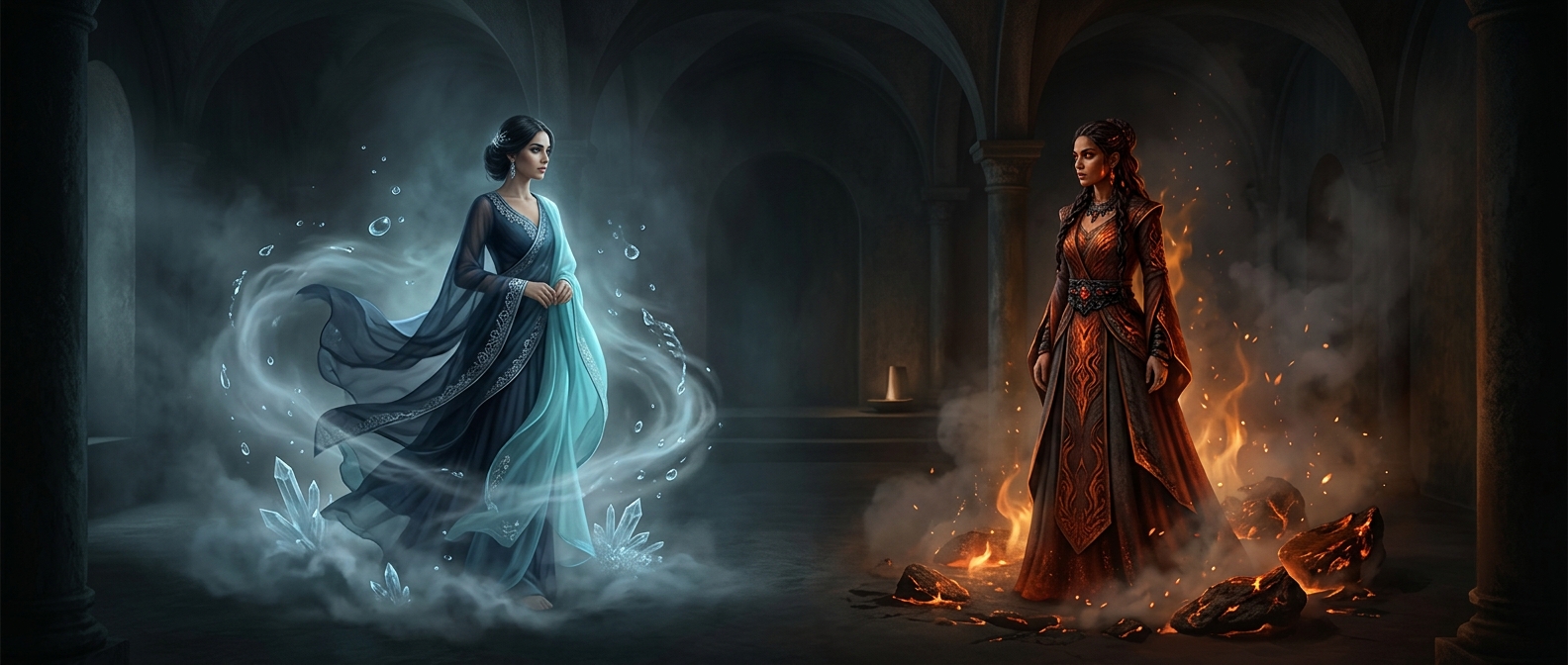
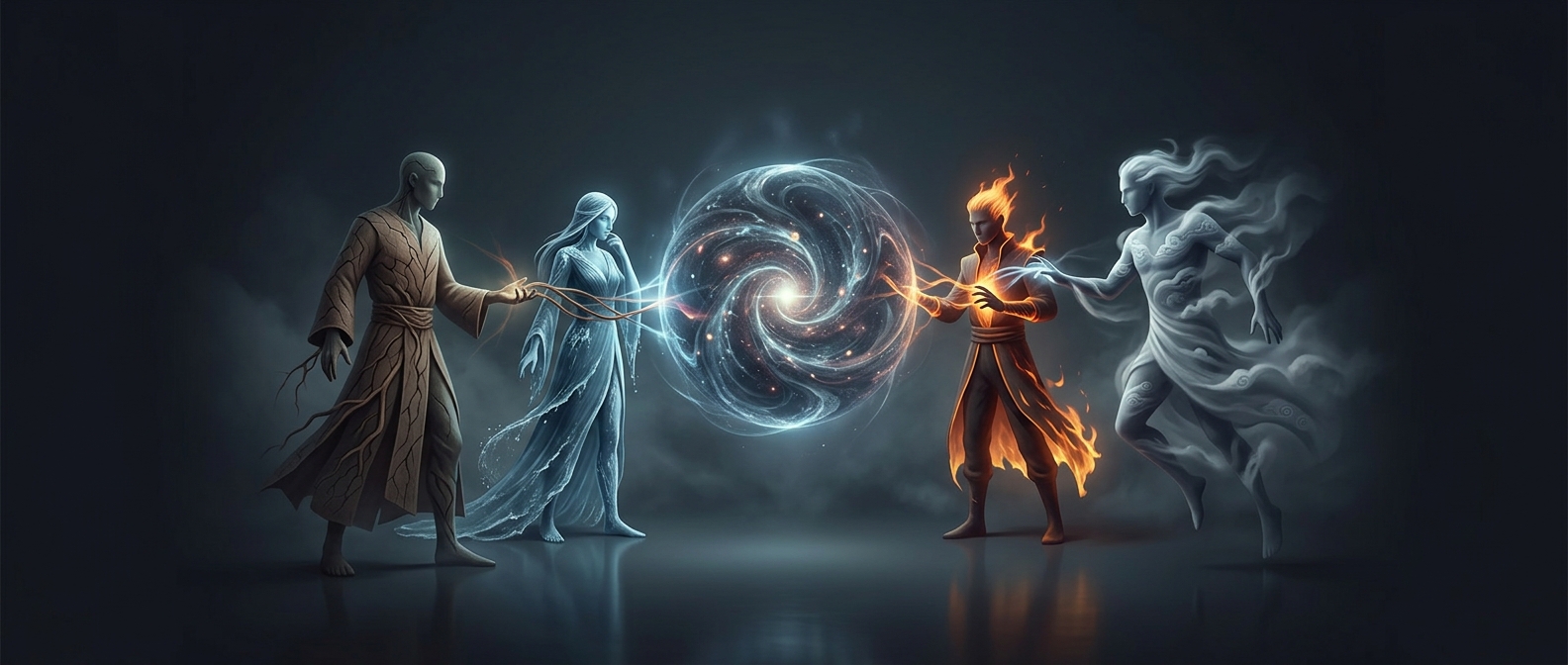
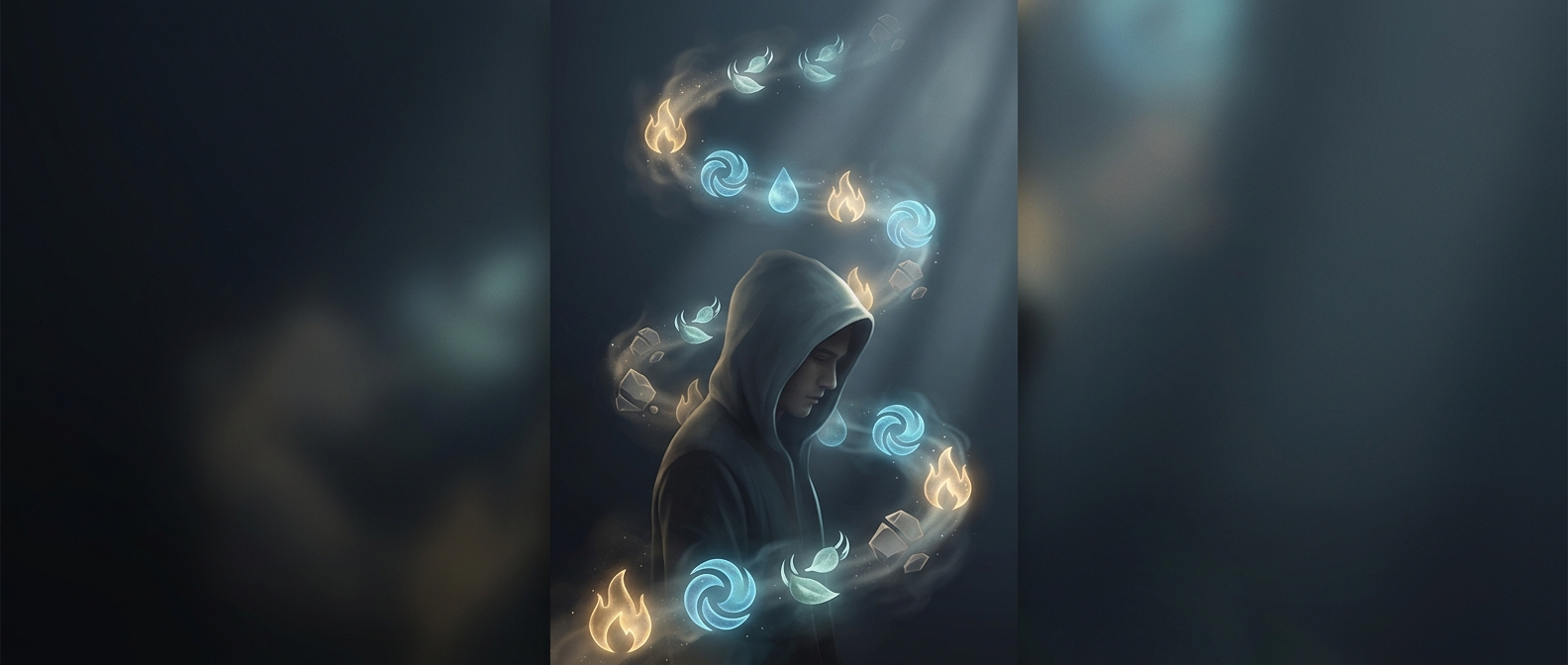
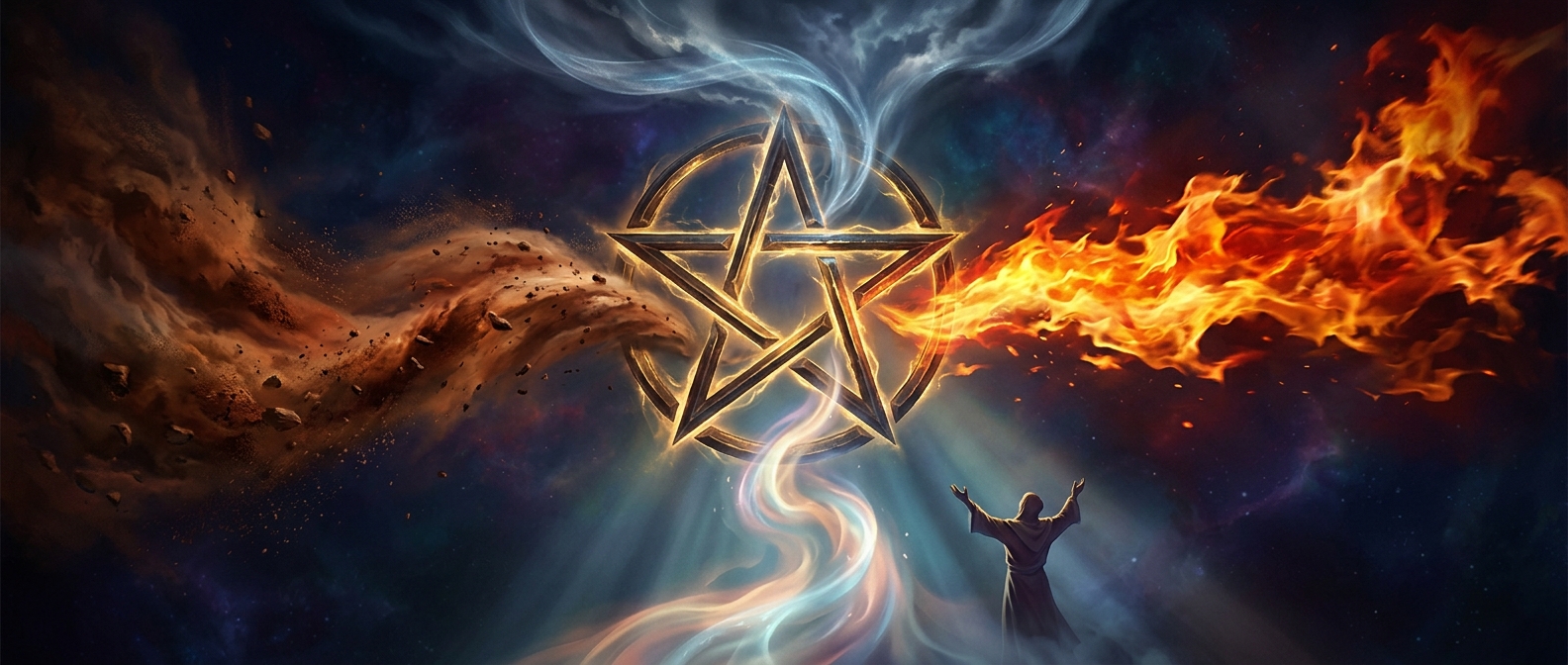
In many Western occult traditions, the pentagram’s five points stand for earth, air, fire, water, and spirit. The first four were understood as basic qualities of the material world; spirit represented the animating or guiding principle that brought them together. The symbol could therefore suggest not simply a collection of elements, but an ordered whole.
The exact interpretation depends on the tradition. Some diagrams assign particular elements to particular points, while others emphasize the star’s overall shape. In one common reading, an upright pentagram places spirit above the material elements, expressing their guidance or integration. It is a symbolic arrangement, not a claim that nature is literally made of five substances.
The body as a small universe
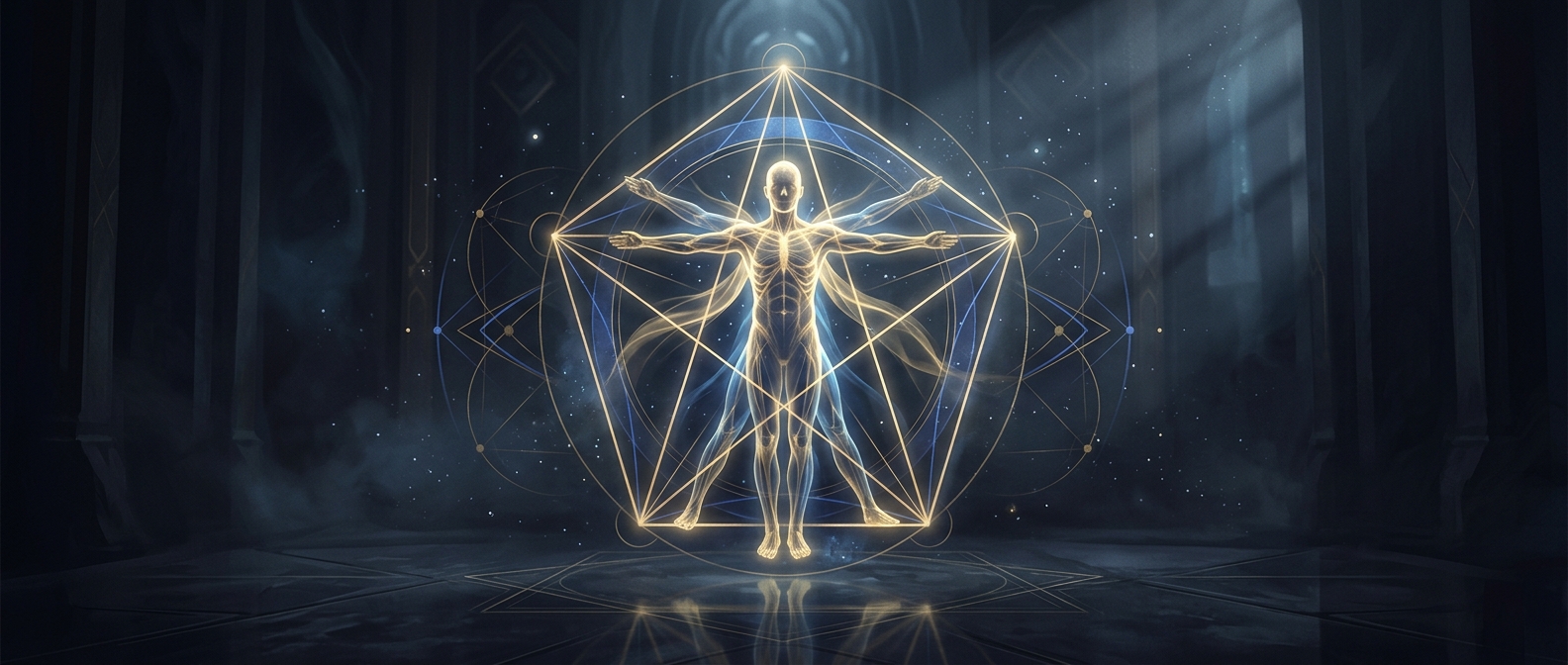
The star’s branching outline also lends itself to a human figure: one point for the head, two for outstretched arms, and two for the legs. That correspondence links the person to the larger world represented by the elements. In this view, mastering the elements means cultivating balance among the forces they symbolize—and understanding oneself as part of that balance.
This is why the pentagram can carry both personal and cosmic meaning. Its five points make an abstract idea visible: a human being, or the world, held together through relationships among distinct parts.