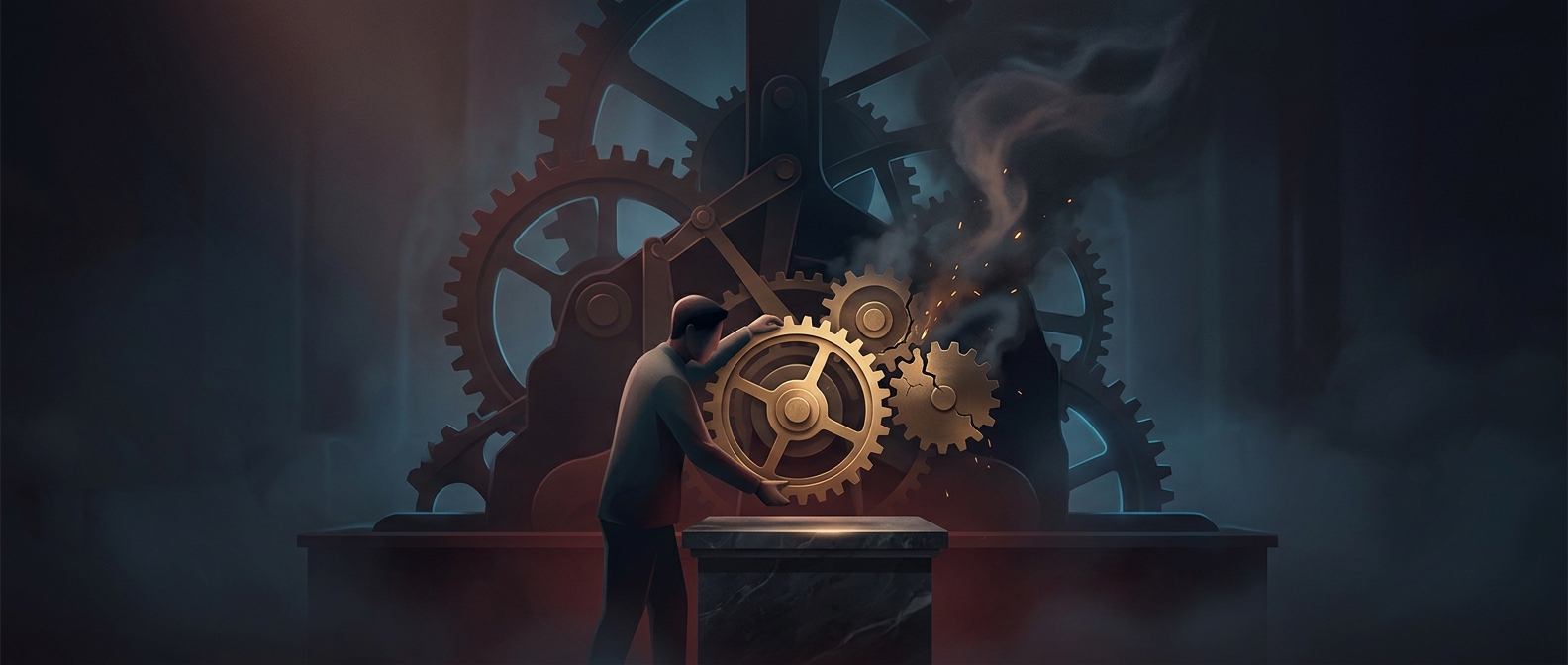
How Rigid Jobs Can Erode a Worker’s Sense of Worth
A job is not only a way to earn a living; it can also offer chances to make decisions, use skill, and see the results of one’s effort. When work is divided into tightly scripted steps, those chances shrink. A worker may be expected to repeat one motion or follow a fixed procedure without being able to adjust it—even when experience suggests a better way.
That loss of discretion can make the person feel less like a capable contributor and more like an extension of the process. The task still requires effort, but the worker has little authority over how that effort is used.
Why “Anyone Could Do It” Has Consequences
If a role is designed so that almost no judgment is needed, management may focus on filling the position rather than recognizing the person doing it. Workers can then be treated as easy to replace, especially when their performance is measured mainly by speed, attendance, or output. Those measures may help coordinate a workplace, but they do not capture every form of skill or care involved in doing a job well.
The result is not simply boredom. Limited control can also make it harder to take pride in a task, raise concerns, or feel responsible for the quality of the final product. When a worker’s knowledge is ignored, the message can be that their judgment—and, by extension, their contribution—does not matter.
The Difference a Small Choice Can Make
Rigid procedures may serve real purposes, such as keeping work consistent or safe. But standardizing a task does not require removing every opportunity for input. Letting employees flag problems, suggest improvements, or make reasonable choices about the order of their work can restore some ownership without abandoning shared standards.
That matters because dignity at work is often shaped by ordinary interactions: whether someone is listened to, trusted to notice a problem, and credited for doing the job well.