Turning Tiny Sounds Into a Theme
The original Doctor Who theme was built less like a performance and more like a miniature sound factory. At the BBC Radiophonic Workshop, Delia Derbyshire transformed recorded sounds into musical material, then assembled that material on magnetic tape. The composer Ron Grainer supplied the tune; Derbyshire realized it as an electronic piece.
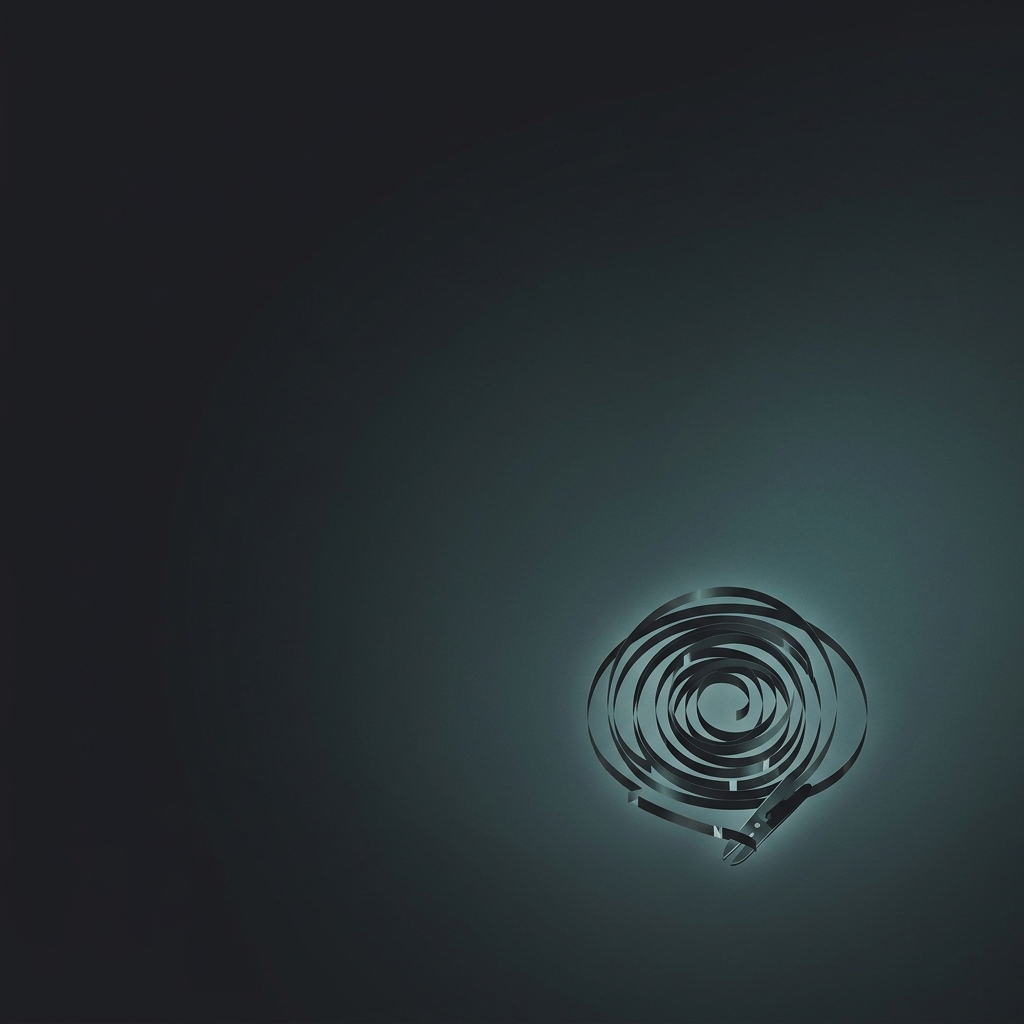
A tape loop is a strip of recorded tape joined end to end, so it plays the same sound repeatedly. By cutting recordings into short pieces and joining them in different patterns, Derbyshire could make a sound repeat with a regular pulse—or isolate a brief sound to use as a single note. Changing playback speed also changed a sound’s pitch and duration, while filters could reshape its tone.
Why Two Minutes Took Weeks
There was no single keyboard performance to record. Each sound had to be made or selected, captured, edited, and fitted into the arrangement. A note that a musician might play in an instant could require its own prepared tape segment. Those segments then had to be lined up and combined with other recorded layers.
Tape editing made the process exacting: a cut in the wrong place could interrupt a sound or throw off its timing. And unlike editing a digital file, rearranging the music meant physically handling the recorded tape. The finished theme depended on many small pieces behaving like one continuous performance.
An Electronic Sound Made by Hand
The result feels futuristic partly because its sounds do not behave like a conventional orchestra. But the method was intensely physical: listening, cutting, joining, and replaying tape until the separate fragments formed a coherent theme. The weeks of work were hidden in a recording that lasts only about two minutes—an early reminder that electronic music can be assembled as carefully as it can be played.