A shoreline drawn in sand
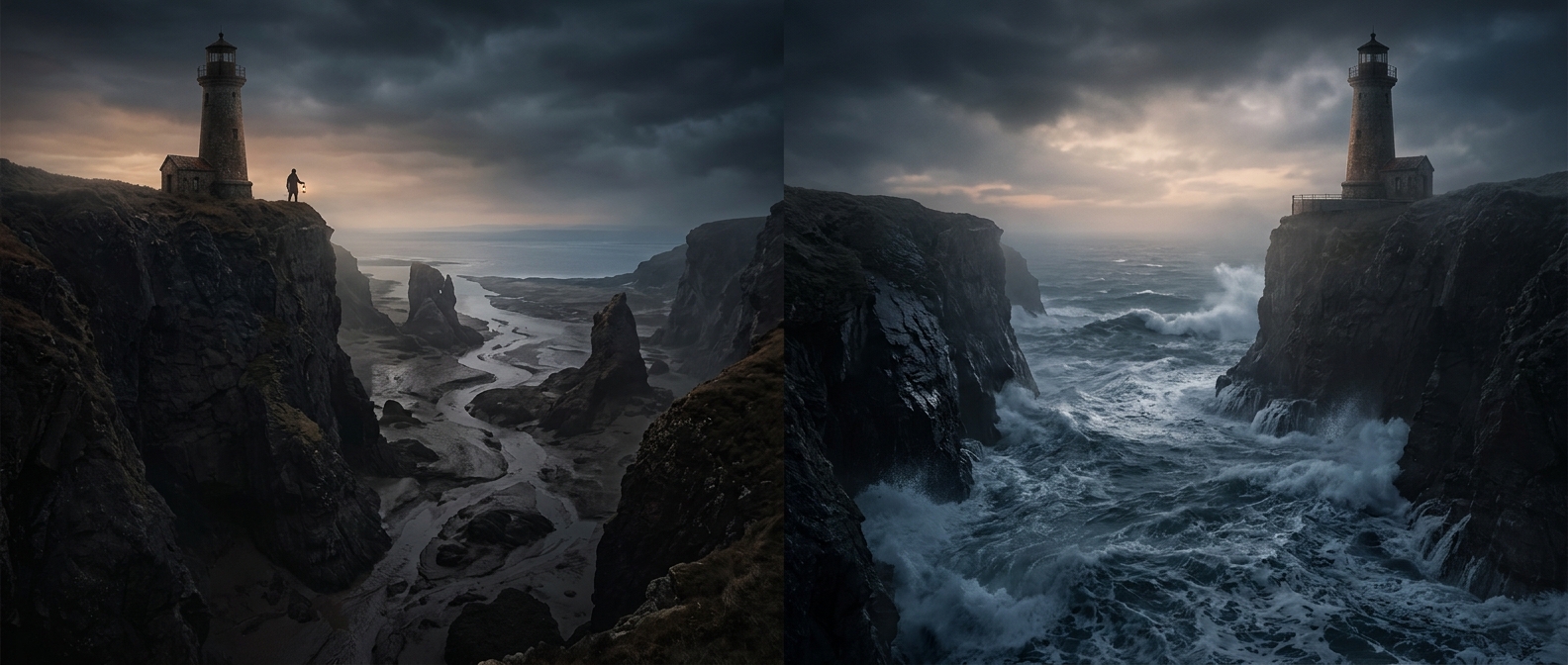
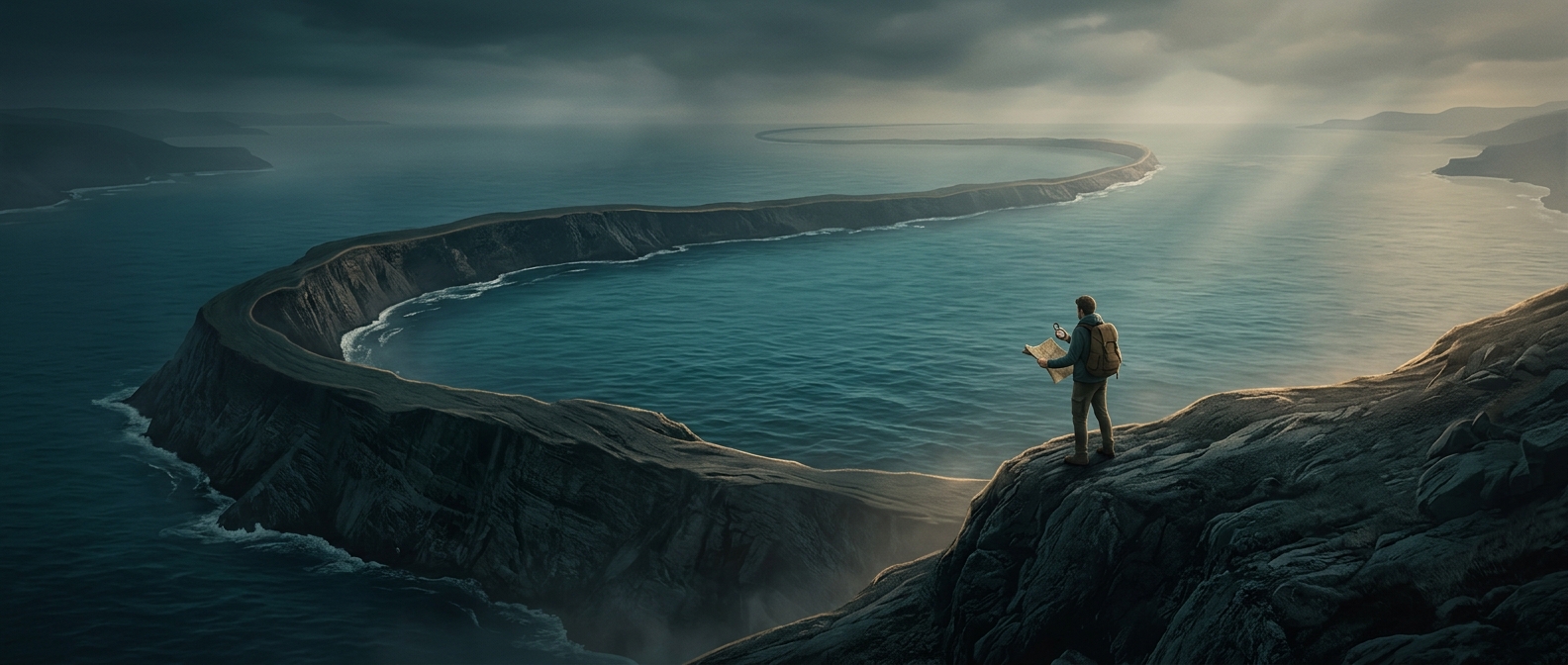
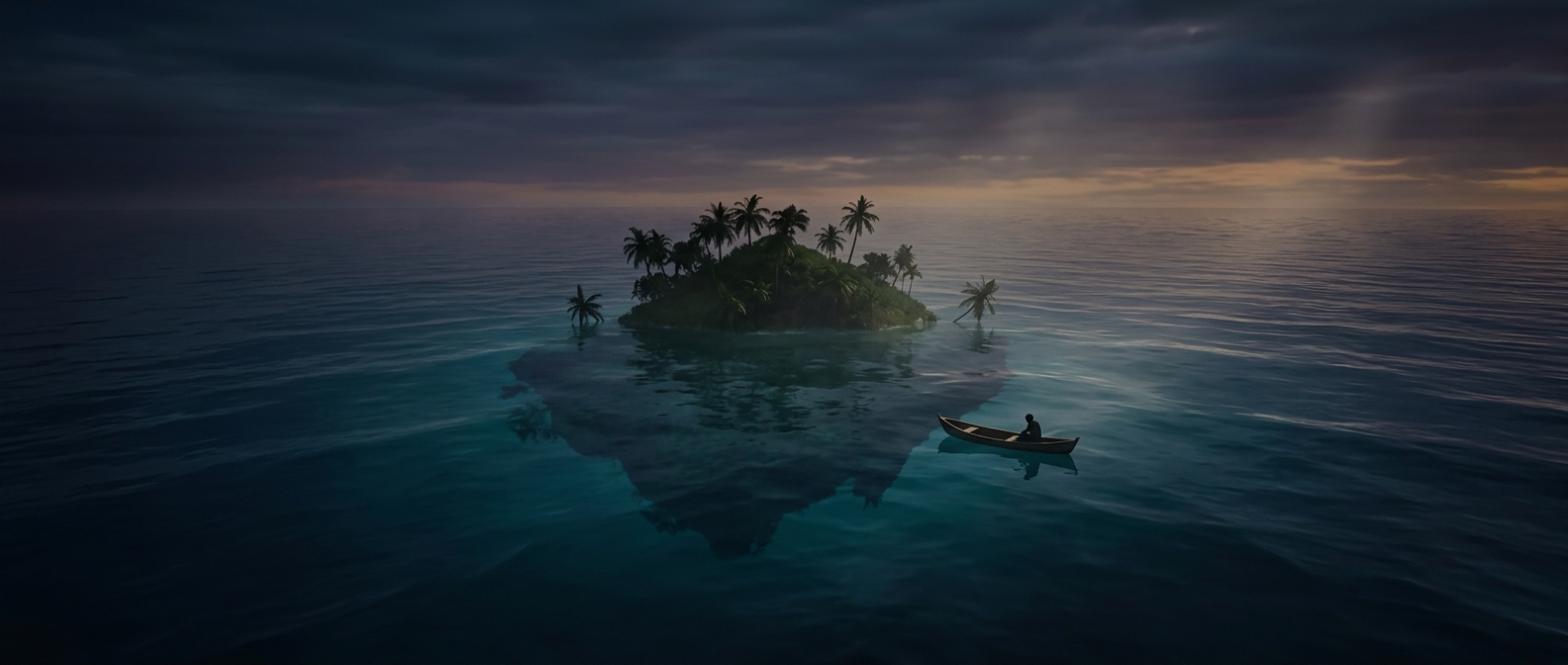
A sandbar can look like an island when the water is high enough to surround it, but its shape is built from loose grains rather than solid rock. Waves and currents push sand into shallow ridges; as the tide rises, seawater spreads over the ridge and hides its surface. When the water falls, the same shallow ground emerges again.
The tide is the changing level of the sea, driven mainly by the Moon’s gravitational pull, with the Sun also contributing. In places with two high tides and two low tides each day, a bar may be covered and uncovered twice in a roughly daily cycle. The exact timing and exposed area depend on the local coast and the height of each tide.
A temporary island, not a fixed one
Even when the water retreats, the bar is not necessarily in precisely the same shape. Waves and currents continually shift its sand, building one edge while eroding another. A route across it that is exposed at one low tide may be shallower, narrower, or under water later.
That makes the changing shoreline more than a visual trick: the apparent island is a moving feature of the coast, and its brief appearance depends on both the tide and the shifting sediment beneath it.