The garment is an image asset
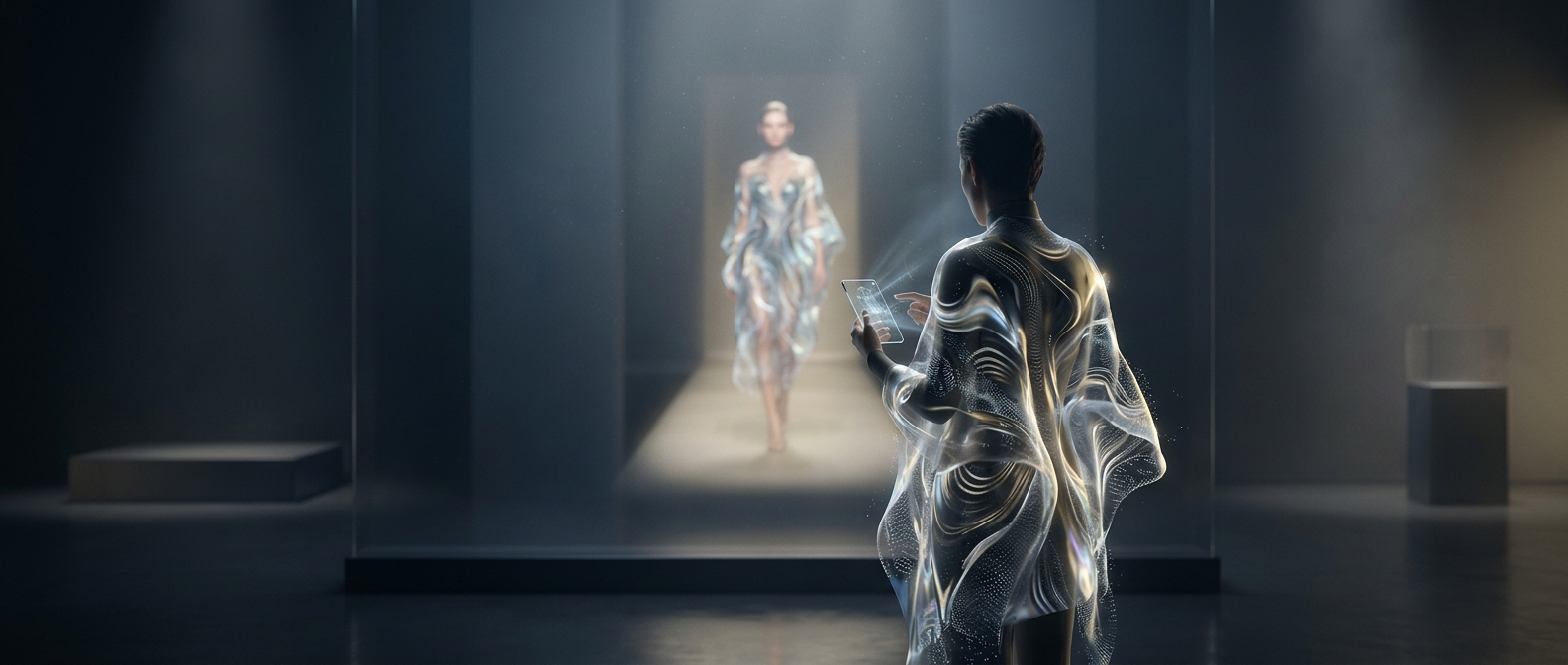
A digital-dress service sells a finished appearance rather than a wearable product. A customer supplies a photograph, and an editor or software places a designed outfit into it, matching the body’s outline, pose, and the scene’s light and shadows. The result can look like a new portrait without anyone making, shipping, or storing the pictured garment.
That changes what the business has to produce. A physical fashion item must work on a body and survive use; a photo-only outfit mainly has to look convincing from the angle and at the resolution shown. The design can therefore be dramatic or impractical in real life. The tradeoff is that the image must blend naturally: a sleeve that ignores an arm’s position or fabric that does not follow the pose can make the edit obvious.
Paying for the appearance, not the use
The customer’s value is tied to where the image will be seen—perhaps a profile, a celebration post, or a personal keepsake—not to wearing the clothes afterward. That can make an elaborate look accessible without the expense and effort of acquiring the actual outfit, while leaving the customer with no garment to reuse or alter.
For the seller, the product is a digital deliverable, so there is no clothing inventory to fit across sizes or send to each buyer. The work instead shifts toward design, image editing, and making the result suit the particular photograph. The central economic difference is simple: the buyer pays for how the outfit appears in one image, not for ownership of the outfit itself.