Why an image can travel faster than its creator can respond
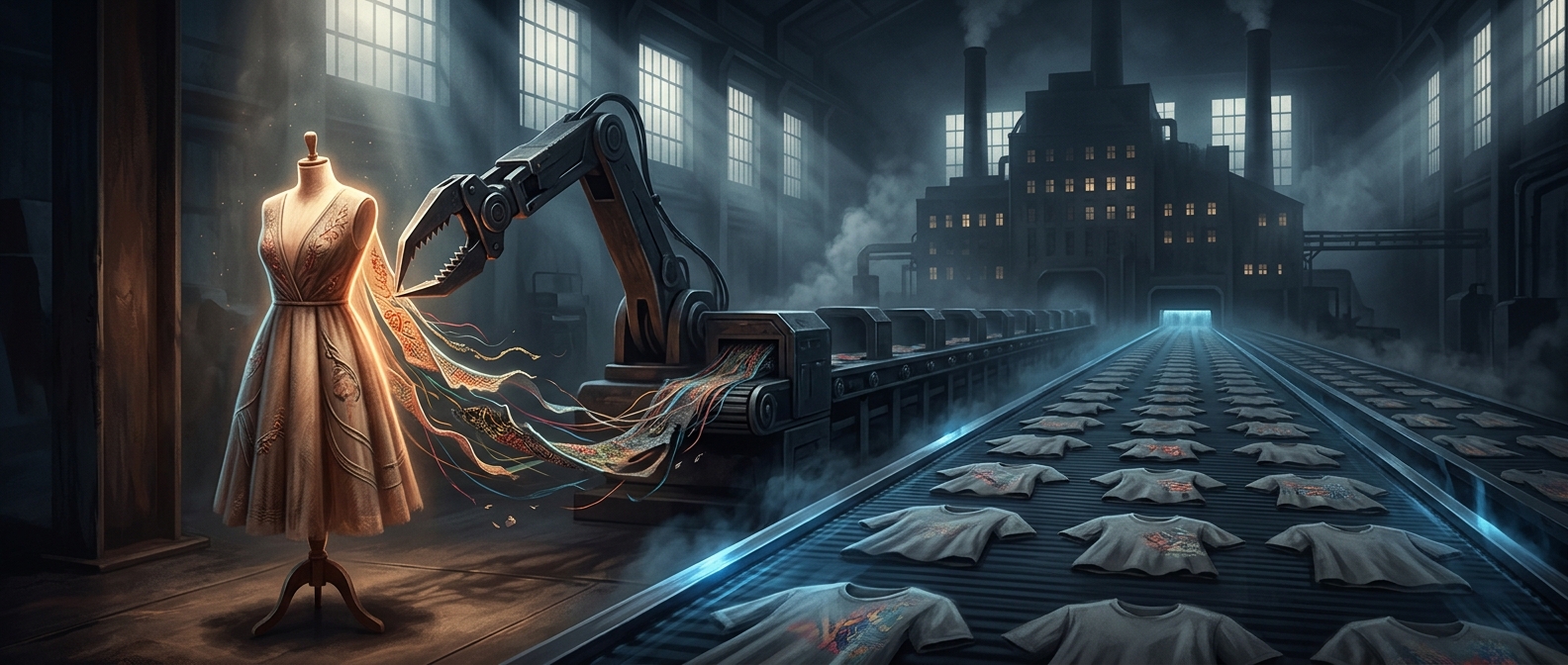
A design posted online can be saved, shared, and passed along without the artist’s knowledge. For a retailer trying to fill a steady stream of new product listings, that visibility can make independent work easy to spot and adapt. Once a design appears on a mass-produced garment, the company can sell many copies while the artist is left trying to identify who made the decision and where the goods are being sold.
The underlying economic mismatch is stark: copying a visual idea can take little time, but challenging its use can demand research, legal advice, and sustained effort. A company has more resources to manage disputes; an individual artist may have to do that work while continuing to earn a living.
The legal question is more specific than “they used my idea”
Copyright generally protects an artist’s original expression—the particular way an image is drawn or composed—not a broad theme, style, or subject. That distinction matters when a garment resembles an artwork: the dispute may turn on how much of the specific image was reproduced, who owns the rights, and what evidence connects the product to the original work. Similarity alone does not settle every case.
Even when an artist believes the use is unlawful, proving and pursuing a claim can be difficult. They may need to preserve dated versions of the work, document the product and seller, and identify the company responsible. A complaint or takedown request can be a first step, but it does not guarantee that a product will disappear everywhere or that the artist will be paid.
The cost of enforcement changes the bargain
For a retailer, a design can be one item among many; for its creator, it may represent years of practice and a significant share of their income. If the likely cost of fighting exceeds what the artist could recover, the company may face little practical pressure even where the artist has a strong objection. The result is an imbalance not only in who can reproduce an image, but in who can afford to make the other side stop.