Why the First Quarter Moon Became a Symbol of Pressure
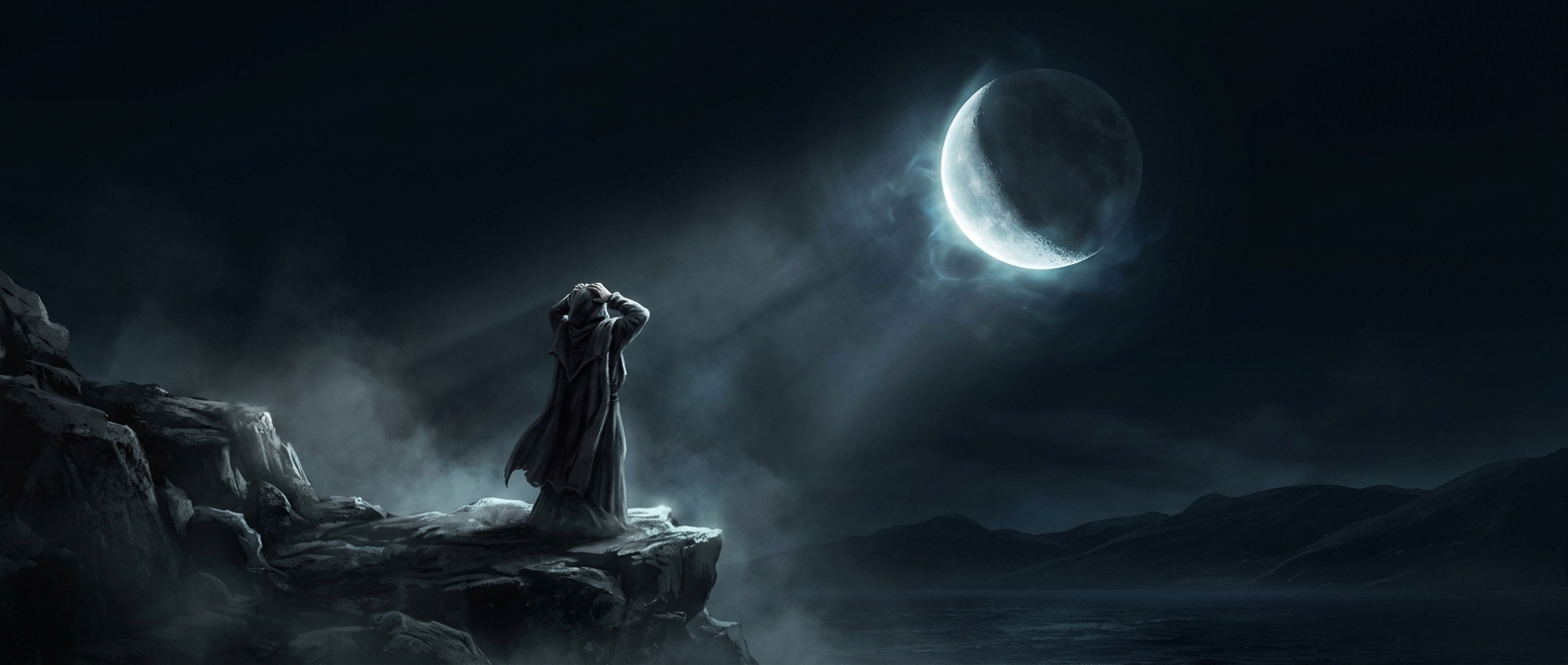
In astrology, the First Quarter Moon marks a turning point in the lunar cycle: the Moon is growing brighter, but it is still only partly illuminated from Earth’s perspective. Astrologers read that halfway-looking appearance as a symbol of movement meeting resistance. A new intention has begun, yet it may now have to contend with obstacles, competing priorities, or the need to choose a direction.
What the “crisis” means in astrology
The word crisis here usually means a moment that demands a response, not necessarily a catastrophe. In astrological practice, the square—a 90-degree relationship between two points in a chart—is treated as tense because it represents forces that do not easily work together. Applied to the Sun and Moon, that geometry becomes a metaphor for friction between conscious aims and changing needs.
That symbolism can turn the phase into a prompt to act: revise a plan, face a practical snag, or decide what deserves effort. It does not mean the sky compels anyone to panic or guarantees a particular event. The pressure is part of the interpretive framework, not a prediction built into the Moon’s physical light.
A phase with a built-in sense of momentum
The Moon continues waxing after the First Quarter, moving toward fullness. That visible increase in light gives the astrological reading its distinctive tension: the process is underway, but unfinished. The memorable idea is not that a crisis must happen, but that this phase represents the point when an intention has to meet the real work of carrying it forward.