Why the Moon Becomes a Sliver
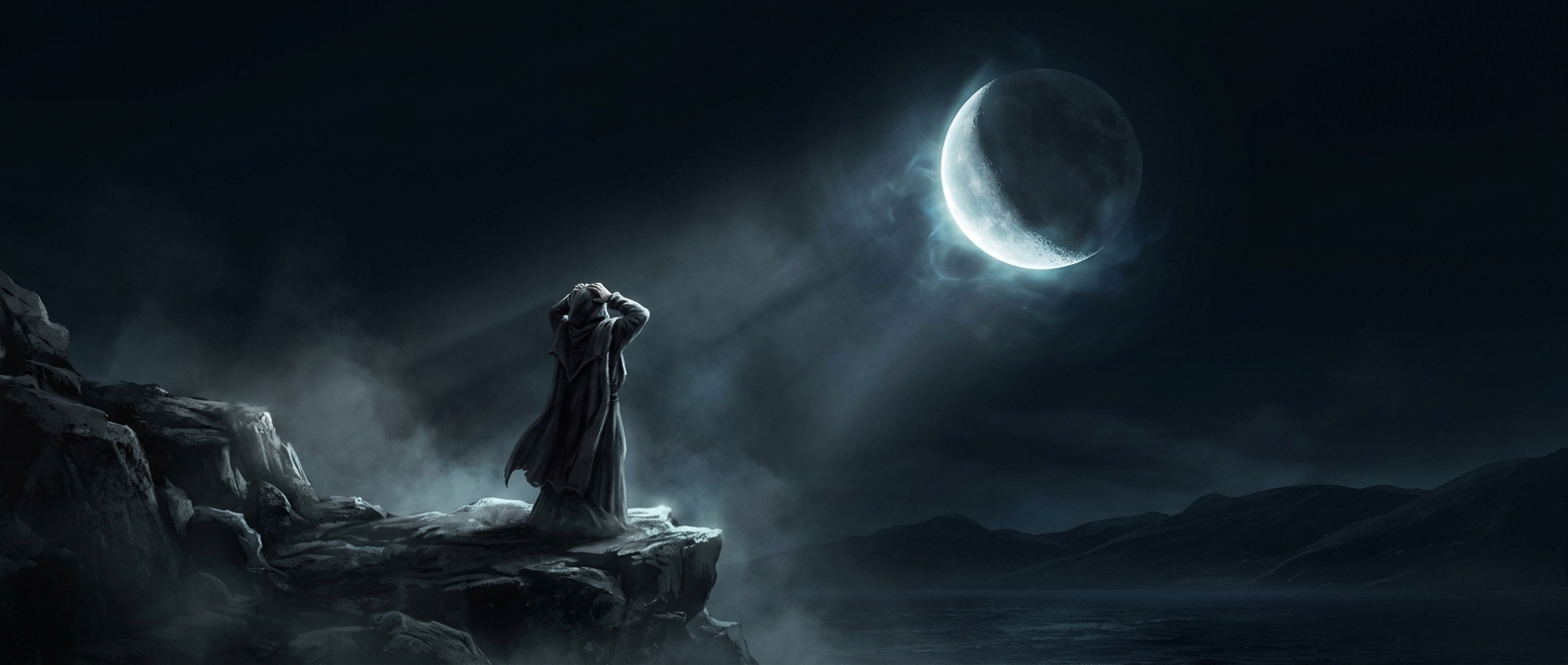
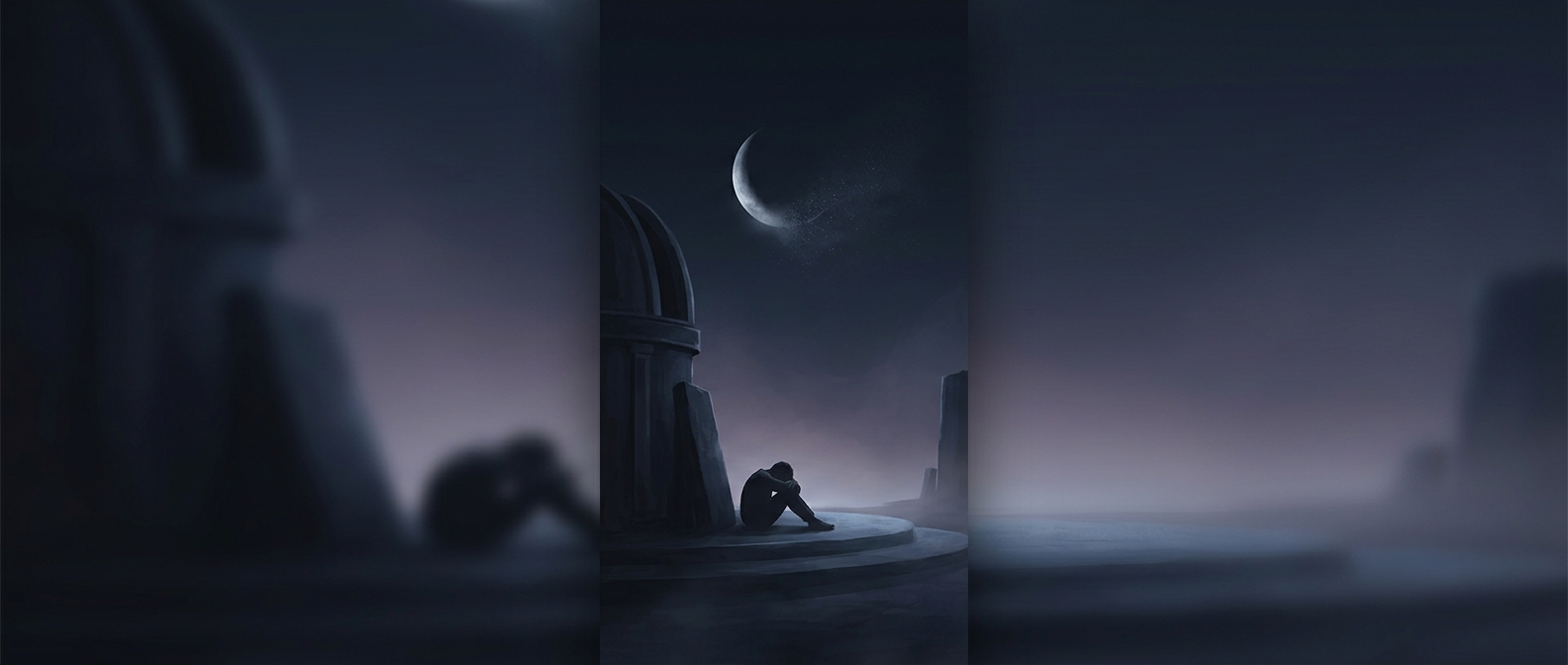
In the days before a new moon, the Moon is still lit by the Sun, but from Earth we see only a narrowing crescent. It is moving closer to the Sun in the sky, so the bright part increasingly turns away from our view. This final waning stretch is called the balsamic phase in astrology.
What “Letting Go” Means in Astrology
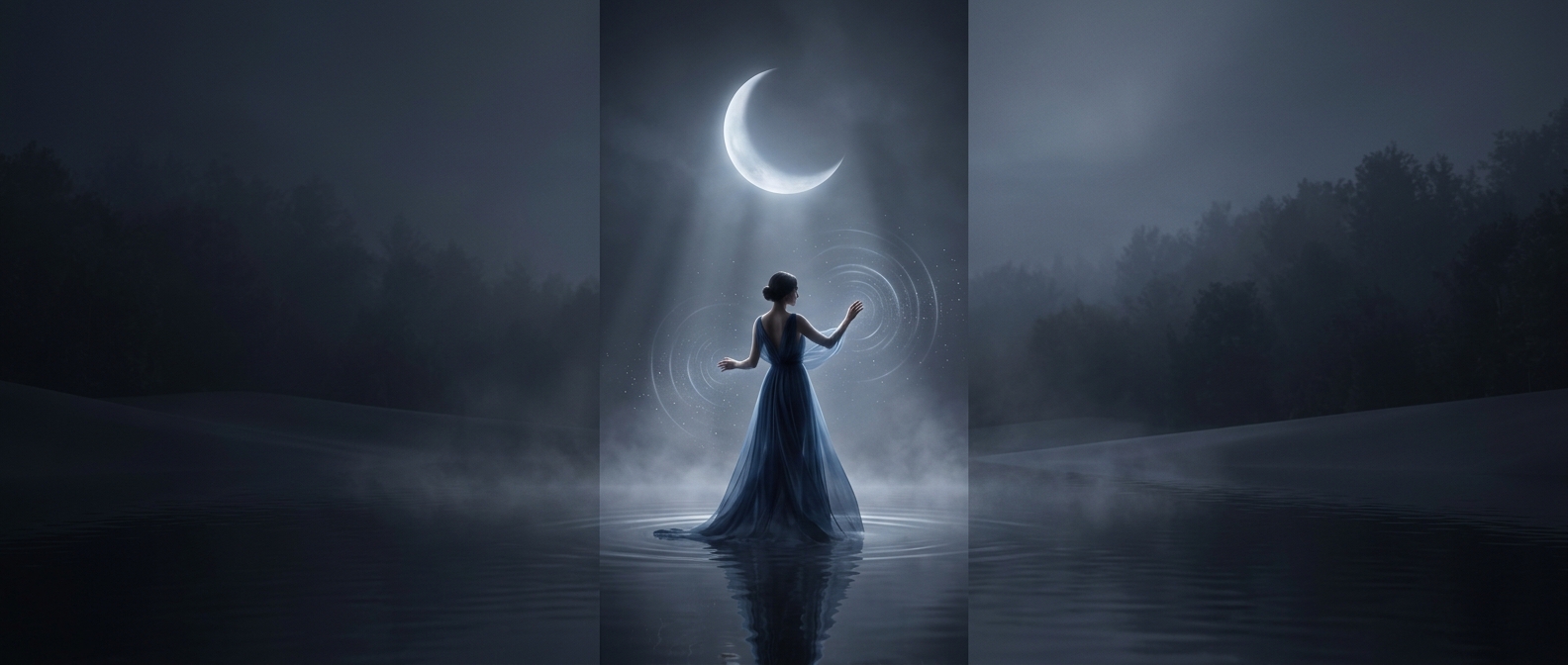
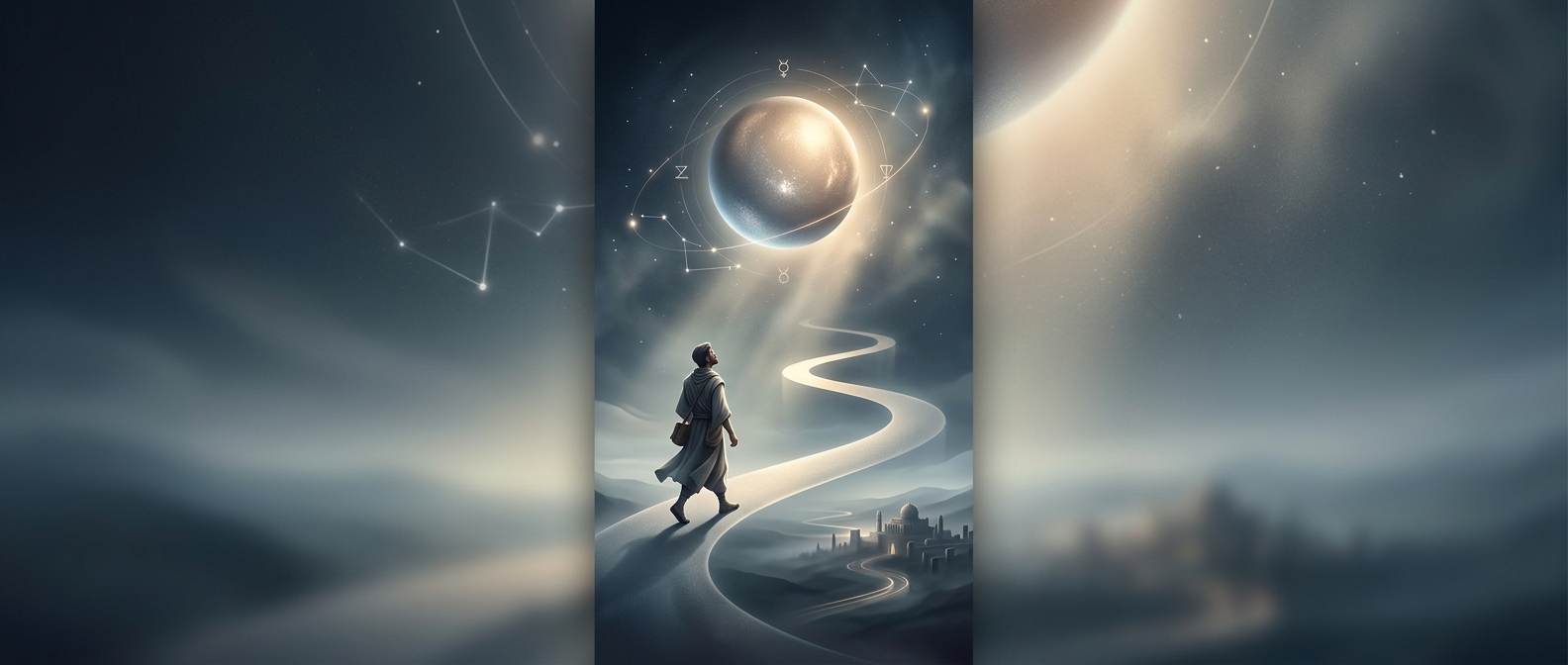
Astrologers treat the lunar cycle as a rhythm: the new moon begins a phase of growth, while the full moon marks its peak. The balsamic phase is the winding-down interval before that cycle starts again. Its language of closure and release describes a symbolic mood—reviewing what has run its course, easing off, and making room for a fresh start.
Within that reading, exhaustion can be understood as a cue to slow down rather than push for one more burst of productivity. The association is interpretive, not a claim that the fading crescent itself drains the body. What makes the image memorable is its timing: just before the Moon disappears from view, astrology places emphasis on finishing, resting, and clearing space.