A summit that withheld the view
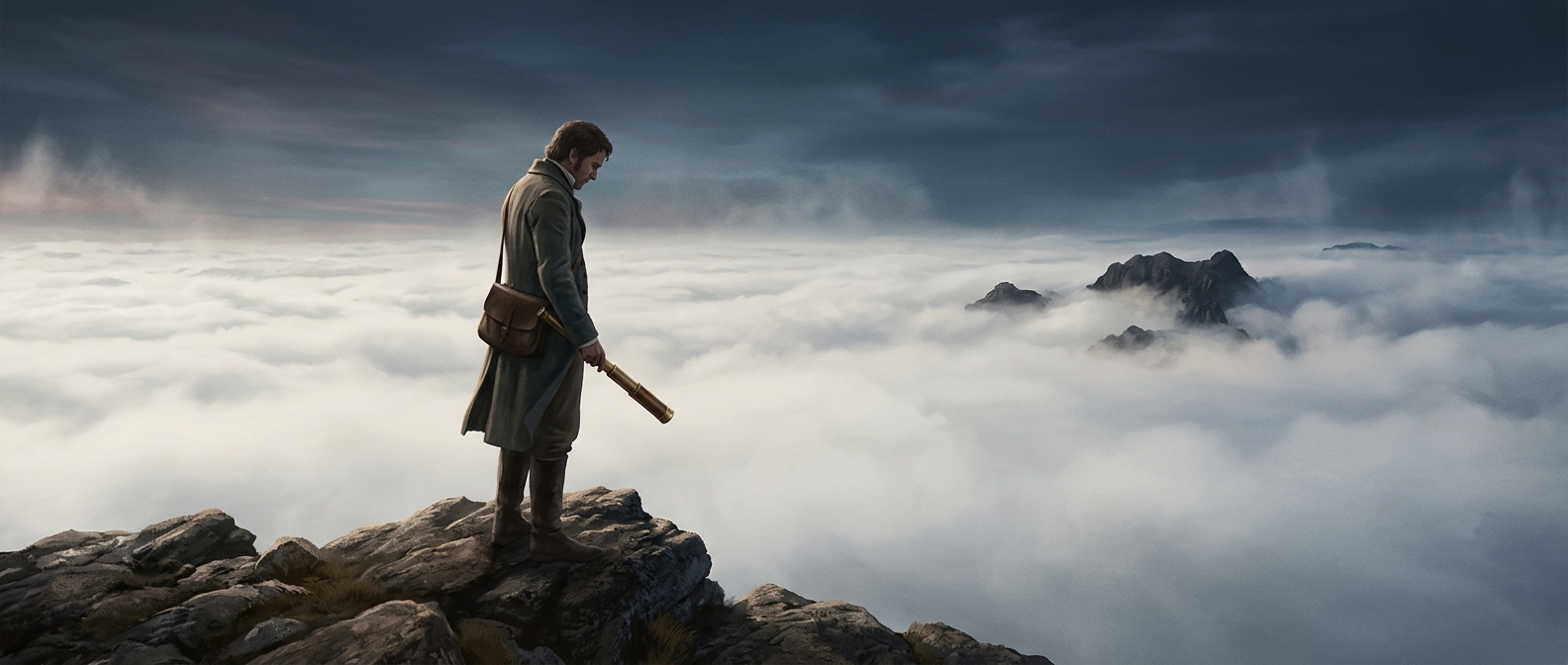
A mountain can be high enough to feel like a natural lookout and still offer no useful view. In 1824, explorers Hamilton Hume and William Hovell climbed this peak while travelling through what is now Victoria. They hoped the summit would help them see Port Phillip Bay, the destination they were trying to locate. Instead, trees crowded the top and blocked the sightline.
That small practical failure gave the mountain its memorable name: Mount Disappointment. The name describes what the climbers could see from the summit, not a lack of stature or importance in the landscape.
Why height was not enough
A viewpoint works only when the ground and vegetation leave a clear line between the observer and the horizon. From a wooded summit, trunks and canopy can conceal distant landmarks even when the land beyond is open. Hume and Hovell had gained elevation, but not the unobstructed panorama they needed to orient themselves.
For explorers moving across unfamiliar country, a clear view could help make sense of the terrain and judge direction. A climb that produced no such information was more than an anticlimax: it was a missed chance to read the landscape from above.
A name that kept the moment
Mount Disappointment preserves that brief episode of frustration. The explorers’ intended view never materialized, but the failed lookout became the detail later generations remembered. The name is a reminder that a mountain’s most famous feature may be not its height or scenery, but the moment its summit failed to deliver what someone came to see.