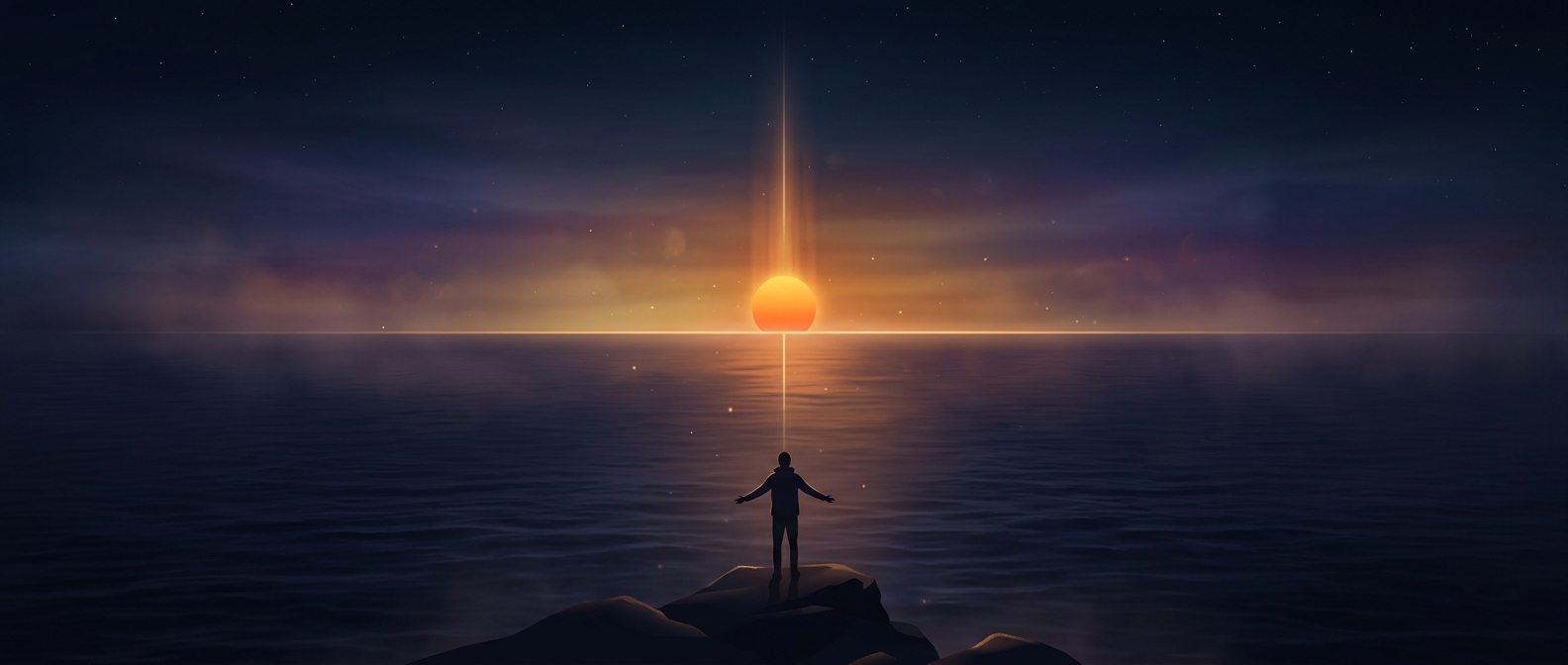
Why the Sun Drops So Quickly at the Equator
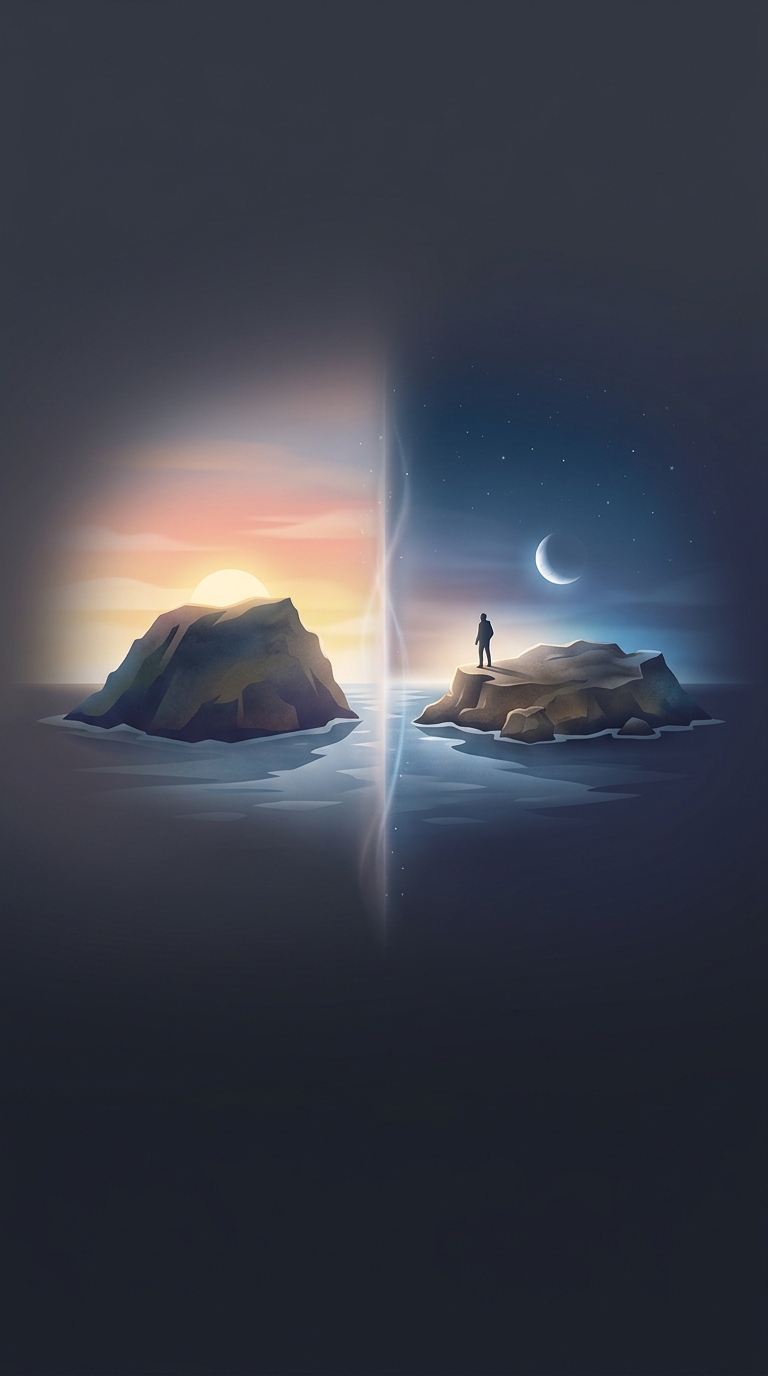
The effect comes down to the angle at which the Sun meets the horizon. Near the equator, it usually travels across the sky on a steep path. At sunset, it therefore crosses the horizon relatively directly, rather than sliding along it.
That steep crossing also shortens twilight—the period when the Sun is below the horizon but its light still brightens the sky. As the Sun sinks, its rays stop reaching the ground quickly, and the sky darkens soon afterward.
Why Higher Latitudes Get Longer Twilights
Farther from the equator, the Sun’s path meets the horizon at a shallower angle. It can take longer to descend below the horizon, so its lingering light stretches twilight. Near the poles in some seasons, the Sun may skim the horizon for an especially long time.
The equator does not produce an identical sunset every day: the Sun’s path shifts slightly through the year. But compared with places where it approaches the horizon at a shallow angle, the descent remains steep.
A Practical Difference After Sundown
In equatorial regions, the change from daylight to darkness can feel abrupt. A beach or street may go from golden light to dimness in a short stretch, leaving less of the lingering, usable evening light familiar to many travelers from higher latitudes.