A reef trip inside a pressure hull
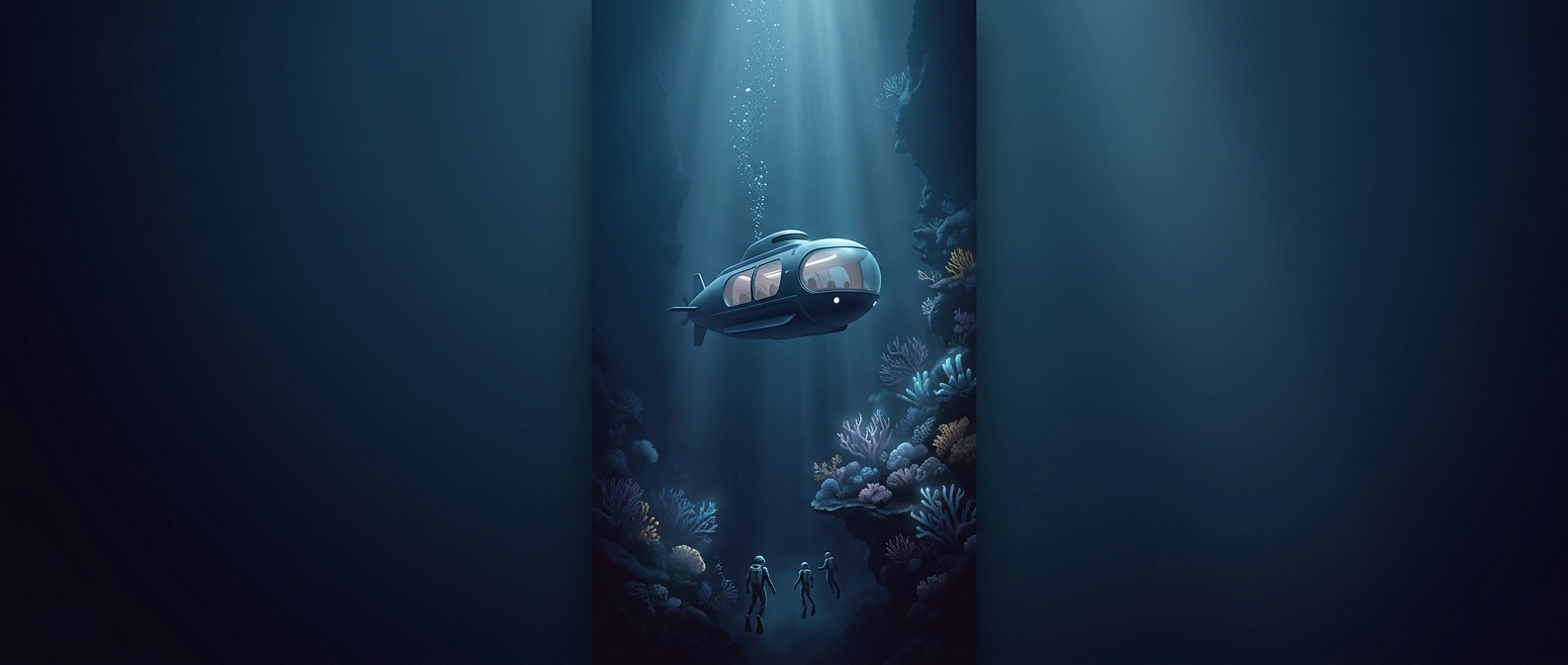
A tourist submarine turns an underwater visit into a cabin experience. Its passengers stay dry and breathe ordinary cabin air while the vessel carries them below the surface. That changes the main challenge from managing a diver’s air supply to building a craft that can keep the surrounding water out.
At depth, water presses on every part of the hull. The cabin must be strong enough to withstand that pressure, while its viewing windows must be both transparent and securely supported. Those windows are not simply panes of ordinary glass: they are part of the pressure boundary, where strength and a clear view have to be designed together.
Why the descent can be controlled
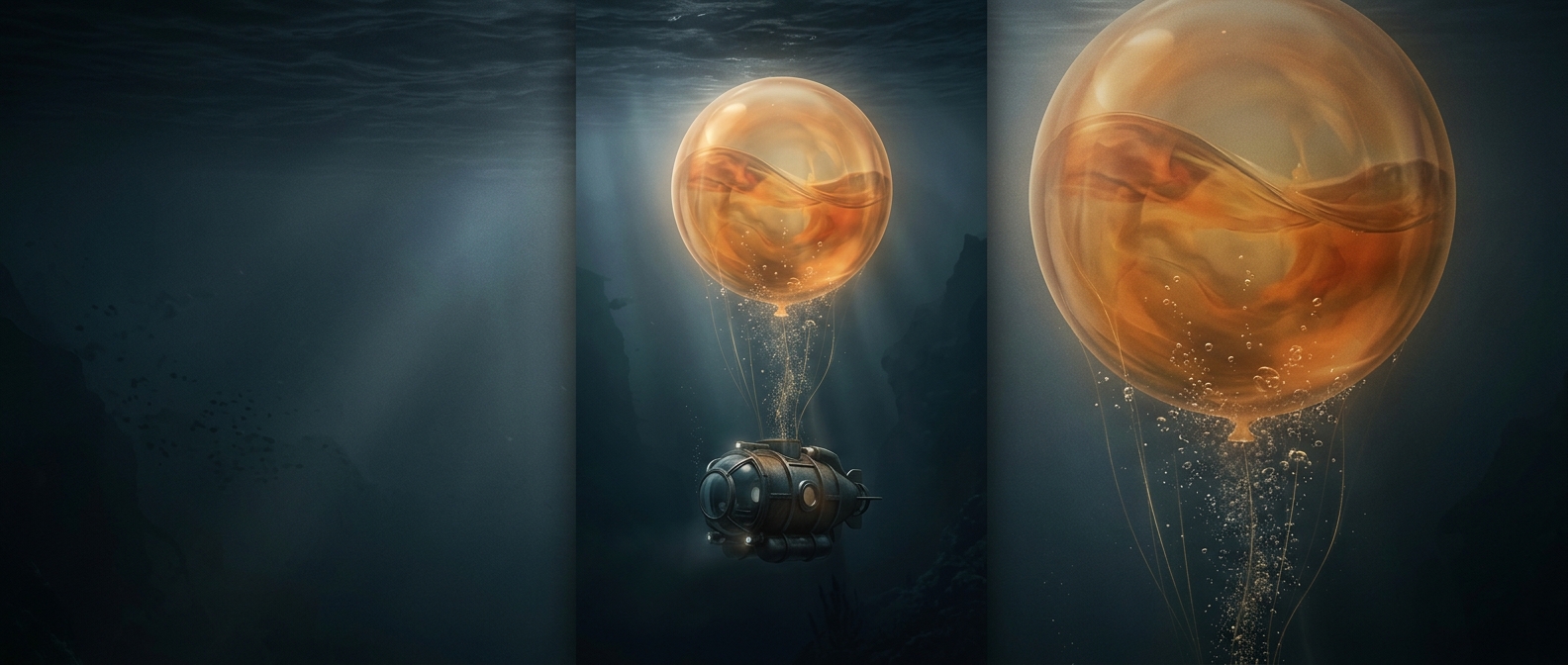
Ballast tanks help the craft adjust its buoyancy—whether it tends to float or sink. Letting water into the tanks makes the submarine heavier relative to the water it displaces, so it descends. Compressed air pushes water back out when the craft needs to rise. The pilot can use these changes to manage the vessel’s position rather than relying on passengers to swim or dive.
That control matters near a reef, where the goal is to view the underwater landscape without treating the submarine like a fast-moving boat. The craft must balance a stable, predictable ride with the ability to maneuver through the route available to it. Its size, depth limits, and viewing layout shape what passengers can see.
The view has an engineering cost
A broad window can make the reef feel close, but every opening in a pressure hull creates a demanding structural problem. A submarine’s designers therefore have to reconcile two competing needs: a hull that safely resists pressure and windows positioned to make the journey worthwhile. The result is a form of underwater transport in which the cabin itself—not scuba equipment—is the technology that brings the reef within reach.