Why a Reefer Needs More Than Cold Air
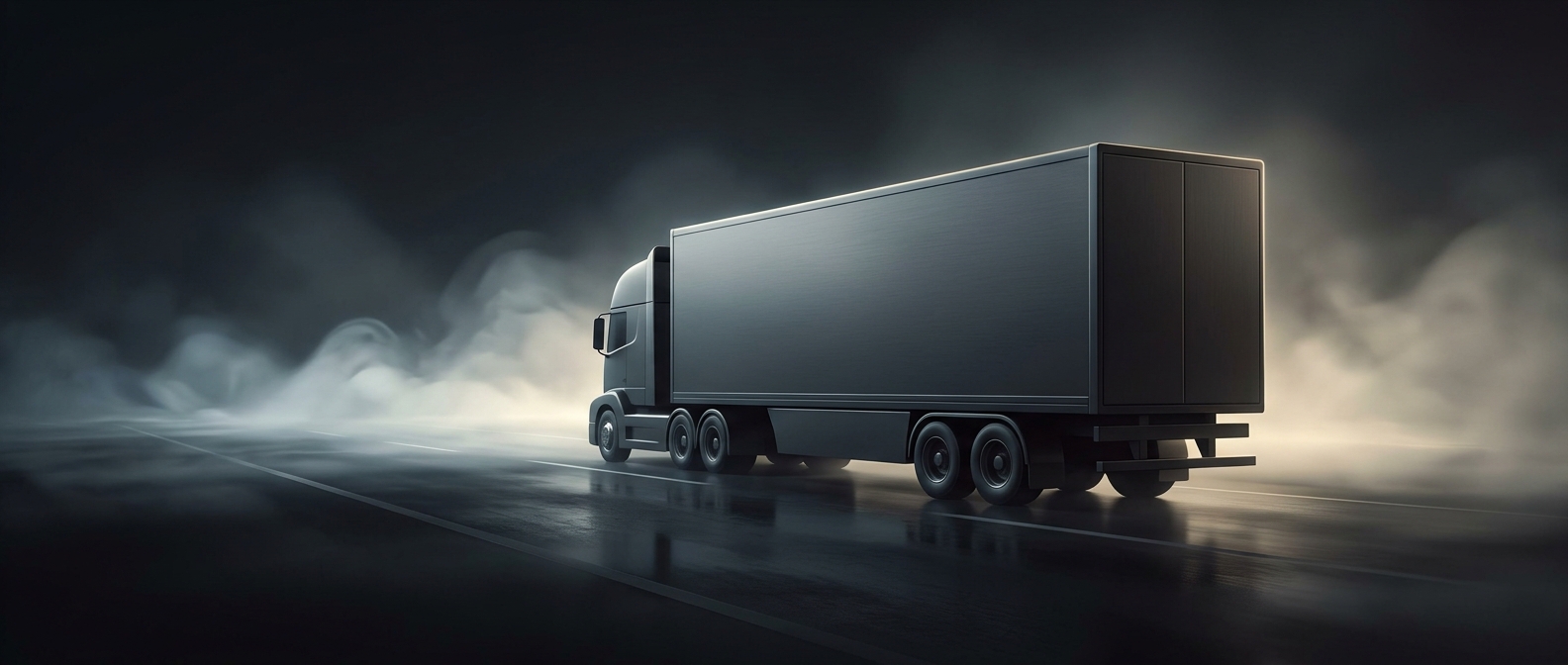
A refrigerated trailer, often called a reefer, is built to slow warming, not to make every load cold from scratch. Its insulated walls resist heat entering from the sun and hot pavement, while the refrigeration unit removes heat from the air inside. Fans move that cooled air through the cargo space so warm pockets are less likely to form.
That distinction shapes how the trailer is used: goods are generally loaded already chilled or frozen. The unit’s job during the trip is to hold the cargo near its required temperature as outside conditions change and heat seeps in.
Airflow Is Part of the Temperature Control
Cold air cannot protect a tightly packed load if it has nowhere to travel. Stacking and spacing therefore matter: blocked vents or cargo pressed against the walls can interrupt circulation, leaving some areas warmer than others even while the refrigeration system is running.
The trailer also has to keep its doors shut as much as practical. Each opening lets warmer, often more humid air enter, adding heat for the unit to remove. Loading quickly and keeping the cargo arranged for airflow help the system maintain a more even environment.
A Moving Cold Chain
The refrigeration unit works alongside the trailer’s insulation; it does not eliminate the effects of poor loading, long door openings, or a breakdown. Temperature control is a chain of small protections, from pre-chilling the product to circulating air during the haul.
That is why a reefer is not simply a box set to “cold.” Its performance depends on matching the temperature setting to the cargo and giving cooled air a clear route through it—so the load stays protected, not just the space around it.