How a blacklist turned screenwriting credit into a disguise
After Dalton Trumbo and other members of the Hollywood Ten refused to answer questions about their political beliefs before Congress, they were convicted of contempt and shut out of major studio work. The blacklist was not simply a ban on putting certain names on screen: studios could also refuse to hire or publicly credit people suspected of communist ties.
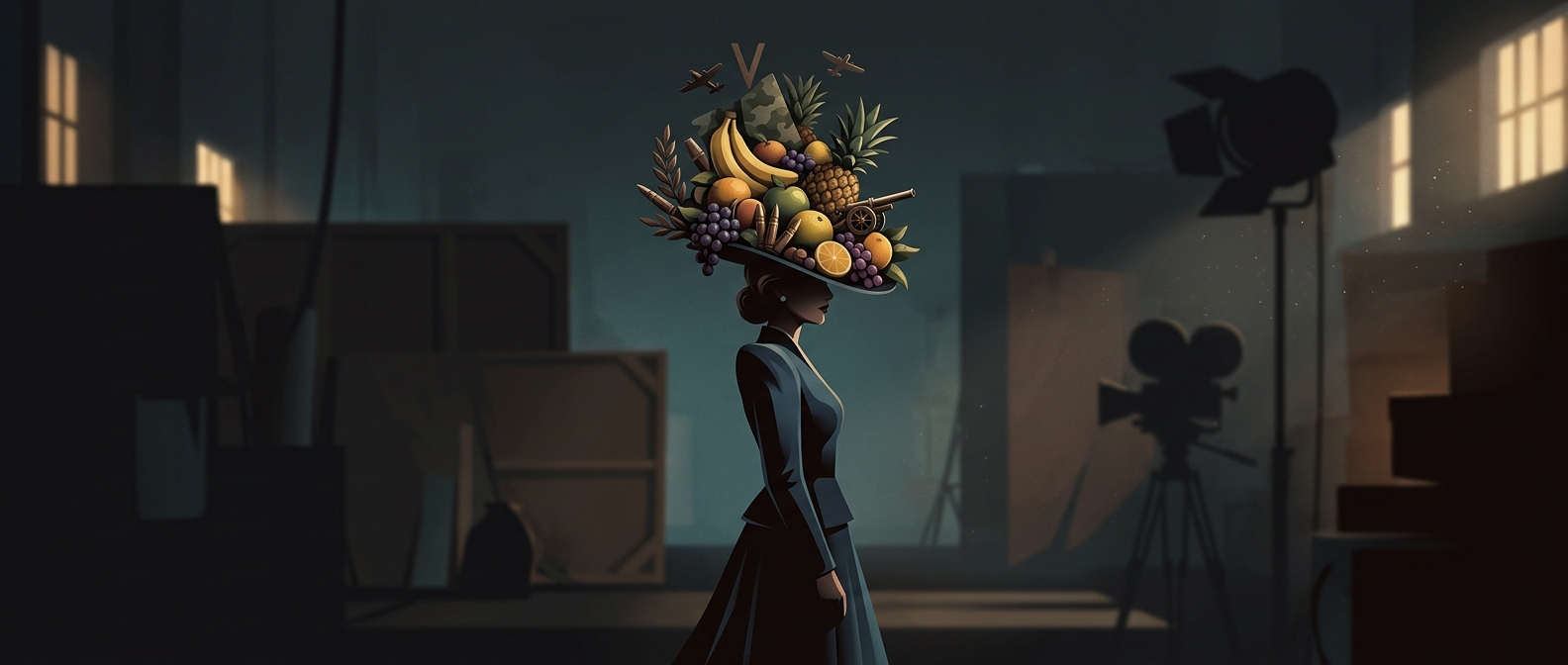
Trumbo kept writing, but a screenplay had to travel through someone the studios would accept. Sometimes another writer acted as a front—a real person who submitted Trumbo’s work under their own name and received the official credit. In other cases, Trumbo used a pseudonym, a made-up name that hid who had written the script. The arrangement let films get made while concealing the writer’s identity, though it could leave Trumbo without public recognition or direct control over the credit.
Two Oscars, two different hidden identities
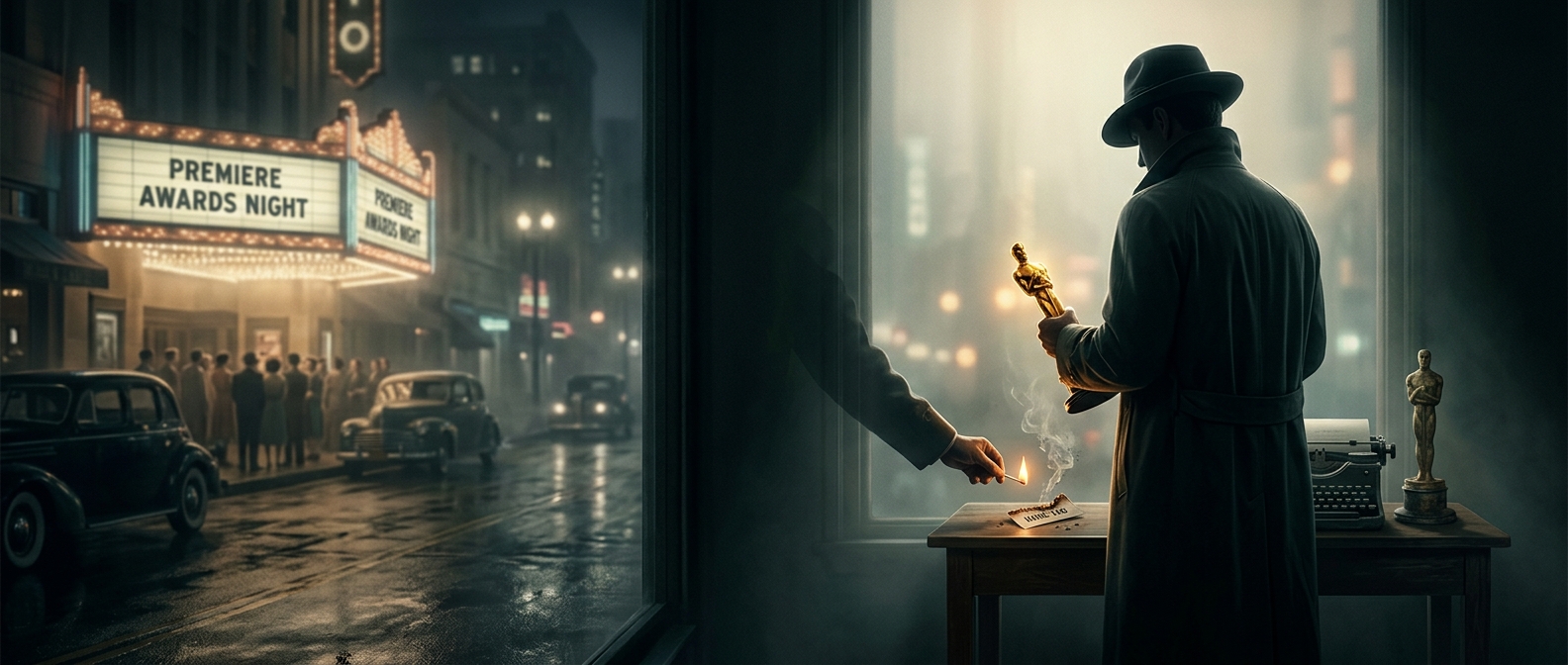
For Roman Holiday, Trumbo’s screenplay was credited to his friend Ian McLellan Hunter, who served as a front. Hunter received the Academy Award for writing in 1954. Trumbo’s authorship was recognized later, and the Academy reassigned the award to him in 1993.
For The Brave One, the screenplay was submitted under the pseudonym Robert Rich. When that name won the writing Oscar in 1957, the person behind it was not publicly known. Trumbo later revealed that he had written the film, and the Academy formally recognized him as its author.
The disguises protected a career, but they also created a peculiar record: Trumbo could win Hollywood’s highest writing honor while, to the public, the winning writer was someone else—or no identifiable writer at all.