Why Tamagotchi funerals became a real response
A Tamagotchi was a pocket-sized digital pet, but its simple screen could create a surprisingly persistent sense of responsibility. The creature needed regular feeding and attention; neglect could make it sick or cause it to die. Because the toy was designed to be checked throughout the day, its owner could feel that a death had happened through their own failure—not merely because a game had ended.
A toy’s ending called for a ritual
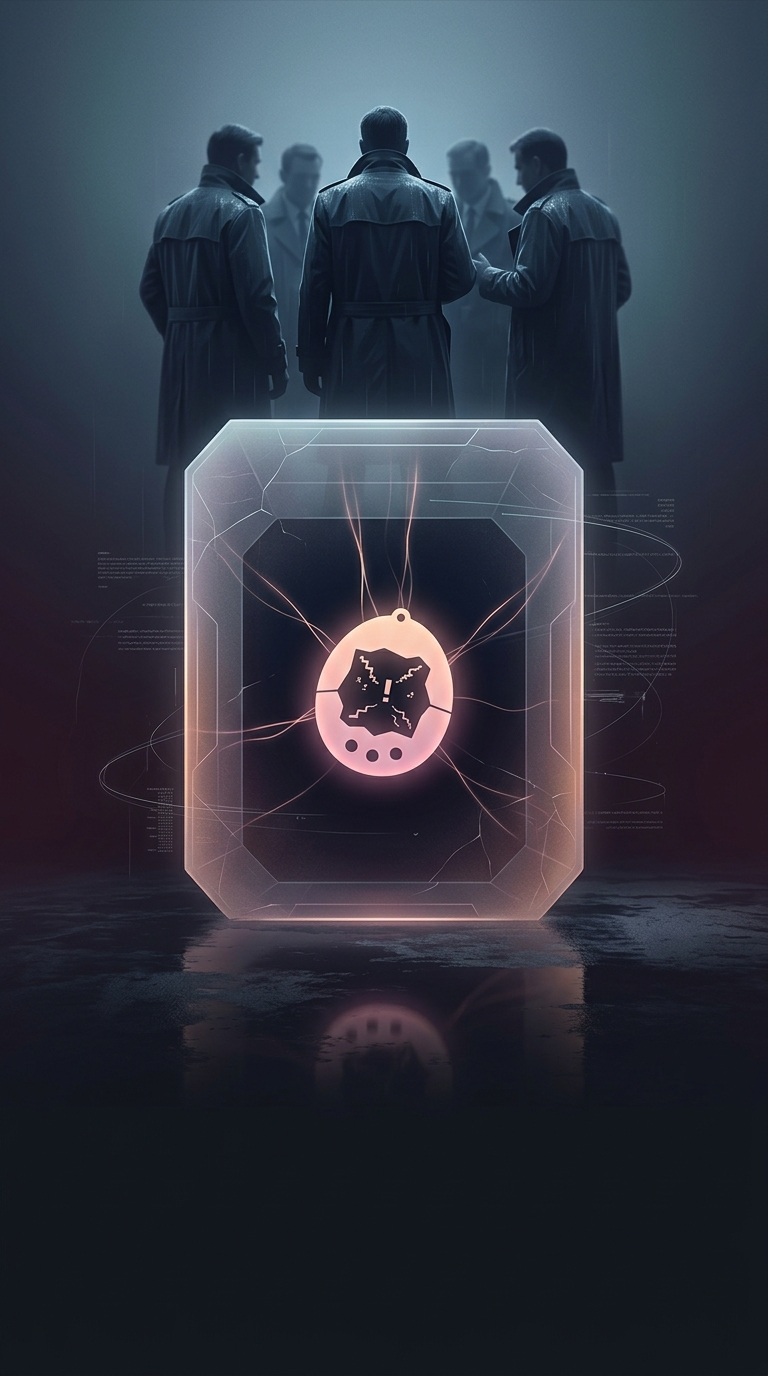
For some owners, the loss felt important enough to mark with a funeral. In Japan, temples reportedly offered ceremonies for dead Tamagotchis, treating the tiny electronic pets with a form of respect usually associated with living beings. The response was unusual, but it made emotional sense: a funeral gives people a way to acknowledge attachment and say goodbye, even when the object of that attachment is digital.
The ceremonies also revealed a key design effect. Tamagotchi did not ask players only to win or reach a score; it asked them to keep caring for something that seemed dependent on them. That routine turned a small game into a relationship—and made its ending feel personal.