Why a Costly Early Weapon Can Fall Behind
In many role-playing games, a weapon’s value is temporary by design. An expensive purchase may give a character a useful jump in damage at a point when money is scarce, but it is balanced for that part of the adventure—not necessarily for the whole game. As enemies get tougher and the player’s character improves, a later weapon can have better base damage or bonuses that better match the new challenges.
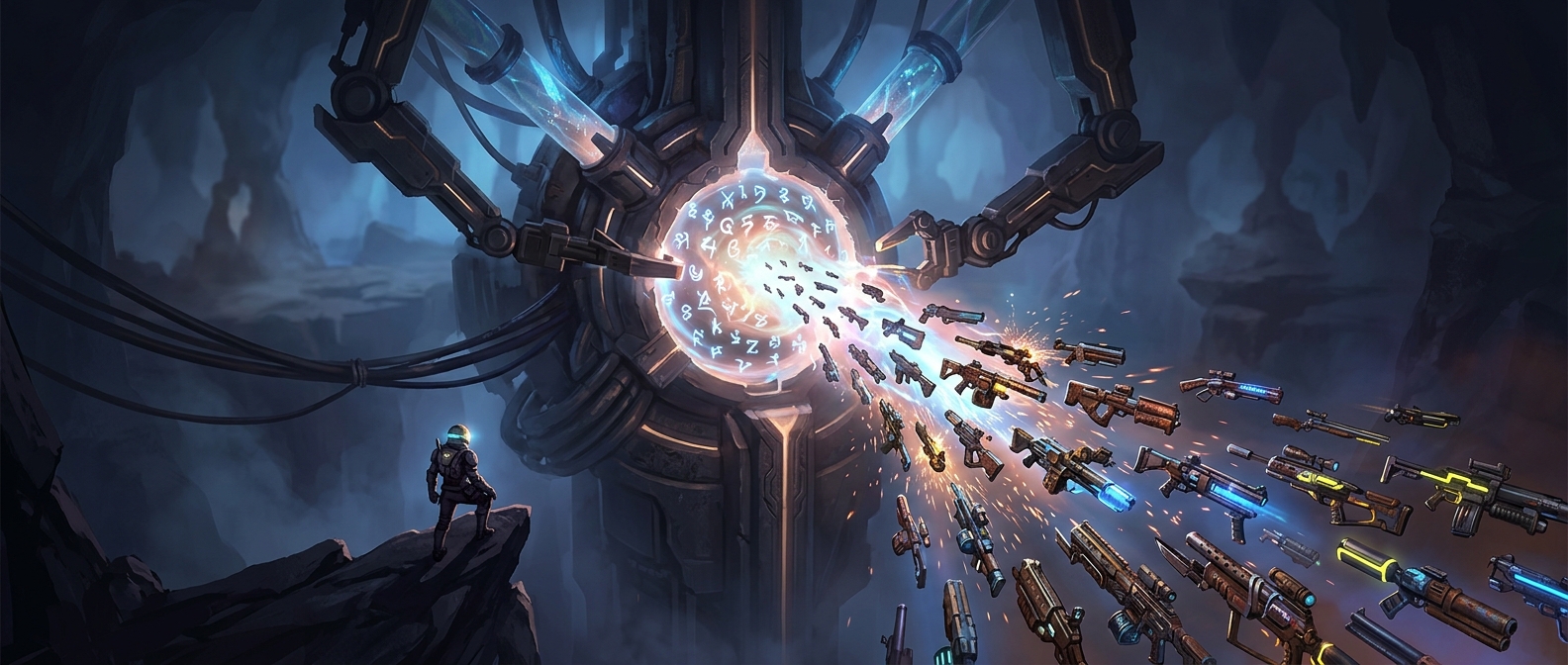
That is why a rusty blade from a basic enemy can beat a finely made weapon bought only minutes earlier. The enemy’s weapon may be tied to a later area or stage of progression, while the shop item was meant to help the player reach it. “Rusty” describes its appearance, not necessarily its statistics.
The Upgrade Is Also a Nudge
Frequent weapon replacement gives loot a purpose. If every purchase stayed best for dozens of hours, enemy drops and shops would matter less. Short-lived upgrades encourage players to compare gear, explore, and decide whether to spend now or save for something better. A weapon that soon becomes obsolete can still have been worthwhile if it made a difficult stretch manageable.
Games use different systems: some make an item’s strength depend on the character’s level, while others set fixed stats for each weapon. Either way, the design can create abrupt comparisons, especially when an early purchase is costly and its replacement arrives as ordinary loot. Price signals usefulness at the moment of purchase, not a guarantee of lasting superiority.
The practical lesson is to judge a weapon by its current damage and useful bonuses—not its price, name, or polished appearance. Sometimes the upgrade that carries you forward is the one you picked up from the enemy you just defeated.