A music license can reach millions of clips at once
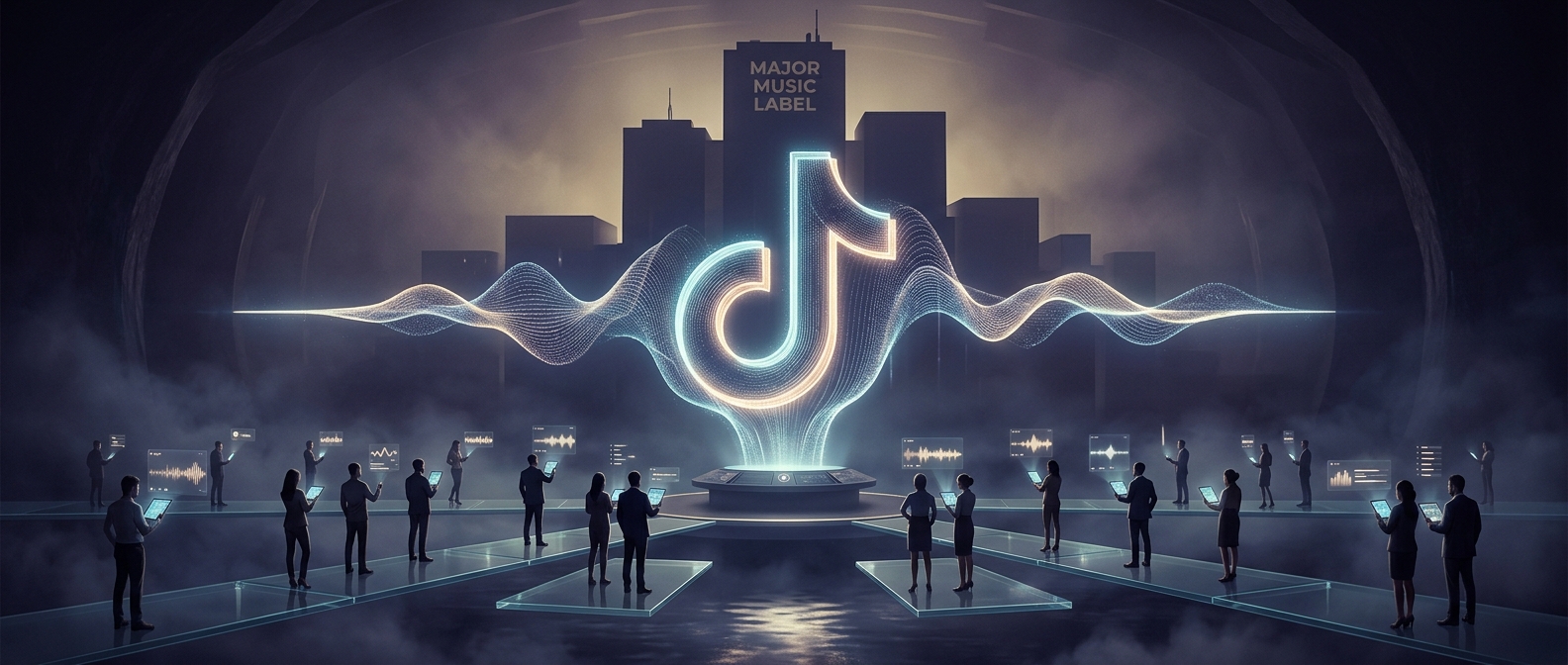
When someone adds a popular song through TikTok’s music library, the app is not simply letting them upload any audio they like. TikTok needs permission to make that recording available for use in videos. Rights to the recording and to the underlying song can be licensed separately, so platform deals cover more than one kind of permission.
Universal Music Group’s licensing agreement with TikTok expired after the companies failed to reach a new one in early 2024. Once the agreement lapsed, TikTok could no longer offer UMG’s covered recordings for new videos. It also began muting existing videos that used affected tracks. The videos themselves generally remained; it was their soundtrack that disappeared.
Why creators felt the loss so quickly
A song on TikTok can become a reusable template: people build dances, jokes, edits, and trends around the same short passage. When a track vanishes from the sound library, creators can no longer select it for new posts, and older posts may lose the audio that made the format recognizable. Replacing the song is not always a simple fix, since timing, lyrics, and the track’s cultural associations may be central to the video.
The dispute was a business negotiation over the terms of that access, not a decision to censor individual videos. TikTok still had music from other rights holders, but the missing UMG catalog included recordings by artists such as Taylor Swift, Drake, and Billie Eilish. The episode showed how a platform-wide license can act like a switch: one failed negotiation can change the sound of countless videos at once.