How a cancellation fee can exceed a fare
A train ticket’s price and its cancellation penalty are not always linked. Discounted fares may be sold with strict refund conditions: the low price rewards passengers willing to commit, while canceling can trigger a fixed fee or leave only part of the fare refundable. If the ticket itself was unusually cheap, that penalty can be larger than the amount paid.
The practical question is not simply, “Do I need this trip?” It is, “How much money would canceling actually return?” If the refund after fees is zero, keeping the ticket may cost no more than canceling it. Taking the trip can then feel like the better value, even if the traveler’s plans have changed.
Why the railway may prefer an empty seat to a refund
Once a ticket has been sold, the operator may keep some or all of its price whether the passenger boards or not. A cancellation policy also gives the railway a predictable way to handle discounted tickets without promising the same flexibility as a higher-priced fare. The tradeoff is that a strict penalty can make passengers less likely to cancel early, when the seat might still be resold.
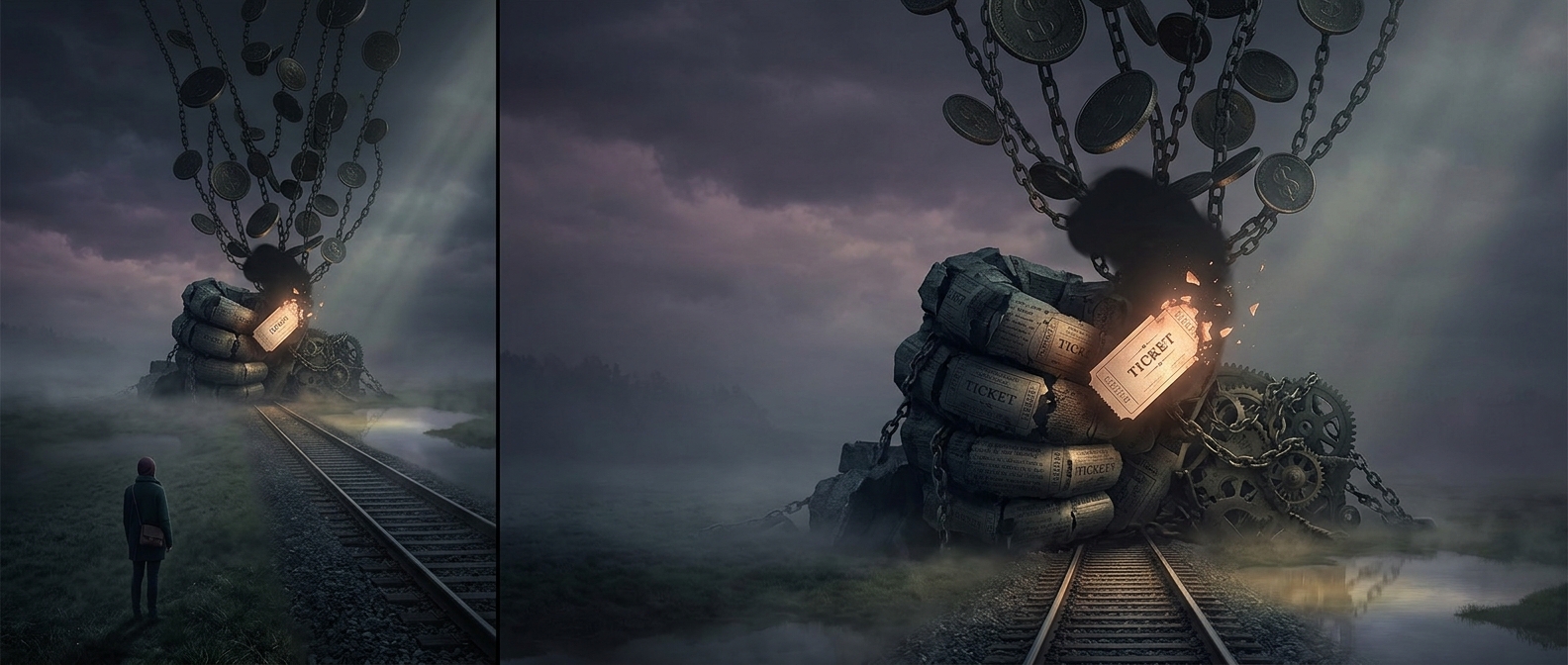
That is the irony behind the situation: the fare has made the journey cheap, but the rules have made abandoning it feel wasteful. The passenger may board not because the trip is still useful, but because the money is already spent and canceling would recover even less.