What the Concrete Does
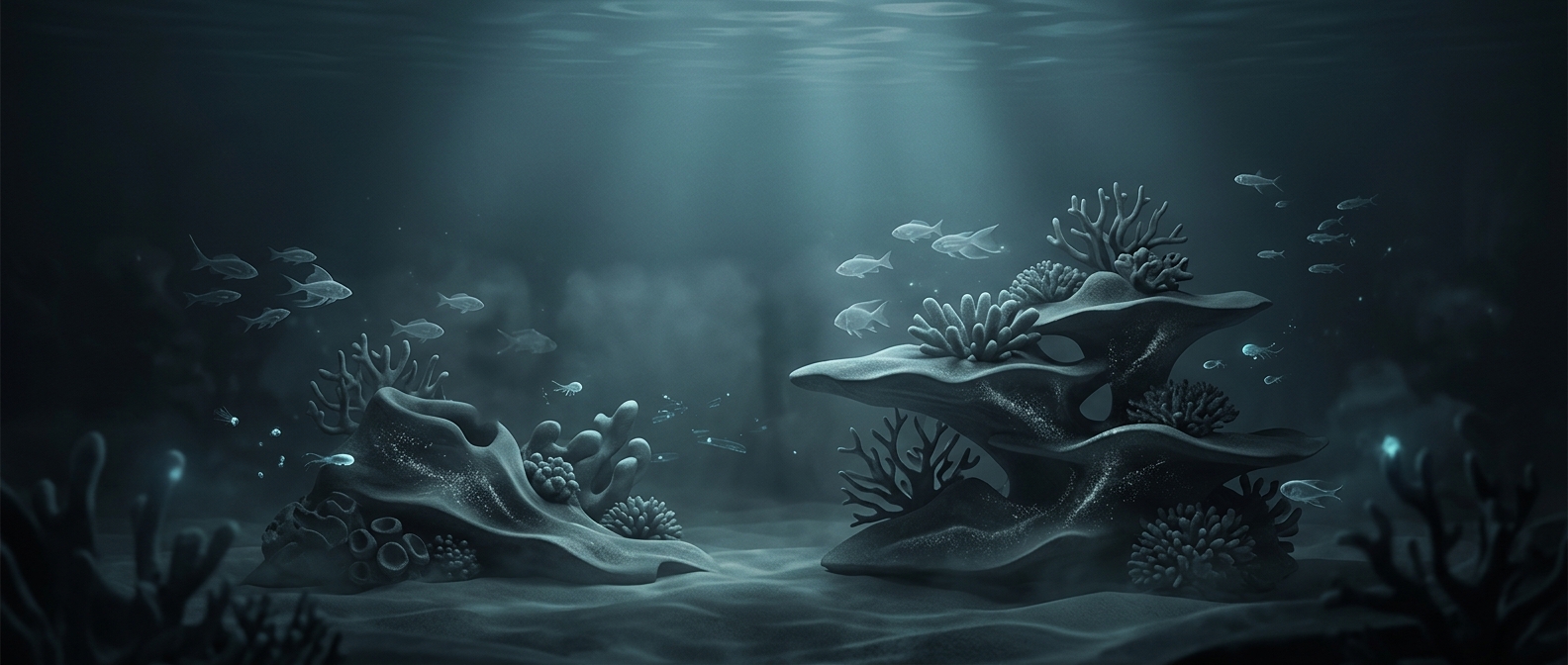
Cremated remains do not turn into coral or build a reef on their own. They are incorporated into a concrete mixture used to form a heavy, durable structure, often shaped with openings and rough surfaces. Once placed underwater, the structure gives organisms places to settle and shelter—something a bare, sandy seabed may offer less of.
The ashes are a small part of a much larger object. The concrete provides the structure’s strength and shape; the marine habitat comes from how that structure meets the seabed and surrounding water. Over time, algae and other organisms can grow on its surfaces, attracting animals that feed or hide there.
A Memorial With Practical Constraints
The idea links a family’s memorial choice to a working marine structure, but the two purposes have to fit together. A reef ball must be stable enough to remain in place and designed for its intended underwater setting. Its location and placement also depend on local conditions and permissions; a memorial cannot simply be dropped anywhere and assumed to help.
That makes the service more than a different container for ashes. Families pay for a memorial that becomes part of a larger habitat project, while the structure must still function as an underwater object. The lasting memorial is not the ashes visible on the seabed, but the reef-like form they helped make possible—and the life that may gradually use it.